Capermint
Skip to main content

Capermint

Hyper Casual Game Development Company

From a playable prototype to a launch-ready mobile game.

Capermint develops hyper-casual games for studios, publishers and product teams: core-loop prototypes, game design, art, iOS and Android development, QA and launch support. Start with a focused playable or bring an existing game for production support. Building for US or Canadian players? Share your audience, target devices and launch goal.

expert-uno
Over 200 Specialists
Client Satisfaction
certified-dev
NDA Signed
customizable-uno
Proactive Approach

Hyper-casual development for studios and publishers

Turn a one-touch game idea into something your team can actually play, review and test. Capermint can support a focused prototype, a complete iOS and Android build, or an existing production team.

Prototype scope: agree the core mechanic, controls, representative levels and device targets before adding a large content library. Review game feel and player feedback before committing to full production.

Production scope: game design, art, level progression, development, QA and store submission support. Monetization, analytics and post-launch updates are scoped around the product rather than assumed to be included.

Need puzzle progression or a deeper retention layer? Explore our puzzle game development and mobile game development services, or send a hyper-casual project brief.

expert_casual

Hyper Casual Game Development Services

Our hyper-casual game development services cover the work needed to turn a simple mechanic into a mobile product. Choose a prototype engagement to test the idea, full production for an agreed release scope, or a team extension for a specific art, engineering or QA gap. Confirm deliverables and acceptance criteria before development begins.

casual-icon

Full-cycle game production

Connect design, art, development, QA and release support around an agreed scope. Define milestones, review builds and acceptance criteria before production starts.

game-concep

Concept and core-loop design

Define the player action, session flow, fail and win states, difficulty and feedback. Turn reference games and audience goals into a practical design brief.

hyper-casual-game

Game art and interface design

Create readable 2D or 3D assets, UI, animation and effects that support the mechanic. Agree asset counts, style references and revision limits.

game-prototyping

Playable game prototyping

Build a focused version of the mechanic with representative levels. Review touch controls, game feel and device performance before funding a larger build.

testing-quality

Mobile QA and release checks

Test the agreed device range, gameplay states, interruptions, ads and purchases where included. Track defects and check fixes against release acceptance criteria.

Regular

Updates and production support

Plan fixes, content updates and SDK maintenance for an existing game. Agree the support period, response expectations and what is included after launch.

Have a mechanic in mind? Define the first playable.

Send a short brief with your core mechanic, reference games, iOS or Android targets, existing assets and launch goal. Include whether you need a prototype, a complete game or help with an existing build. We can then discuss the development scope, milestones and budget assumptions.

casual_game_our

Types of Hyper Casual Gameplay Mechanics

Rise/Fall

Control objects that rise and fall with simple taps. Master the timing to navigate through obstacles.

Tap/Timing

Tap at the perfect moment to succeed. Balance precision and timing to achieve your goals.

Dexterity

Challenge your coordination and reflexes with fast-paced actions. Quick, precise movements are key.

Merging

Combine items to create new, upgraded objects. Unlock features and advance through levels.

Stacking

Build structures by stacking objects carefully. Balance stability and height to reach new levels.

Turning

Rotate objects to solve puzzles or navigate paths. Adapt to dynamic challenges with precise turns.

Growing

Manage objects as they grow. Adjust your strategy based on their changing size and function.

Swerving

Steers objects to avoid obstacles or navigate tight spaces. Agile movements are essential.

Idle Mechanics

Progress and earn rewards even when you’re not playing. Keep your game advancing while you’re away.

Resizing

Adjust object sizes to fit them into spaces or solve puzzles. Add strategy with resizing challenges.

Pushing

Move objects to clear paths or solve problems. Use strategic pushing to overcome obstacles.

Puzzle

Solve puzzles that test your logic and creativity. Enjoy satisfying problem-solving experiences.

chart-topping
Test the core loop before scaling production

A playable prototype answers a different question from a finished game: do the controls, feedback and short-session loop feel worth repeating? Agree what to test, which devices to cover and what will count as a useful result. A successful build is not a guarantee of low acquisition cost, retention or revenue.

Before a market test, confirm who supplies test players, advertising spend and campaign management. Review engagement and acquisition evidence before expanding the level library or adding a deeper progression system.

Creating Fun and Unique Games

We design gameplay mechanics around short sessions, clear goals and a reason to play another round. Our team works hard to create simple, fun, and engaging games that stand out in the crowded market of hyper-casual games.

Games Built for Maximum Enjoyment

We focus on what players love. Our games are designed to be easy to pick up, with short sessions and quick feedback for the intended audience. We use feedback and data to continually improve our games.

Hyper Casual Game for Various Platforms

For hyper-casual mobile projects, define iOS and Android device targets first. Other formats, including web, PC, console or immersive experiences, need their own control, performance and release scope. Confirm the required platforms before estimating; one build is not automatically a release-ready product for every platform.

hyper_mobile
Mobile
hyper_PC
PC
hyper_console
Console
hyper_ar_vr
AR/VR
various_game

Why Choose for Hyper Casual Game Development?

hyper-icon
Hyper casual games offer streamlined development and production. 
hyper-icon
They are budget-friendly and cost-effective. 
hyper-icon
Free-to-play models attract a larger player base.
hyper-icon
These games possess mass-market appeal.
hyper-icon
Test a focused playable before funding full production.
hyper-icon
Enhanced situational awareness for players. 
hyper-icon
Refined hand-eye coordination for players. 
hyper-icon
Boost social interaction skills.

Relevant casual game projects

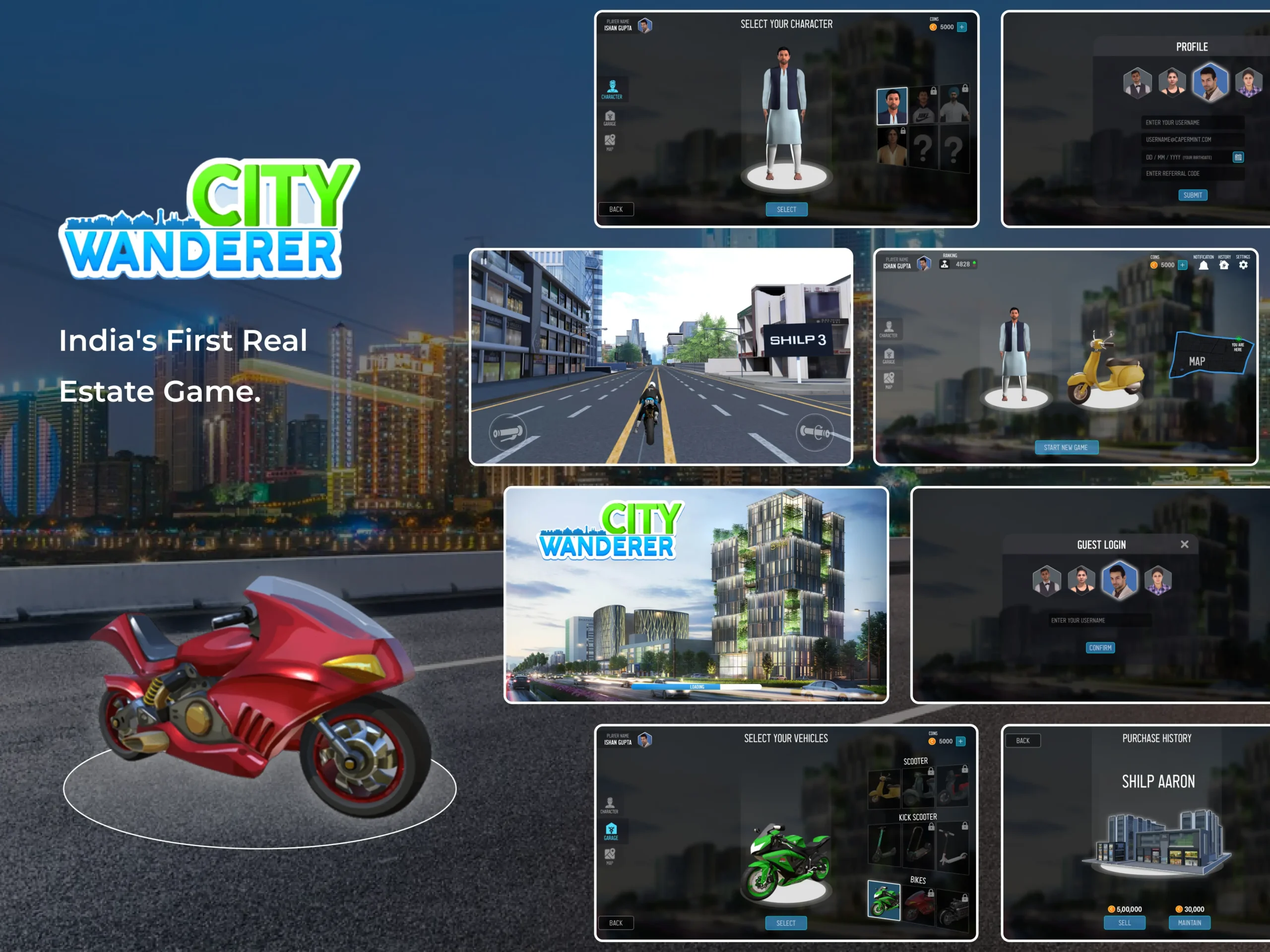
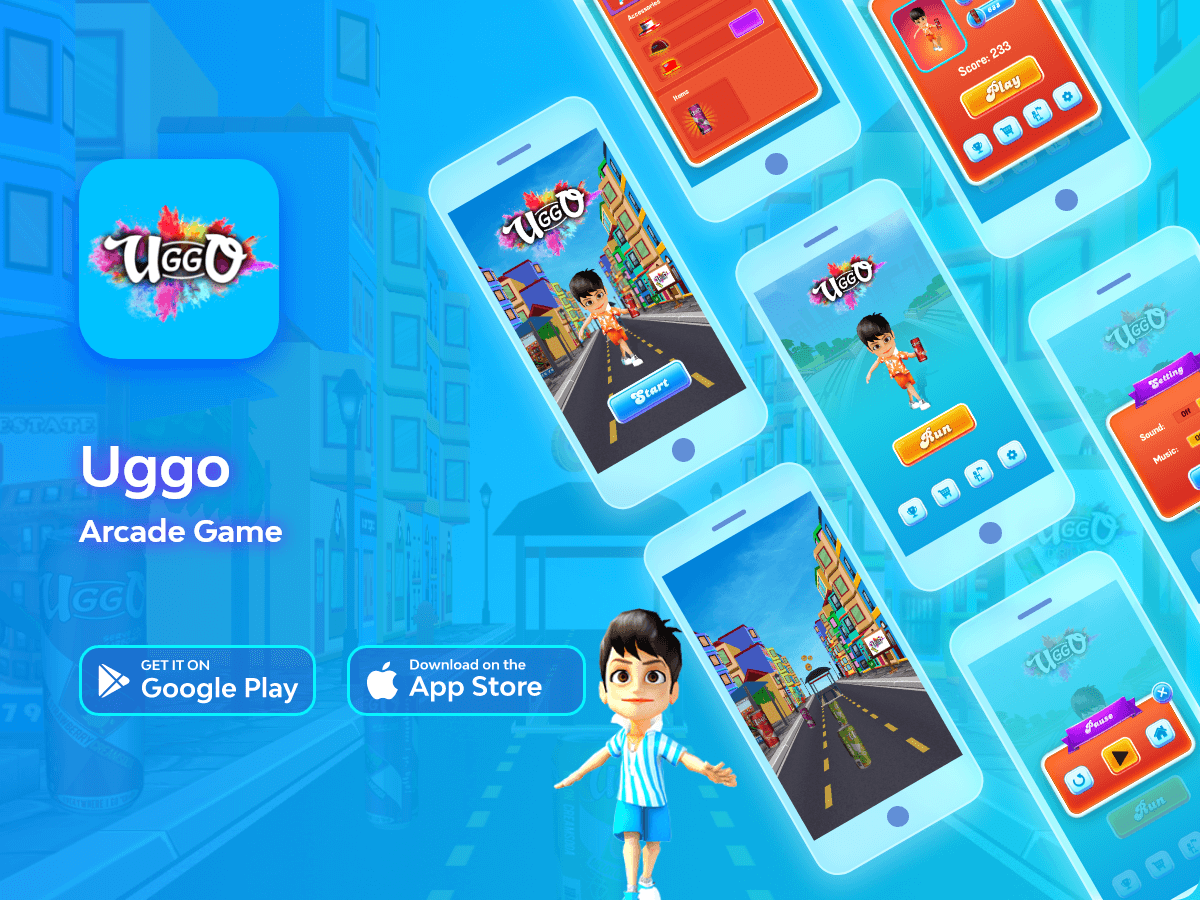
Review specific examples from the Capermint portfolio rather than a promise of chart success. These projects demonstrate different casual-game formats; they are not all pure hyper-casual games.

Drop Master: a block-sliding puzzle built around horizontal moves, line clears and visual feedback. View the iPhone App Store listing.

Runner Runner: an endless-running game with obstacle reading, character identity and power-up decisions. Its case study links to the Android and iOS product listings.

Have a similar mechanic or a different game idea? Request a project scope and identify the specific prototype or production work you need.

Technology Stack

The engine, art pipeline and integrations should fit the game and target devices. Discuss Unity-based mobile development, 2D or 3D assets, level tooling and source-project handover during scoping. Existing projects need a code and asset review before a migration or production estimate.

If monetization or analytics is included, agree the ad formats, SDKs, events and dashboard access. QA should cover reward delivery, interrupted ads, purchases where applicable, device performance and store privacy requirements. Development scope, third-party accounts and service fees should be listed separately in the proposal.

Design tools
adobe
Aiadobe
Zbrush
procreate
Daz3D
Development tools
casual-hyper

Scope, budget and engagement questions

How much does hyper-casual game development cost? A hyper-casual MVP typically costs $10K–$40K, a mid-scope hybrid-casual game $40K–$120K and a large custom casual game $120K+ (USD); prototype and full-production costs are quoted separately after a scoping call. Where a project falls depends on the prototype depth, number of levels, art and animation, target devices, integrations and release support. A single-mechanic prototype and a production game with ads, analytics and progression are different scopes.

For a comparable proposal, ask for milestones, deliverables, acceptance checks, revision limits, source-code and asset rights, SDK costs and post-launch support terms. Share your target market and budget range so the first scope fits the project you can fund.

skilled Innovative Game Design

We design hyper-casual games around one clear mechanic, readable visuals and fast feedback. Your reference games and target audience shape the concept, which is then reviewed in a playable build.

cost-effecive Seamless Development Process

Our comprehensive approach covers every stage, from initial concept through to launch and beyond. We manage the entire process to make development smooth and efficient, saving you time and effort.

guaranteed Next-Gen Technology

We build with tools suited to the game, such as Unity for iOS and Android, and test visuals, frame rate and load times on the agreed target devices.

Dev-ops Custom-Tailored Strategies

We prioritize your vision and objectives, offering tailored solutions that meet your specific needs. The proposal ties each milestone and deliverable to the goals you set for the game.

Source code, assets and account access

Agree source-project delivery, asset rights, documentation and third-party licences in the contract. Identify who owns the store, advertising and analytics accounts, and how the team will transfer access at handover. For an existing game, confirm that the supplied code and assets can be used before development begins.

Hyper casual Game Development Process

We follow a staged process, with review builds and acceptance checks at each milestone:

conceptualization

Idea Generation

We start by brainstorming together to understand your vision. We discuss game mechanics, themes, and ways to earn money. This helps us build a strong plan for your game.

lins
Design-plan

Conceptualization

We turn your ideas into a clear plan. This includes refining gameplay, designing easy-to-use interfaces, and creating visuals that match your concept.

Verticals
lins

Plan & Strategize

We make a detailed plan with timelines and task assignments. We also set up quality checks to keep the development process smooth.

lins
testing

Game Development

Build the agreed mechanic, assets and levels in reviewable milestones. Track issues and test the game against the target devices and release acceptance criteria.

lins
deployment

Iterations

We make ongoing improvements based on player feedback and game performance. Our goal is to keep your game fresh and successful over time.

lins
optimizetion

Launch

Prepare store builds and submission materials for the agreed platforms. Confirm who owns the developer accounts, manages marketing and handles post-launch support.

vertical

FAQS

Explore the frequently asked questions about our Hyper Casual Game Development Service at Capermint Technologies.

What is hyper-casual game development?

Hyper-casual game development focuses on creating simple, easy-to-play games that attract a wide audience. These games typically have straightforward mechanics and minimalistic design, making them accessible and addictive.

How is hyper-casual different from hybrid-casual development?

Hyper-casual games centre on a simple, quickly understood mechanic and short sessions. Hybrid-casual development adds deeper progression, content or economy systems around an approachable core. That extra scope affects design, engineering, monetization and testing, so decide which model you need before estimating the project.

How long does it take to develop a hyper-casual game?

A hyper-casual MVP typically takes about 60–90 days, starting with a playable prototype milestone; a hybrid-casual game takes about 12–20 weeks and a large custom casual game 4–6 months or more. The schedule depends on the mechanic, level count, art, integrations, target devices and review rounds. Request a milestone plan separating prototype review, production, QA and submission support. Store approval and publisher decisions have their own timing.

What platforms can hyper-casual games be developed for?

Hyper-casual games can be developed for various platforms, including iOS, Android, and web browsers. We test performance on each agreed target platform and device range; each extra platform needs its own controls, performance and release scope.

How do you make a hyper-casual game engaging?

We use playtesting, gameplay iteration and analytics to improve engagement. Market tests and live data show how players actually respond, and a finished build does not guarantee retention. Our team focuses on creating intuitive controls, rewarding mechanics, and a compelling user experience to give players a reason to return.

Can you help with game monetization and analytics?

Ads, in-app purchases and analytics integrations can be included in the agreed scope. Specify formats, reward rules, SDKs, events and account access, then test those flows on target devices. Confirm separately who manages advertising campaigns, pays media and third-party costs, and reviews market-test results. Revenue and acquisition outcomes depend on the live product and audience.

What is the cost of developing a hyper-casual game?

A hyper-casual MVP typically costs $10K–$40K, a mid-scope hybrid-casual game $40K–$120K and a large custom casual game $120K+ (USD), with final quotes after a scoping call. Where a project falls depends on prototype depth, level count, 2D or 3D art, animation, integrations, devices and release support. Share your mechanic, reference games, existing assets, budget range and launch goal. Ask for an itemized proposal with milestones, revision limits, acceptance criteria, third-party costs and support terms so you can compare equivalent scopes.

Do you offer post-launch support?

Post-launch fixes, SDK updates and new content can be scoped separately. Agree the support window, response expectations, release responsibilities and what counts as maintenance versus new work. For an existing game, supply the current build, source access and known issues for review.

How do I start a project with Capermint?

Use the project brief on this page and choose Hyper Casual Game Development. Describe the mechanic, platforms, audience, budget range and launch goal. State whether you need a prototype, production or help with an existing game. Share non-confidential information first; an NDA is available before detailed discovery.

Which relevant Capermint games can I review?

Start with Drop Master, a block-sliding puzzle with an iPhone store listing, and Runner Runner, an endless-running mobile game with Android and iOS links. Review the actual mechanic and presentation, then ask how the proposed team and deliverables fit your project.

GET YOUR PROJECT ESTIMATE

Tell Us About Your Project. We Reply In 48 Hours With A Custom Quote.

NDA available before detailed discovery. Share only non-confidential information in this form. Just a clear scope, team recommendation, engagement model, and itemized timeline so you can evaluate Capermint against any other vendor on equal terms.

FREE LEAD MAGNET

Project Readiness Assessment

Submit your brief and receive a free Project Readiness Assessment: scope breakdown, recommended team shape, estimated timeline, technology fit, budget range, risk surface, and launch checklist. Delivered within 48 hours, no obligation.

  • Custom itemized quote within 48 hours
  • NDA available before a detailed discovery call
  • You choose the engagement model and team structure
  • Free Project Readiness Assessment included
  • No obligation and complete confidentiality

Project Brief

Fields marked optional are not required to submit.
Submission goes via our secure contact system. NDA available before detailed discovery, with no obligation. Your information stays confidential.

At a glance

Hyper-casual and casual game development company: scope, timeline and price

Capermint is a casual and hyper-casual game development company that builds Unity games for iOS and Android for studios, publishers, brands and startups in the US, Canada and worldwide. A hyper-casual MVP starts with a playable prototype and typically costs $10K–$40K over about 60–90 days; hybrid-casual games typically run $40K–$120K. Final quotes follow a scoping call.

ItemWhat you get
Delivery modelsPlayable prototype, fixed-scope full game production, dedicated team billed monthly, or co-development and staff augmentation inside your studio
Typical timelineHyper-casual MVP about 60–90 days, starting with a playable prototype quoted as its own first milestone; hybrid-casual game about 12–20 weeks; large custom casual game 4–6 months or more; confirmed in the proposal
Price from$10K USD (typical hyper-casual MVP range $10K–$40K); final quote after a scoping call
Tech stackUnity (C#) with in-house 2D/3D art, animation and UI; ad mediation, analytics and attribution SDKs as scoped, for example AppLovin MAX, Google AdMob, Firebase, GameAnalytics, Adjust or AppsFlyer
PlatformsiOS and Android phones and tablets from one Unity project; WebGL or HTML5 builds when the brief calls for web play
Testing and store readinessDevice checks on low, mid and high-end phones; test builds instrumented for CPI and retention tests; App Store privacy labels, App Tracking Transparency prompt, Google Play Data safety form and child-directed ad settings where needed
Casual games to reviewDrop Master (casual block puzzle), Runner Runner (endless runner) and Wood Nuts & Bolts (puzzle) case pages
MarketsUS and Canada first, with calls scheduled in US and Canadian business hours; Capermint-reported 650+ customers worldwide, delivered from our studio in Ahmedabad, India (founded 2014)
Independent reviewsClutch 4.9/5 from 13 reviews

Review shipped casual work before you brief us: Drop Master (casual block puzzle), Runner Runner (endless runner) and Wood Nuts & Bolts (puzzle). These are casual examples, not a claim that every project is pure hyper-casual.

Most casual projects sit next to a specific genre or engine decision. If your mechanic is a block, sort or tile puzzle, see our puzzle game development and match-3 game development pages. For a broader app roadmap, compare mobile game development services, or hire Unity developers by the month to add capacity inside your own studio.

Cost and timeline

Hyper-casual game development cost and timeline

A hyper-casual game costs less than most mobile genres because it is built around one mechanic. Cost rises with art volume, level count, progression systems, in-app purchases and backend work, which is where a hybrid-casual game separates from a pure hyper-casual one.

TierTypical scopeTypical price (USD)Typical timeline
Hyper-casual MVPOne core mechanic, playable prototype first, 2D or light 3D art, short levels, rewarded and interstitial ads, analytics events, iOS and Android release$10K–$40KAbout 60–90 days, starting with a playable prototype milestone
Mid-scope hybrid-casual gameSimple core plus progression, meta layer, soft and hard currency, boosters, in-app purchases with ads, events, remote config and leaderboards or light multiplayer where scoped$40K–$120KAbout 12–20 weeks
Large custom casual game3D or multi-mode game, multiplayer or custom backend, LiveOps tooling, several titles or a multi-platform release$120K+4–6 months or more, often in phases

These are typical ranges, not fixed prices. The playable prototype is quoted as its own first milestone, so you can review it before committing to full production. Final quotes follow a scoping call and a written proposal. User acquisition spend, store developer accounts and third-party SDK fees are billed separately unless included in the agreement.

For a line-by-line breakdown by phase, read the mobile game development cost guide. If you are deciding how much progression to add, the hybrid-casual games handbook explains the economy and retention layers that move a game into the second tier.

Compliance scope. This page covers free-to-play casual games monetized by ads and in-app purchases. Child-directed games must meet COPPA in the US (verifiable parental consent before collecting personal information from children under 13), PIPEDA and provincial privacy laws in Canada, GDPR or UK GDPR in Europe, and Apple Kids category and Google Play Families rules; the game owner is responsible for compliance and its privacy policy. Adding paid entry or cash prizes turns a casual game into real-money gaming, which is regulated jurisdiction by jurisdiction; in India, the Promotion and Regulation of Online Gaming Act 2025 prohibits online money games, so for India we build free-to-play and social formats. Operators are responsible for licensing; we build to the technical requirements of the target jurisdiction. This is general information, not legal advice.

Buyer questions

Hyper-casual game development FAQs

What is the difference between hyper-casual and hybrid-casual games?

Hyper-casual games are built around one instantly understood mechanic, short sessions and mostly ad revenue. Hybrid-casual games keep that simple core but add progression, a meta layer and an in-game economy, so they earn from in-app purchases as well as ads. The extra systems add design, engineering, content and testing work, which is why hybrid-casual builds typically fall in the $40K–$120K range rather than $10K–$40K.

Which game engine should I use for a hyper-casual game?

Unity is the usual choice for hyper-casual and casual mobile games, and it is the engine Capermint uses for this work. One Unity project ships to iOS and Android, the main ad mediation and analytics SDKs support it, and a small team can iterate on a prototype quickly. WebGL or HTML5 can suit games when the brief calls for browser play.

How do hyper-casual games make money?

Most hyper-casual games earn from ads: rewarded video, interstitials and banners served through an ad mediation platform. Many current titles add in-app purchases such as remove-ads, boosters or cosmetics, which moves them toward hybrid-casual. Profit depends on the cost of acquiring each player, retention and ad placement, so monetization is designed with the core loop rather than added at the end.

What is a CPI test, and can you build a prototype for one?

Yes, we build lightweight test builds for CPI tests. A CPI (cost per install) test runs short ad campaigns for a prototype or gameplay video to measure how cheaply a concept attracts players, and is often followed by a check on day-1 retention and playtime. The prototype is quoted as its own first milestone, separate from full production. Ad spend is your or your publisher's responsibility unless it is included in the agreement, and target benchmarks vary by publisher and genre, so agree them before the test.

Can you build prototypes to pitch to hyper-casual publishers?

Yes, we can build prototypes and test builds to a publisher's submission requirements. Hyper-casual publishers such as Voodoo and SayGames run their own testing programs and decide what they publish, so no developer can guarantee acceptance. Share the publisher's build, SDK and video requirements in the brief so the prototype is test-ready on delivery.

Are hyper-casual games still worth making?

Yes, if you validate cheaply before scaling. Rising user acquisition costs have made pure ad-funded games harder to grow profitably, so many teams now test a hyper-casual mechanic first and then add hybrid-casual progression and in-app purchases to raise lifetime value. A prototype costs far less than a full game, which keeps the risk of each idea small.

How do I choose a hyper-casual game development company?

Choose on shipped casual games you can play, a written scope with milestones and acceptance checks, and clear terms on source code, asset rights and account ownership. Ask how the studio builds prototypes for testing, which ad and analytics SDKs it has integrated and who handles store submission. Independent reviews help too; Capermint is rated 4.9/5 on Clutch from 13 reviews.

Do you work with game studios and brands in the US and Canada?

Yes. US and Canadian studios, publishers, brands and startups are our priority market, and we schedule calls in US and Canadian business hours. Quotes are in USD, an NDA is available before detailed discovery, and delivery runs from our studio in Ahmedabad, India. We also work with buyers in the UK, Europe, the Middle East, Africa, India, Latin America and Asia-Pacific.

Can you build hyper-casual games for kids, and what about COPPA?

Yes, when the child-directed requirements are scoped from the start. In the US, games directed at children under 13 fall under COPPA, which requires verifiable parental consent before collecting children's personal information, including for personalized ads. Apple's Kids category and Google Play's Families policy add their own rules on ads and analytics, and in Canada PIPEDA and provincial privacy laws apply. We configure ad and analytics SDKs for child-directed use and build to the target store requirements; the game owner remains responsible for legal compliance and its privacy policy.

Can you update, reskin or extend an existing hyper-casual game?

Yes. Existing projects start with a code and asset review, then we agree what to fix, reskin or extend. Common requests include new themes and levels, updated ad and analytics SDKs, performance fixes for low-end devices, and adding progression or in-app purchases to move a hyper-casual game toward hybrid-casual.

Can I hire a dedicated team to run a prototype pipeline?

Yes. A dedicated team billed monthly suits publishers and studios that want a steady flow of prototypes, typically a game designer, Unity developers, a 2D or 3D artist and QA, sized to your volume. You set priorities each sprint and keep the concepts that pass your tests. You can also add individual specialists to your own team through co-development or staff augmentation.

Get a scoped estimate for your casual game

Send your mechanic or reference games, target platforms and markets, and budget range. We reply within 12 hours with a first view of scope, team shape and the right first milestone, and an NDA is available before detailed discovery.