

I still remember playing Candy Crush for the first time during a long train ride. What began as a quick distraction quickly turned into a surprisingly addictive routine – swiping colourful candies, chasing stars, and hearing that iconic “Sweet!” after a perfect move. But as I kept clearing levels without spending a single rupee/penny, one question kept popping up: how does Candy Crush make money?
It’s just a free match-3 game, right? And yet, it’s still topping the charts, getting featured in app stores, running celebrity campaigns, and pulling in jaw-dropping profits year after year. My curiosity took me down a rabbit hole to explore the Candy Crush revenue model, and what I found was fascinating – a clever blend of game design, psychology, and monetization.
In this article, we’ll break down the Candy Crush business model, understand exactly how much Candy Crush makes, and analyze the smart tactics King uses to turn casual gamers into a billion-dollar revenue stream. If you’ve ever wondered how does Candy Crush make money, here’s the inside scoop you’re looking for.
Candy Crush: A Quick Look
Launched in 2012 by King, a subsidiary of Activision Blizzard, Candy Crush Saga has become one of the most profitable mobile games of all time. With its easy-to-learn mechanics, vibrant visuals, and strategic level design, it’s much more than just a casual time-killer.
Key Candy Crush Stats (As of 2026):
- Launch Year: 2012
- Developer: King
- Total Downloads: 3 billion+ across all versions
- Daily Active Users (DAU): 30–35 million
- Monthly Active Users (MAU): Over 200 million
- Lifetime Revenue: $20 billion+
- Candy Crush Revenue 2025: $288.48 million (Q2)
- Franchise Titles: Candy Crush Soda, Jelly, and Friends Saga
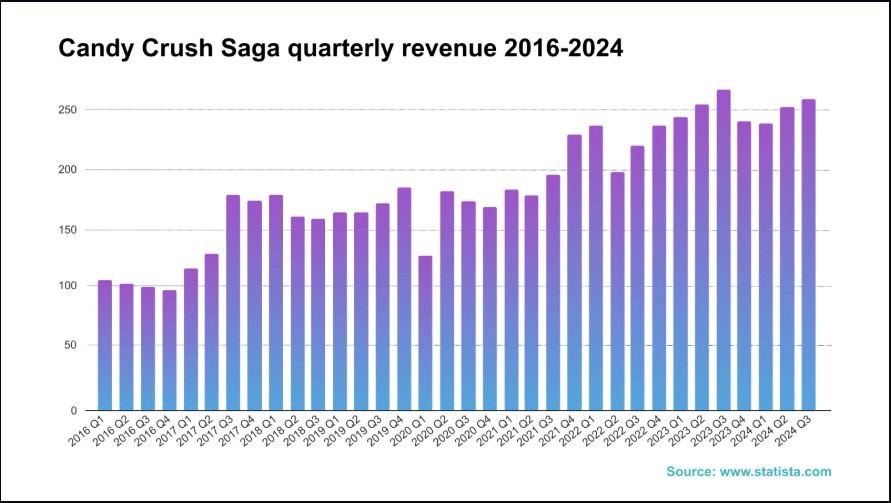
So, how much does Candy Crush make? The answer: consistently over $1 billion a year, more than a decade after its launch. This level of sustained success is rare in mobile gaming and speaks volumes about the strength of the Candy Crush revenue model.
Candy Crush’s Revenue Model Explained
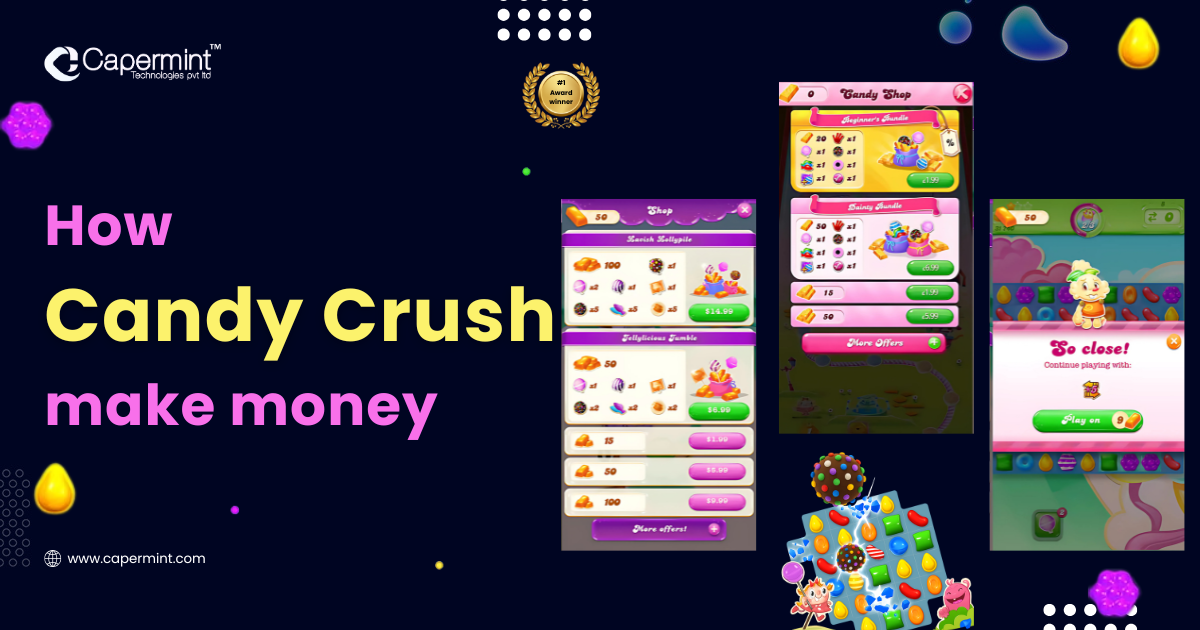
If you’ve ever wondered how does Candy Crush make money, the answer lies in a finely tuned mix of in-app purchases, ad revenue, and limited-time events – all working together to drive billions in annual earnings.
Here’s a breakdown of the Candy Crush revenue model:
In-App Purchases (Primary Driver)
The heart of the Candy Crush business model is microtransactions. Players can buy:
- Boosters to clear tough levels
- Extra lives to continue playing without waiting
- Gold bars, the game’s premium currency, used for moves, lives, or unlocking features
These small, optional purchases add up quickly across millions of users. Most players never spend, but those who do often spend repeatedly – making this model highly lucrative in the long run.
Ads: A Secondary Stream
Another key piece of the Candy Crush monetization strategy is advertising. While the core game experience is ad-free, players can choose to watch rewarded video ads in exchange for extra lives or boosters. There are also interstitial ads in spin-off versions.
This allows King to generate puzzle game revenue even from non-paying players, making the most of the game’s huge player base.
Live Events & Limited-Time Challenges
Time-limited events and competitive challenges (like leaderboards or seasonal levels) increase engagement and urgency. These events often lead players to spend on boosters or lives to maintain their rank or complete a goal before the timer runs out.
This dynamic content keeps the gameplay fresh and ensures a steady stream of revenue throughout the year.
In-App Purchases (IAP): The Primary Revenue Stream
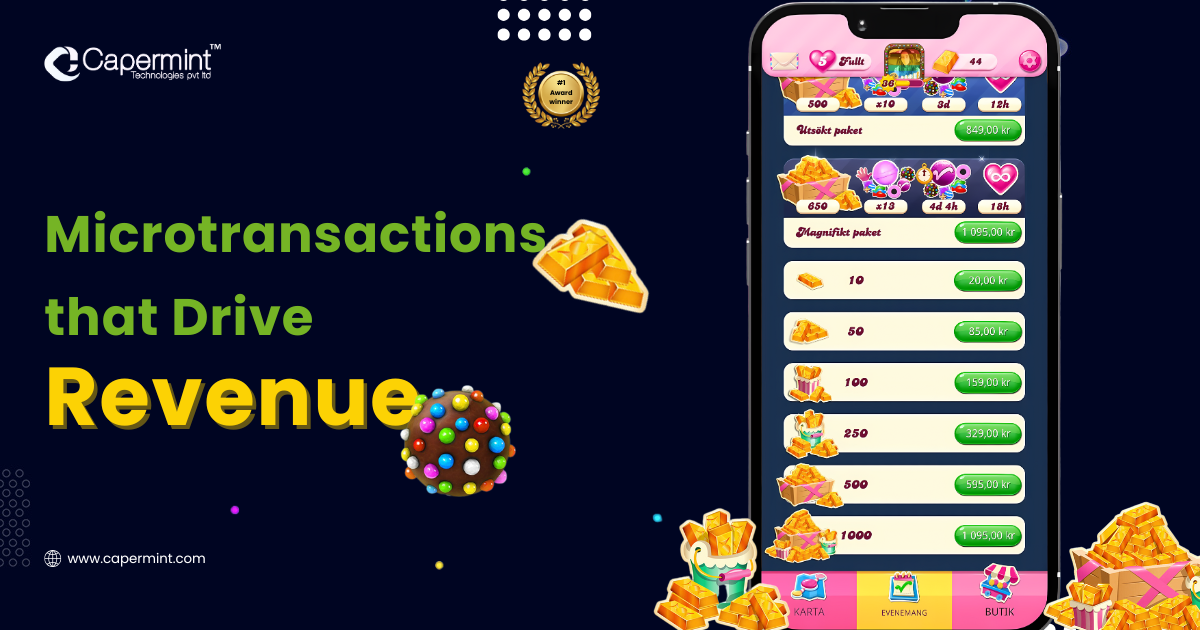
Candy Crush has perfected the IAP model (In-App Purchase model) by blending addictive gameplay with monetization mechanics that feel organic rather than forced. These systems are deeply embedded into the player experience and are a major reason how Candy Crush generates revenue at scale.
Below is a closer look at the core monetization features that define the game’s success:
Lives System
Players get five lives by default. If they fail levels repeatedly, they must wait for lives to recharge, or buy more using gold bars. This “wait or pay” mechanic nudges users toward microtransactions while maintaining gameplay tension.
Boosters and Power-Ups
From lollipop hammers to color bombs, boosters make challenging levels easier. These are either earned in small quantities or bought directly. Their convenience – and increasing level difficulty – makes them a staple in match-3 game monetization.
Gold Bar Economy
Gold bars are Candy Crush’s premium currency, used to purchase extra moves, lives, or unlock features. Players can earn a limited amount through gameplay, but most end up buying them via real money, forming the core of the Candy Crush revenue model.
Personalized Offers
Candy Crush tracks player behavior to serve time-sensitive, personalized deals. These offers often bundle boosters, lives, or gold bars at a discounted rate – perfectly timed to convert hesitant users when they’re stuck or highly engaged.
Monetization Mechanics Overview
| Feature | Monetization Role |
| Lives System | Drives urgency-based spending. |
| Boosters/Power-Ups | Encourages microtransactions for progress. |
| Gold Bars | Central premium currency for most in-game purchases. |
| Personalized Offers | Maximizes conversion with dynamic pricing. |
All of these mechanics reinforce the Candy Crush monetization strategy, creating a system where spending feels optional but increasingly tempting as players progress. This seamless integration is a standout example in the world of match-3 game monetization.
The Numbers:
While only a small percentage of users spend money in the game, those who do (often called “whales”) account for the majority of its revenue. According to various reports:
- Average spend per paying user: $25–$50+
- Over 70% of Candy Crush’s revenue comes from IAPs.
By offering meaningful, well-timed purchases, Candy Crush turns optional spending into a natural part of the gameplay loop, which is exactly what makes its in-app purchase model so successful.
The Psychology Behind Player Spending
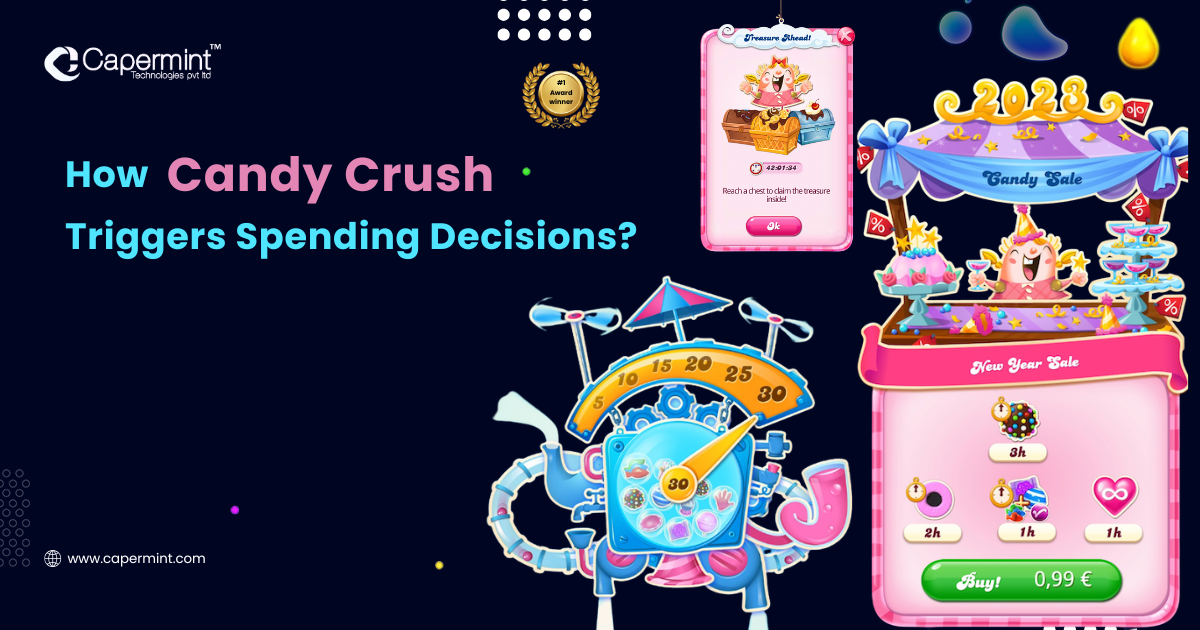
One of the most fascinating aspects of game monetization strategies is how they tap into human psychology – and Candy Crush is a masterclass in this domain. The game subtly nudges players toward spending without feeling aggressive or salesy. Let’s break down how mobile game psychology plays a crucial role in making this possible.
Scarcity: Limited Lives
When players fail multiple levels, they lose lives and must either wait to continue or pay to keep playing. This creates a feeling of scarcity, triggering a fear of missing out. For those deeply engaged, spending a small amount feels worth it to avoid the delay.
Reward Loops: Streaks and Wins
The game provides frequent small victories – clearing a level, earning a reward, or unlocking a streak. These reward loops stimulate dopamine, making players feel good and want to keep going. Over time, spending money feels like a natural step to maintain that winning momentum.
Sunk Cost Fallacy: Progress = Value
As players invest more time (and sometimes money) into the game, the idea of quitting becomes harder. This is known as the sunk cost fallacy – the deeper the progress, the more justified spending feels to avoid losing what’s already been earned.
So, how does Candy Crush make money from a game that is technically free?
The answer lies in these subtle psychological triggers that convert long-term engagement into revenue.
In fact, according to reports, millions of users make in-app purchases every month. Curious how many people spend money on Candy Crush? Roughly 3-4% of the player base are paying users – a small group that drives the majority of its income.
The Role of Events, Campaigns & LiveOps
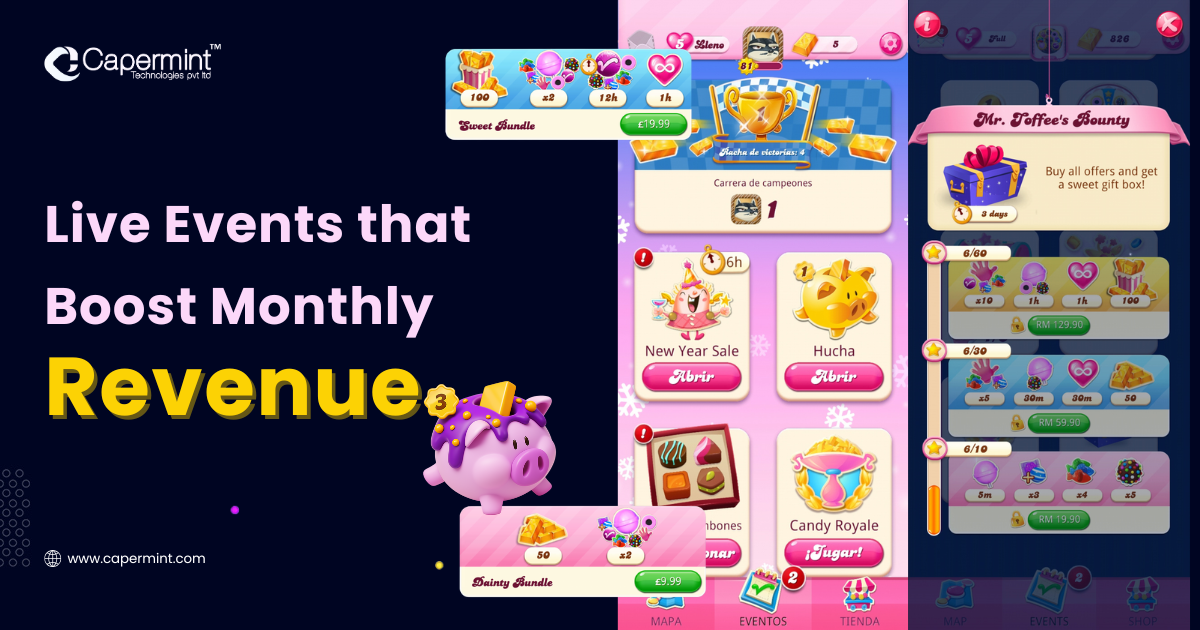
Candy Crush doesn’t rely solely on standard gameplay to fuel its success. Instead, it harnesses LiveOps in mobile games – events, campaigns, and real-time updates to keep players engaged and consistently spending. This is a core piece of the Candy Crush monetization strategy and an essential part of the overall Candy Crush business model.
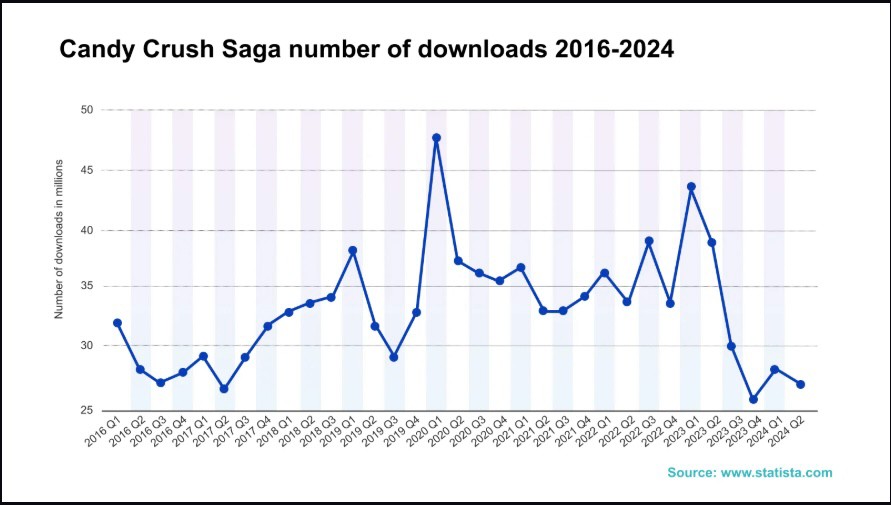
Seasonal Events & Limited-Time Campaigns
Candy Crush runs themed seasonal events throughout the year, like festive holidays or in-game specials, that come with exclusive levels and time-sensitive rewards. These seasonal events monetization efforts encourage players to return and often lead to higher in-game purchases. Events typically see a spike of up to 10–15% in revenue during activity windows.
The “All Stars” Campaign Effect
In April 2025, the Candy Crush All Stars tournament brought in over 15 million participants – about 7–8% of MAUs – recording $108 million in net IAP revenue that month alone, making it the game’s second-highest-earning month ever. Celebrity tie-ins, $1M prize pools, and heavily promoted marketing pushed downloads up by 7–14% globally during the campaign period.
LiveOps = Ongoing Revenue Streams
King releases new levels, power-ups, and special bundles regularly – sometimes weekly – making Candy Crush feel fresh long after launch. These updates are central to how does Candy Crush generate revenue over time and prevent stagnation. This ongoing content model keeps players in-game longer and spending regularly, even years after release.
Brand Power, Virality & Retention Tactics
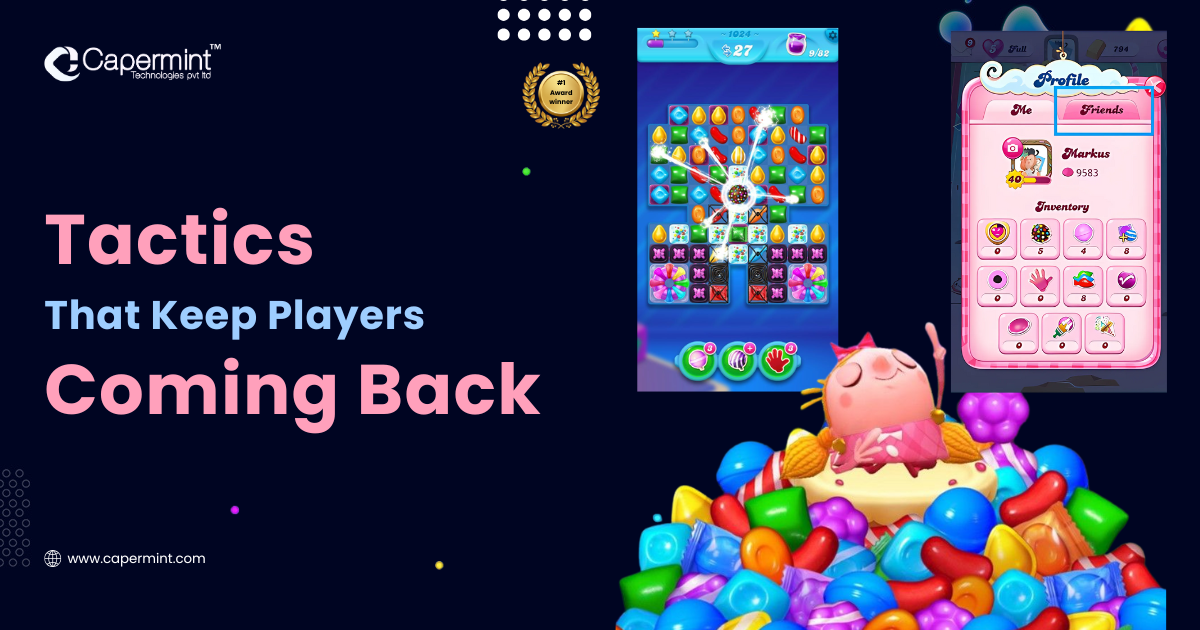
A big part of how Candy Crush makes money comes from its ability to retain users, increase session frequency, and extend player lifetime value (LTV). From a recognizable brand and seamless updates to cross-promotional strategies, Candy Crush deploys some of the most effective user engagement tactics in mobile gaming.
King’s Game Network & Cross-Promotion
King leverages its massive ecosystem titles like Farm Heroes, Bubble Witch, and Pet Rescue – to drive cross-promotions and build a self-sustaining audience pipeline. For example, in-game banners or rewards in one title often direct players to another, boosting installs across the network without relying entirely on paid user acquisition. This supports what is the business model of Candy Crush, which heavily benefits from organic traffic and network effects.
Social Mechanics that Drive Virality
Candy Crush brilliantly uses soft social pressures. Players can send or request extra lives, compete in leaderboards, and view friends’ progress. This setup encourages mobile game retention through friendly competition and collaboration – especially on Facebook, where viral loops helped Candy Crush become the most downloaded game in 2013 and remain sticky years later.
- In early years, over 40% of new installs came via Facebook referrals, showing how deeply embedded social mechanics were in the user journey.
Constant Content = Constant Retention
Weekly updates, new levels, and exclusive event rewards keep the game feeling fresh. As of 2026, Candy Crush has over 16,000 levels, and King continues to roll out 45–60 new levels per week. This endless stream of content ensures that no player ever truly finishes the game, increasing LTV and strengthening mobile game retention.
Why It Works
- Frequent updates = fewer uninstalls
- Social loops = higher re-engagement
- Networked ecosystem = free cross-promotion
- High LTV = more opportunities to monetize
All of these tactics reinforce how Candy Crush has mastered the user engagement tactics needed to thrive in a saturated market.
How Much Does Candy Crush Earn? (2024–2025 Snapshot)
Here’s the quick view of Candy Crush earnings – packed with key figures and trend context illustrating exactly how much Candy Crush make, how it generates revenue, and why its revenue model continues to dominate mobile.
Revenue Breakdown
- Total Revenue (2024): ~$1.088 billion.
- Lifetime Revenue (2025): Over $20 billion, making it one of the most successful mobile games ever.
- April 2025 Net IAP Revenue: $108.25 million, Candy Crush’s second-highest monthly total in history.
Users & Engagement
- Monthly Active Users (MAU mid‑2024): 273 million globally.
- Daily Active Users (DAU): Approximately 54–60 million engaged daily.
Revenue Per User
- ARPDAU (Per Daily Active User): $0.25–$0.40.
- ARPPU (Per Paying User): $25–$35/month; In-app purchases make up ~95% of total revenue.
Revenue Trends at a Glance
| Period | Revenue | Highlights |
| April 2025 | $108.25 million | Second-highest month ever due to All Starts |
| 2024 (full year) | $1.088 billion | At least 10 years of $1B+ annual revenue. |
| Cumulative (2025) | $20 billion+ | Crowned among the highest-grossing mobile titles. |
Why It Matters
These numbers show that how does Candy Crush make money isn’t a one-off formula – it’s a durable Candy Crush revenue model that scales with constant updates, intelligent monetization, and a massive user base. Even non-payers contribute via ad views or seasonal campaigns, rounding out the revenue engine.
What Developers Can Learn from Candy Crush
Candy Crush isn’t just a fun game – it’s a mobile game monetization masterclass. Its success lies in seamlessly blending monetization with engaging gameplay. The Candy Crush business model prioritizes casual players while still incentivizing spenders through smart placement of power-ups and timed offers.
The game’s creators rely heavily on data-driven updates using A/B testing and player behavior analytics. Every tweak, from level difficulty to event timing, is driven by insights. Importantly, they provide value beyond the paywall – boosters enhance the experience, but players can still progress without paying.
If you’re planning to build a game like Candy Crush, focus on gameplay-first monetization. The puzzle game business model thrives when monetization supports, not blocks, player enjoyment.
Develop a Game Like Candy Crush with Capermint
At Capermint, we’ve helped studios build a match-3 game from concept to global launch. If you’re looking to develop a Candy Crush like game, our expertise spans game design, LiveOps, monetization strategy, and user retention mechanics.
We understand how to balance fun gameplay with monetization. From onboarding flows to dynamic offer timing, every feature is crafted to drive engagement and spending. Our analytics suite tracks real-time player behavior – so you can make smarter decisions, faster.
Whether you’re a startup or a publisher looking to scale, our team is ready to bring your vision to life.
Conclusion
So, how does Candy Crush make money?
Through a hybrid strategy that mixes IAPs, ads, and LiveOps, blended into a well-designed, addictive game loop. The brilliance of the Candy Crush monetization strategy lies not in aggressive tactics, but in enhancing user experience.
The business model of Candy Crush proves that monetization works best when integrated with gameplay, user psychology, and live content updates. For developers aiming to build a match-3 game, Candy Crush offers a blueprint of what works.
If you’re ready to create a commercially successful puzzle game, Capermint’s expert team can help you turn your idea into a reality. Let’s build your next big hit.