
Game design & prototyping
Core loops, progression, levels and economy. Test the essential interaction on a real device before expanding content production.
Search the native WordPress menu, then use the complete directory for every long-tail capability.
iPhone / iPad / TestFlight
Made for touch.
Ready for Apple devices.
Capermint connects game design, art and iOS engineering to build new iPhone and iPad games, adapt existing titles and plan their App Store release.
A new game, an iOS port or specialist support for your current build.
01 iPhone & iPad experience
02 Playable TestFlight builds
03 Your App Store release path
iPhone & iPad experience
iPhone game development starts with handheld play. iPad game development adds a larger canvas and different layout and input decisions. Agree the experience for each before producing the assets.
Define supported models, minimum OS, orientation, safe areas and control methods. An adaptive iPad experience needs more than a stretched phone interface. An iPhone app running in iPad compatibility mode is a different scope.
Review playable builds on physical devices throughout production. Set targets for representative sessions, including older supported hardware, rather than relying on a simulator or a short demo on the newest phone.
| Decision | Agree during scoping | Review at milestones |
|---|---|---|
| Device coverage | Supported iPhone/iPad models, OS range, orientations and distribution destinations. | A named device matrix and build-specific compatibility results. |
| Layout & input | Touch targets, HUD, safe areas, text, audio and any controller or accessibility needs. | Gameplay and UI checks on each agreed form factor. |
| Sustained play | Frame pacing, memory, loading, heat and battery expectations for representative sessions. | Profiling results, test conditions and a prioritized issue log. |
| Session continuity | Pause/resume, calls, network changes, save recovery and account transitions. | Repeatable scenarios and acceptance decisions against the tested build. |
On a phone, scroll the table within this panel.
TestFlight & App Store delivery
Release work includes your account setup, purchase behavior, SDKs, tester feedback and review materials. Give each a responsible owner before the final build.

Your business should control the Apple Developer and App Store Connect accounts. Agree team permissions, bundle identity, capabilities, signing and provisioning.
Account owner, access roles and documented release configuration.
Test purchase states, restoration where applicable, entitlements and server checks. Review ads/analytics SDKs, privacy manifests, data disclosures and tracking permissions where relevant.
Purchase scenarios, dependency inventory and client-approved privacy inputs.
Distribute beta builds to the agreed tester groups, collect feedback and triage crashes. Plan external beta review, tester availability and device coverage.
A beta build, feedback log and agreed priorities for the next milestone.
Complete regression, device, network and purchase checks. Prepare screenshots, metadata, age-rating answers and review access with working backend services.
QA results, known issues, submission materials and client sign-off.
Submit the candidate, address review feedback and coordinate the agreed release. TestFlight acceptance and public App Store approval are separate stages.
Review-response owner, release decision and monitoring/support plan.
Apple explains TestFlight, App Review and app privacy details. Requirements depend on the product, SDKs and intended storefronts; review them for each release.
iOS game development services
Build around the way people play on Apple devices. Connect creative direction, gameplay and iOS integration in a full production or a clearly defined specialist workstream.
From tactile idea → visual language
Core loops, progression, levels and economy. Test the essential interaction on a real device before expanding content production.
Characters, environments, effects, menus and onboarding. Match visual ambition to the supported screens, memory and rendering budgets.


Responsive play → connected systems
Controls, save systems and platform features. Scope Game Center, cloud saves or native plugins when they serve the player experience.
Accounts, matchmaking, shared progression and online sessions. Define server authority, reconnection, monitoring and hosting responsibilities.
Business model → continuing play
Plan the business model with gameplay. Implement the agreed catalog, SDKs, entitlement checks and product events, then test their real behavior.
Device testing, profiling, TestFlight builds and submission preparation. Separate defect support, platform updates and ongoing LiveOps.
Engine & build pipeline
Evaluate the content workflow, existing code, target devices and future platforms before choosing a stack or proposing a migration.
A shared 2D/3D production pipeline can support iOS and Android. Review engine versions, rendering, plugins and the Xcode release workflow for the project.
Unity developmentFor a Unity port or update, establish source access and iOS-compatible packages, then scope changes to input, layouts and platform services. Agree responsibility for signing, submission and release maintenance.
Discuss your iOS projectNative Apple integration: Swift, Objective-C or native modules may be appropriate for platform-specific features. A technical review should establish that need, the responsible specialists and how the code will be maintained.
Selected iOS games
Follow the project work through to its App Store listing. Explore direct-touch puzzle games for iPhone and iPad, then the characters and connected running experience in Runner Runner.
iPhone / sliding-block puzzle
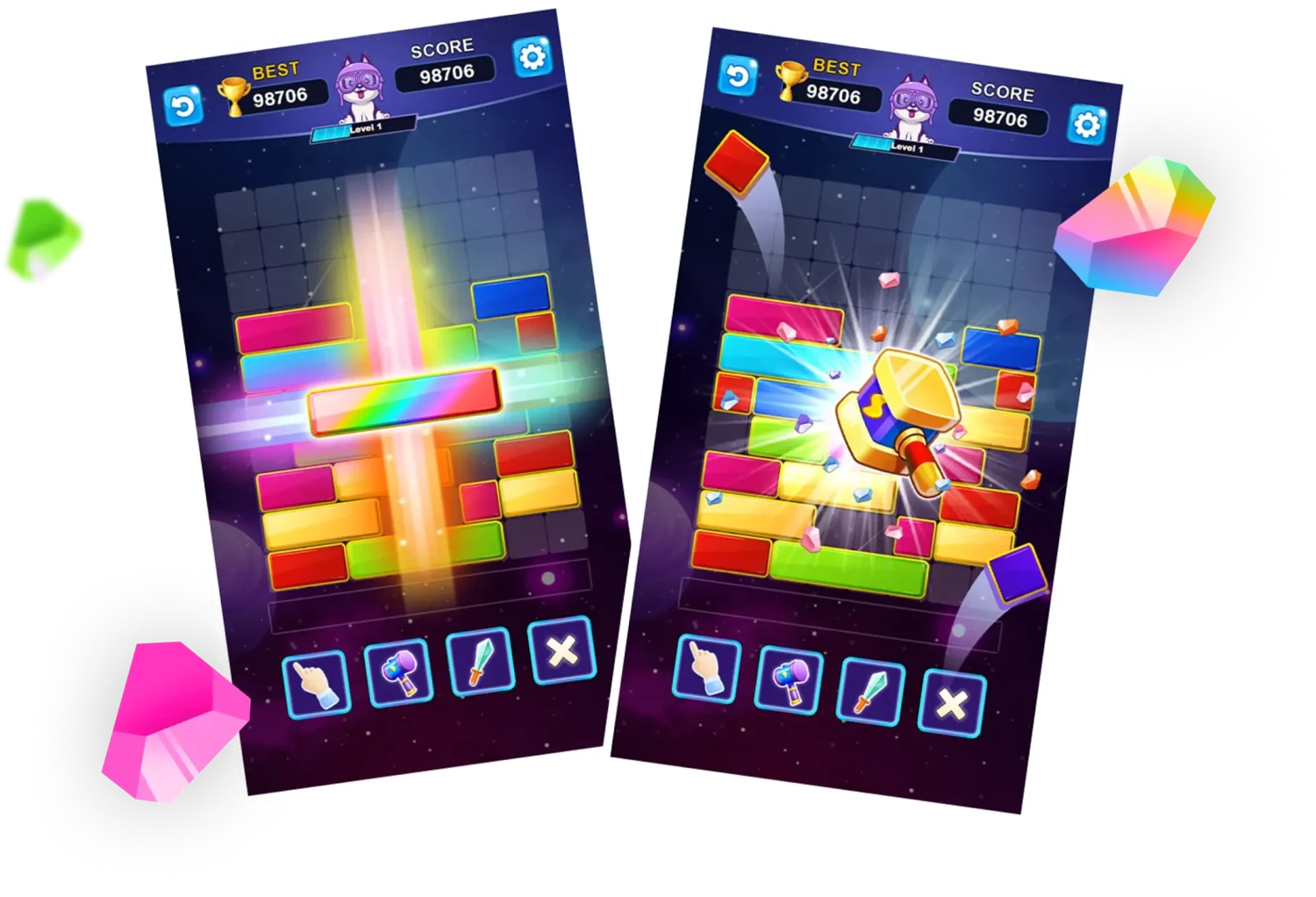
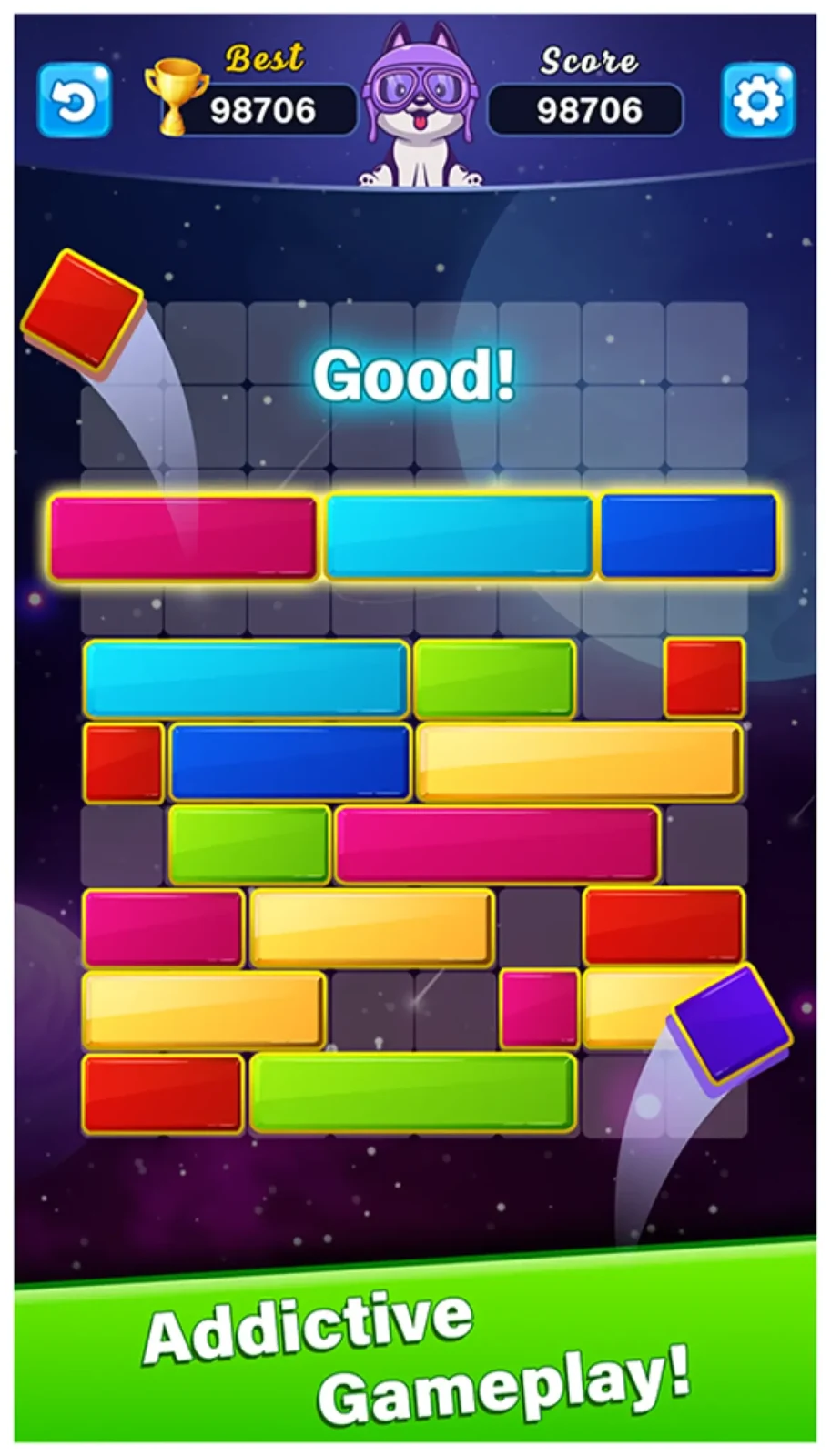
A sliding-block puzzle built around direct touch controls, jewel effects and line clears. Released on iPhone as Block Sliding – Drop Jewel by Capermint Technologies Private Limited.
iPhone & iPad / screw puzzle
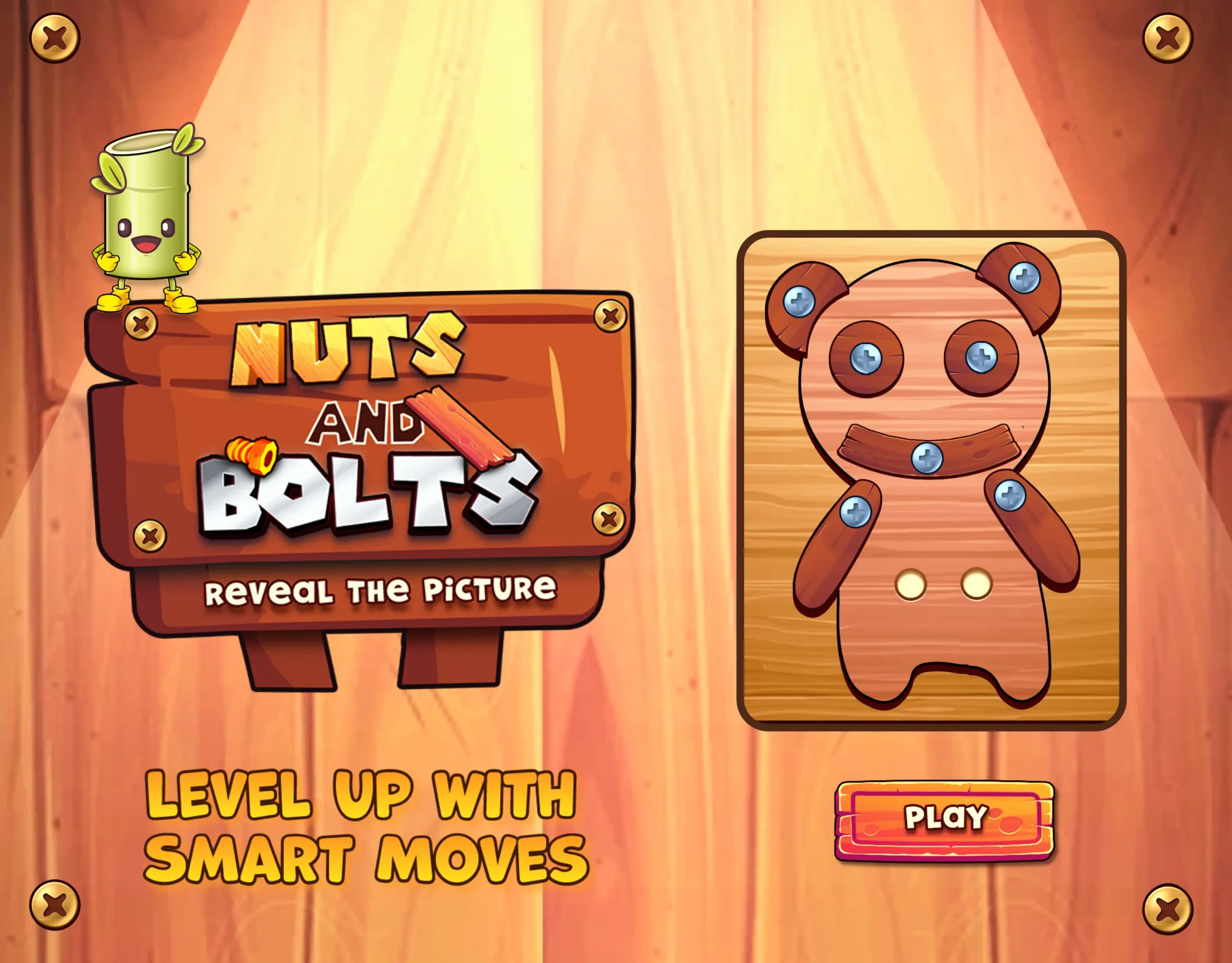
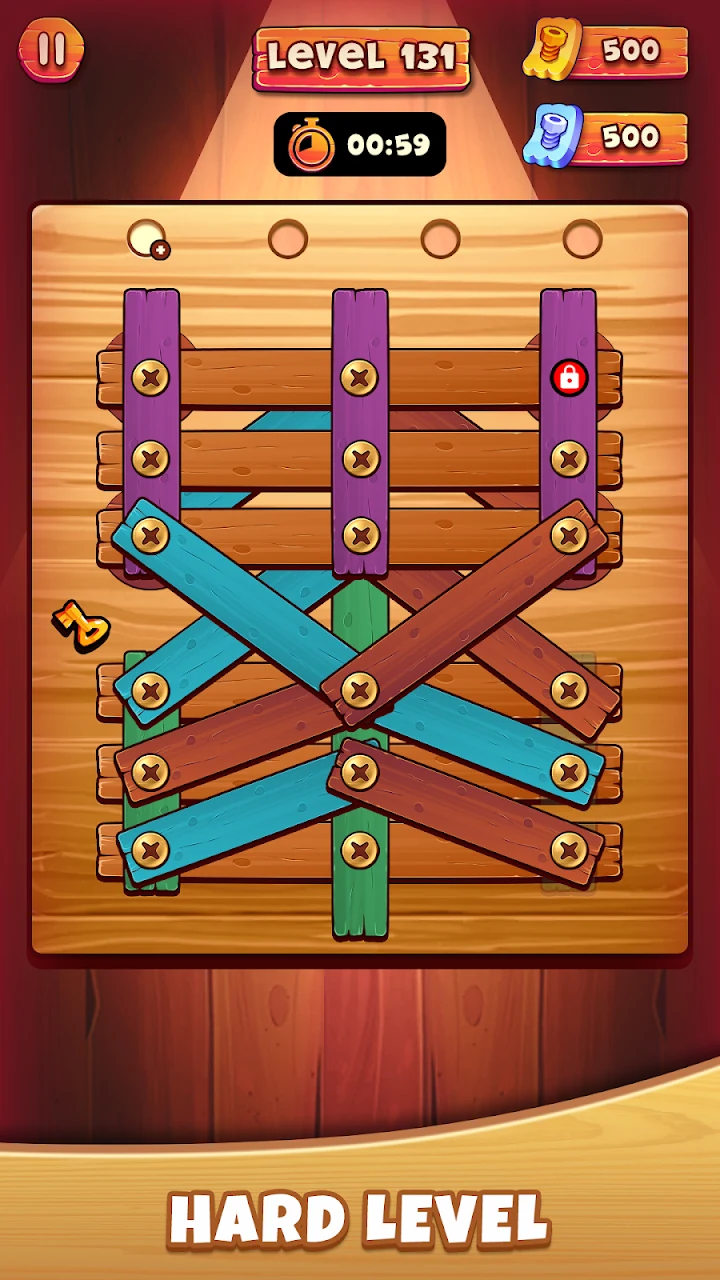
Our Wood case study covers design and development, art, interaction polish, testing and release preparation. Available on iPhone and iPad as Nuts and Bolts: Reveal Picture from Zen Gamer Studios Inc.
Runner RunneriPhone / characters / 3D worlds
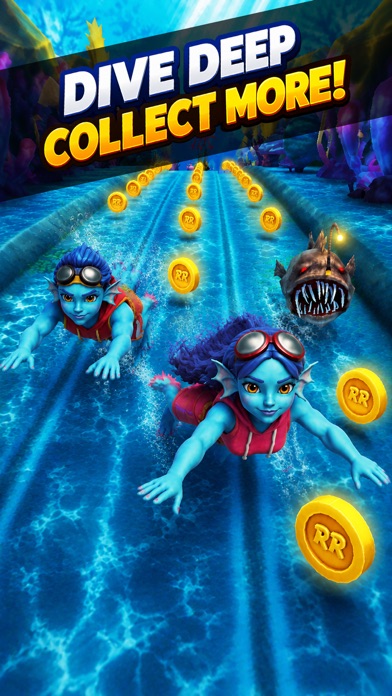
Characters, city environments, power-ups and competitive modes turn a familiar running action into a broader mobile experience.
PlaySphere Studios’ Michael Prozer describes Capermint’s work across game and UI/UX design, 3D models and animation, environments, mobile development and backend functionality in his Clutch review.
The iPhone game is listed by XA Interactive Inc., with PlaySphere Studios copyright.
An educational game for children aged 6–12. In a July 2020 Clutch review, a natural history museum’s IT specialist describes our iOS and Android coding work, a five-person dedicated team and daily collaboration through Basecamp. The client also describes direct access to the developers.
Read the museum client’s reviewChoose your starting point
A first title, a platform expansion and a stalled build need different plans. Begin with the decision that moves your production forward.
Develop the core loop, visual direction and technical plan around the intended Apple devices.
Start with: A concept, reference games or an early prototype.
Plan a new game
Assess an Android, web or PC title before committing to an iPhone and iPad release.
Start with: A working build, project access and platform priorities.
Assess an iOS portInvestigate a performance problem, unfinished milestone or App Review issue.
Start with: The current build, source, logs or review messages.
Discuss your current buildChoose how we work together. Managed iOS game development outsourcing gives Capermint responsibility for an agreed production scope. You can also hire iOS game developers to work within your team’s backlog, repositories and build pipeline. Set the delivery owner, specialist roles and working-hour overlap for either model.
Delivery & handover
Agree what is delivered, how it is accepted and how your team will maintain it.
Use playable checkpoints for prototype, production and release decisions. Review the completed scope, build quality, open issues and approvals needed to continue.
Define custom-code and asset ownership, third-party licenses, repository access and source formats in the agreement. A store transfer, where needed, is separate from handing over the source and operating the game.
Your delivery package
Confirm final outputs and third-party restrictions in the commissioned scope.
iOS game cost & planning
Share the concept or current build, intended devices, content scope, integrations, budget context and launch constraints. We can identify what needs discovery before proposing the delivery plan.
Mechanics, levels, art, animation and online systems determine production effort. A focused first release and a content-heavy live game need different teams.
iPhone and iPad layouts, hardware support, input methods and quality targets affect art, development and testing. Additional Apple destinations need their own assessment.
Ports depend on source quality and plugins. Signing access, commercial agreements, SDK changes, client approvals and Apple review create release dependencies.
Separate hosting, external services, engine or asset licenses, marketing and continuing support from the initial build. Define who owns updates and live incidents.
We work with buyers in the US, Canada, the UK, Europe and the GCC. Plan the actual launch markets, language, age group and data requirements. English, French and Arabic localization, including RTL layouts where relevant, needs content ownership, testing and client market review.
iOS buyer questions
Practical answers about commissioning, adapting and releasing an iPhone or iPad game.
Commission design, art, gameplay, backend, QA and release support together, or define a workstream within your production. Our Drop Master and Wood Nuts & Bolts projects give you a starting point for discussing relevant work, responsibilities and deliverables.
Game mechanics, art and content volume, backend, purchases, device coverage and release scope shape the estimate. A port also depends on source and plugin health. Separate development from hosting, licenses, paid acquisition and ongoing operation, then agree milestone outputs.
The schedule follows the scope, starting assets, technical risks, feedback and testing plan. Agree prototype, production and submission milestones after assessment. Client approvals, account readiness, external beta review and App Review can affect the release date.
Choose from your audience and gameplay needs. An iPhone-first release can differ from a universal project with adaptive iPad layouts. Agree screens, orientations, controls, supported models and testing; compatibility mode alone does not create a tailored iPad experience.
Set the supported device matrix and acceptance conditions first. Test physical devices for frame pacing, memory, loading, heat and session behavior. Combine profiling with gameplay, interruptions and network scenarios, recording issues against the specific build.
Start with a technical assessment of source, engine, dependencies, assets and licenses. Touch input, UI, rendering, purchases and platform services may need adaptation. Shared code can reduce duplicated work, while the iOS build and release path still need testing.
Yes. Share project access, an installable build, issue logs and any App Review messages. Review the build pipeline, reproducible defects, SDKs and account access before agreeing targeted fixes, continuing production or a justified rewrite.
Yes, when included in scope. Define the catalog, purchase types, entitlement rules and server responsibilities. Test success, cancellation, pending states and restoration where applicable, using the appropriate sandbox setup. Your account holder’s commercial agreements are also a release dependency.
Choose a model that fits the audience and core loop, then scope placements, rewards, products and analytics. Review storefront rules and SDK data practices for that model. Ongoing experimentation, acquisition and economy tuning are separate production decisions.
Inventory what the game and its SDKs collect, then review permissions, manifests and privacy disclosures. Tracking behavior may require App Tracking Transparency permission. Account-based games also need deletion and retention decisions. Agree technical work and client approval of declarations early.
TestFlight is beta distribution for testing and feedback. External testing can require beta review, while public release has its own App Review submission. A useful beta milestone identifies the tested build, device coverage, feedback owner and open issues.
We can scope build preparation, listing materials, privacy and age-rating inputs, review access and submission responses. Apple makes the approval decision. Plan for feedback and resubmission rather than treating a development completion date as a guaranteed public launch.
Your business should control its publishing accounts. Agree source and asset rights, third-party licenses and repository access contractually. Document app identity, signing, provisioning and build instructions so your team can continue releases, with delivery specialists using appropriate account roles.
Yes. Define the skill gap, engine, production stage and working-hour overlap. Your producer can retain backlog and delivery ownership while specialists use your code review and build pipeline. Explore our game developer hiring route.
Localization can include UI, game content, store materials, language QA and layout adaptation. Scope text expansion, fonts, Arabic RTL behavior, cultural review and content approvals. Identify who supplies and validates translations for each market.
Agree the support period, defect priorities, response expectations and access needed to investigate issues. Define how iOS, engine and SDK compatibility updates are handled. Monitoring, hosting and third-party fees need explicit owners and budgets.
New levels, events, economy changes and continuing product work need a roadmap and ongoing production scope. Prioritize them using the agreed analytics and feedback process. Keep new content and feature work distinct from the contracted defect-support period.
Plan your next step
New game projects · worldwide
Share the idea, audience and ambition. We’ll reply with a practical view of scope, team shape, technology and the smartest first milestone.
01 / Scope
Clear assumptions, open questions and the right place to begin.
02 / Team
Full-cycle, co-development or dedicated specialists—built around ownership.
03 / Next move
Prototype, technical discovery or production planning—not a generic sales pitch.
Project brief / secure enquiry
Secure enquiry · NDA-first · No obligation