

Our full-cycle PC game development services encompass every stage of bringing your game to life. From concept to launch, our experts handle design, development, testing, and beyond.

Extend your game's reach by porting it to the PC platform. We ensure a seamless transition, optimizing the experience for PC gamers.

Your ideas are where it all begins. We collaborate with you to refine and expand your game concept, ensuring it's not just a game but an immersive experience.

Captivate players with engaging game mechanics, level design, and player experiences. Our talented designers breathe life into your concepts.

Our seasoned developers specialize in PC game development, using cutting-edge technologies to code intricate systems that power your game.

We run functional, performance and hardware-compatibility tests across a range of PC configurations to find and fix bugs and crashes before release.

Implement effective monetization strategies, from free-to-play models to in-game purchases, tailored to your game and audience.

Optimize your game for various PC configurations, ensuring smooth performance on a wide range of hardware.

Your game's success doesn't end with launch day. We provide ongoing support, including updates, bug fixes, and content additions.

Encourage user-generated content and extend your game's lifespan by ensuring it's modder-friendly.

For competitive games, we offer esports integration services, helping you tap into the exciting world of competitive gaming.

Visuals are paramount in PC gaming. Our artists and graphic designers craft stunning environments, characters, and assets that elevate your game to new heights.


PCs provide the horsepower needed for breathtaking graphics and smooth gameplay. We build PC games to make good use of modern GPUs while keeping frame rates steady on the hardware you target.

PCs support various input devices, from keyboard and mouse to game controllers and VR headsets. This versatility allows us to create games that cater to diverse player preferences and playstyles.

PCs are ubiquitous, offering a vast potential player base. Whether your target audience is casual gamers, esports enthusiasts, or niche communities, PC games can reach a wide and diverse audience.

PC games often encourage modding and customization, fostering active player communities. We design our PC games with modding in mind, enabling players to extend and enhance their gaming experiences.

If your game has competitive elements, the PC platform is a natural choice. It offers precise control and performance optimization crucial for esports titles, attracting both players and spectators.

Unlike consoles, PCs are easily upgradable. We design our PC games to be forward-compatible, taking advantage of new hardware to deliver enhanced experiences as technology evolves.

PC games can be distributed through various channels, including digital storefronts, standalone websites, or custom platforms. This flexibility allows us to tailor distribution to your game's unique needs.

With the right design and technology, PC games can support cross-platform play, enabling players on different devices to compete and cooperate seamlessly.

PC gaming has a thriving indie game scene, making it an excellent platform for innovative and unique game concepts. We support indie developers in bringing their creative visions to life.

PCs open up possibilities for innovative game design, whether it's complex simulations, immersive VR experiences, or interactive storytelling. We use that flexibility to design games around your concept.




Conceptualization
In the first step, we define your PC game vision. We finalize the key gameplay elements and features, shaping the foundation for an extraordinary gaming experience.

Strategic Pre-Production
We plan your PC game venture with precision at Capermint. Strategization of project scope, timeline, and resources for a journey of seamless execution.

Visualization & Designing
Capermint ensures that your PC game aesthetics are visually appealing. Our artists craft immersive visuals, ensuring a unique and captivating design that sets your game apart.

Game Development
Watch your PC game evolve at Capermint. Our skilled developers breathe life into your vision, ensuring functionality aligns seamlessly with captivating design.

Testing & Quality Assurance
Our QA team tests gameplay, performance and compatibility on a range of PC hardware and operating systems, logging issues so they can be fixed before release.

LiveOps & Post-Launch Support
Beyond launch, Capermint stands by you. Our team offers ongoing support, updates, and enhancements, ensuring your PC game thrives in the gaming cosmos.






Unity Game Development
Our adept developers harness Unity's versatility to craft immersive games. From captivating storylines to dynamic gameplay, we blend creativity and technology, ensuring a seamless gaming experience across diverse platforms.

Unreal Game Development
Experience gaming excellence with Unreal Engine. Our skilled developers bring your ideas to life, creating visually stunning games with compelling gameplay, realistic graphics, and engaging mechanics.

Console Game Development
Enhance gaming experiences on leading consoles with our expertise. Our developers tailor console games to captivate audiences, ensuring seamless performance and engaging gameplay.

Android Game Development
Embark on the Android gaming journey with us. Our developers design and develop captivating games optimized for diverse Android devices, delivering a rich and enjoyable gaming experience.

iOS Game Development
Enter the world of iOS gaming sophistication. Our developers craft visually appealing and engaging games tailored for the Apple ecosystem, ensuring a seamless and immersive user experience.

Metaverse Game Development
Dive into the metaverse with our expertise. We build immersive 3D virtual worlds where players can explore, socialize and play.

At a glance
PC game development services: scope, stack and price
Capermint is a PC game development company building Unity and Unreal Engine games for Windows, macOS and Linux, released on Steam, Epic or direct download, for studios, publishers and brands in the US, Canada and worldwide. Focused PC games typically take 12–20 weeks; MVPs run $10K–$40K and mid-scope multiplayer games $40K–$120K. Final quotes follow a scoping call.
| Item | What you get |
|---|---|
| Delivery models | Fixed-scope project, dedicated team (billed monthly), or co-development and staff augmentation inside your studio |
| Typical timeline | Around 12 weeks for a focused PC game, up to 20 weeks depending on features and platforms; larger 3D or multiplayer titles are planned in phased milestones; an itemized timeline comes with the quote |
| Typical price (USD) | Single-game MVP $10K–$40K; mid-scope 3D or multiplayer $40K–$120K; large custom title $120K+; final quote after a scoping call |
| Engines and tech | Unity (C#) and Unreal Engine (C++ and Blueprints); Steamworks SDK for achievements, cloud saves, leaderboards, lobbies and Steam Input |
| Platforms and stores | Windows, macOS and Linux builds; Steam, Epic Games Store or direct download; console versions scoped with our console game development team |
| QA and release readiness | Testing on minimum and recommended PC specs, keyboard, mouse and controller input checks, performance profiling and crash fixing, plus support through Valve's store page and build review |
| Markets | US and Canada (USD quotes, calls in US and Canadian business hours); also UK/EU, Middle East, Africa, Latin America, India (free-to-play, social and e-sports formats) and APAC; delivery studio in Ahmedabad, India |
| Proof | Founded 2014; Capermint-reported 650+ customers worldwide; Clutch 4.9/5 from 13 reviews |
Engine choice drives much of a PC project: Unreal game development suits high-end 3D, and Unity game development suits 2D and stylized titles that must run on modest laptops. Online titles are scoped with our multiplayer game development team, and console versions with console game development. Studios that need extra capacity can hire game developers by the month, and first-time founders can start with our guide to indie game development.
Cost and timeline
What a PC game costs and how long it takes
These are typical ranges for PC projects in USD. Art volume, online multiplayer, the number of operating systems and stores, and post-launch content move a project between tiers more than the choice of engine does.
| Tier | Typical scope | Typical price (USD) | Typical timeline |
|---|---|---|---|
| Indie or casual PC MVP | One core loop, 2D or stylized 3D art, single-player, Steam achievements and cloud saves, Windows build | $10K–$40K | Around 12 weeks |
| Mid-scope 3D or multiplayer PC game | Online co-op or competitive play, player accounts, leaderboards, full controller support, Windows plus macOS or Linux builds | $40K–$120K | 12–20 weeks |
| Large custom 3D PC title | High-end 3D in Unreal or Unity, multiple modes, custom backend or dedicated servers, LiveOps tools, console builds alongside PC | $120K+ | 20+ weeks, in phased milestones |
| Dedicated team or co-development | Monthly team of engineers, artists and QA working in your sprints, tools and repositories, including Early Access updates | Monthly, quoted by team size | Ongoing, by month |
Ranges exclude engine licenses or royalties, the $100 Steam Direct fee and other store fees, middleware licenses and server hosting. Final quotes follow a scoping call and arrive as a custom itemized estimate.
Stack and process
How we build and ship a PC game
Engines
Unity (C#) for 2D and stylized 3D games that must run on low- and mid-range PCs; Unreal Engine (C++ and Blueprints) for high-end 3D. We pick one after reviewing genre, art style and target hardware.
Steam and store integration
Steamworks SDK for achievements, cloud saves, leaderboards, lobbies and Steam Input, with builds and store assets prepared for Steam, the Epic Games Store or direct download.
Performance and hardware
Minimum and recommended specs set before production, performance budgets for each tier, scalable graphics presets, and testing on hardware at both tiers with keyboard, mouse and controller.
Multiplayer and backend
Steam lobbies and networking for peer-to-peer co-op, Photon for hosted sessions, or Unreal Engine dedicated servers for competitive games that need server authority, with hosting sized to expected concurrent players.
Brief, NDA and scoping
You share a short brief; an NDA is available before detailed discovery. Within 48 hours you receive a custom itemized quote and a free Project Readiness Assessment covering scope, team shape, timeline, technology fit, budget range and risks.
Game design and technical plan
We lock the core loop, engine, minimum and recommended PC specs, performance budgets, input scheme, target stores and the milestone plan.
Prototype and art direction
Where the core mechanic is unproven, we can build a playable prototype on target hardware and set the visual style before full production spend.
Production sprints
Gameplay, art, audio and UI for keyboard, mouse and controller are built in sprints, with progress reviewed against the milestones in the itemized timeline.
QA and hardware testing
Functional, regression and performance testing on minimum and recommended specs, input checks and crash fixing before release.
Store submission and launch
We integrate Steamworks features, prepare builds and store assets in your Steamworks account and support Valve's store page and build review, allowing for the two-week Coming Soon period.
Post-launch support and LiveOps
Patches, compatibility fixes after Windows or GPU driver updates, content updates and DLC, usually on a monthly dedicated-team basis.
Proof and markets
What you can check before you sign
Independent reviews
Clutch 4.9/5
From 13 reviews. Capermint also has a GoodFirms profile rated 4.6.
Company
Founded 2014
Delivery studio in Ahmedabad, India. Capermint-reported 650+ customers worldwide and over 200 specialists across game design, 2D and 3D art, animation, gameplay and backend engineering, and QA.
PC portfolio
Titles you can review
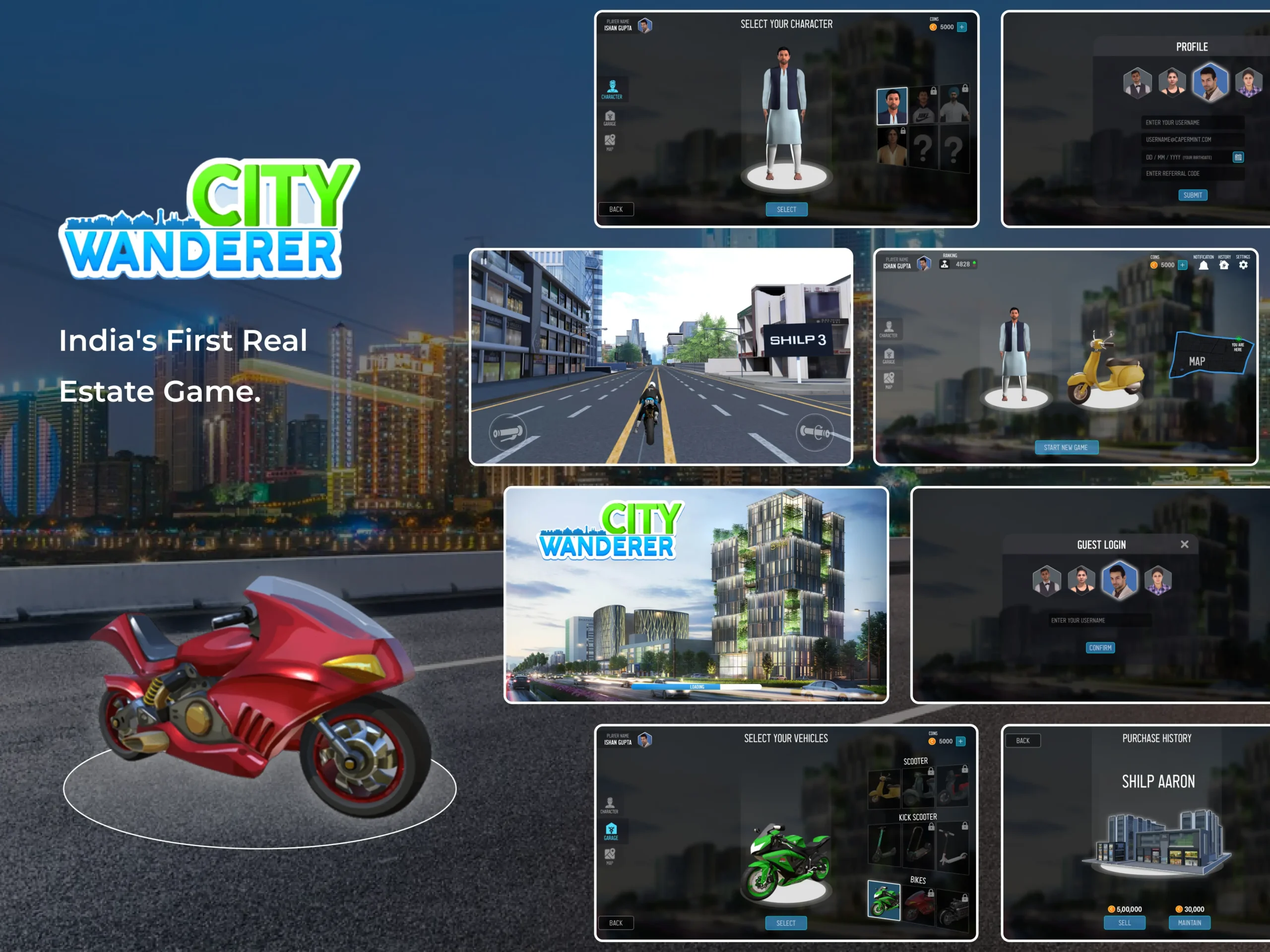
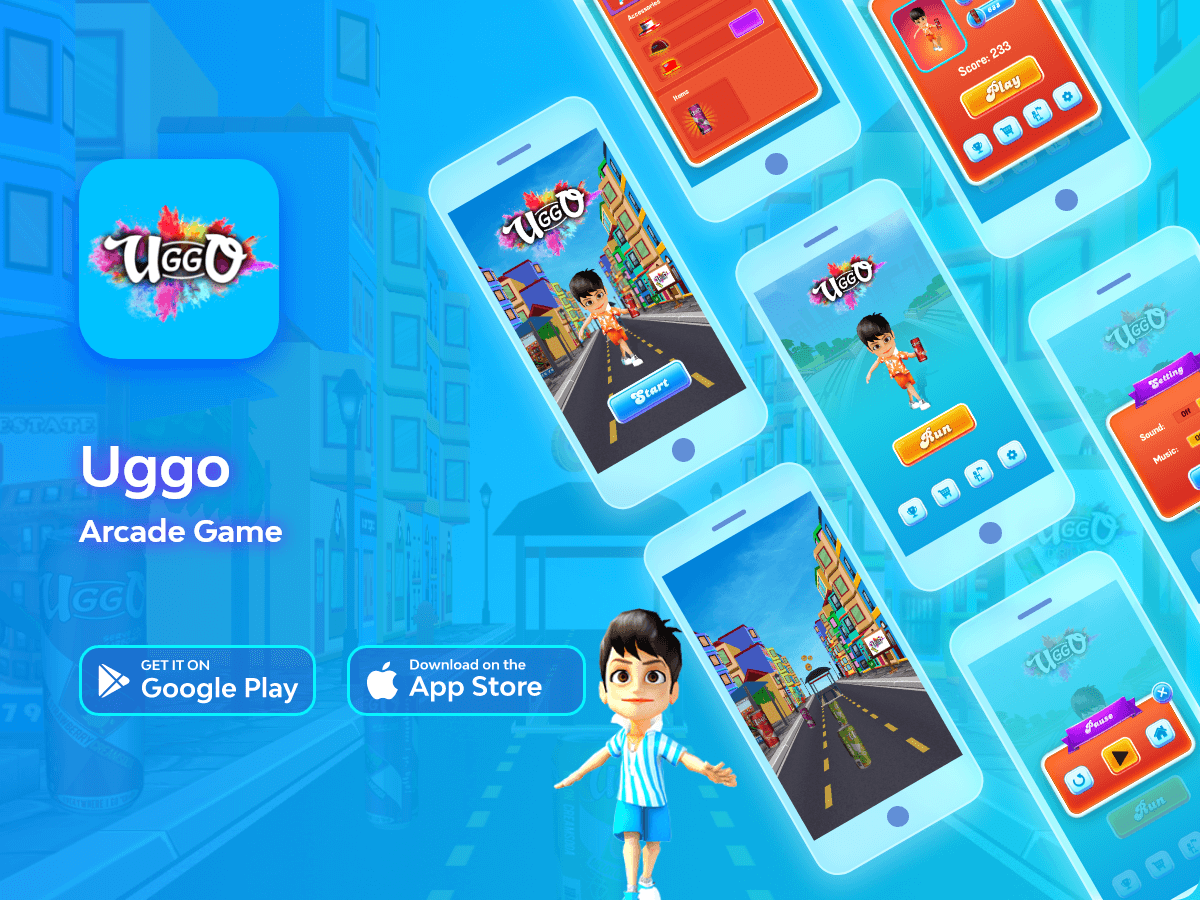
PC projects in our portfolio include Expedition Warrior of Steel, City Wanderer, Ninjattori, UGGO The Game and Maseera Battle. See the games portfolio for more.
We take PC projects from the US and Canada (USD quotes, calls in US and Canadian business hours) and from the UK and Europe, the Middle East, Africa, Latin America, India and Asia-Pacific. Real-money features are regulated jurisdiction by jurisdiction; in India the Promotion and Regulation of Online Gaming Act 2025 prohibits online money games, so for India we build free-to-play, social and e-sports formats. Operators are responsible for licensing; we build to the technical requirements of the target jurisdiction. This is not legal advice.
FAQ
PC game development FAQs
Should I build my PC game in Unity or Unreal Engine?
Choose Unreal Engine when high-end 3D visuals on PC and console lead, and Unity when you want a lighter 2D or stylized 3D game that runs well on low- and mid-range PCs and laptops. Unreal uses C++ and Blueprints, and Epic's standard license charges a 5% royalty on a product's lifetime gross revenue above $1 million. Unity uses C# and is sold as per-seat subscriptions; Unity cancelled its per-install Runtime Fee in September 2024. Capermint builds in both engines and recommends one after reviewing your genre, art style and target hardware.
What does it cost to release a PC game on Steam?
Releasing on Steam costs a $100 Steam Direct fee per game, which Valve returns once the game earns $1,000 in adjusted gross revenue. Valve then keeps 30% of sales by default, falling to 25% on revenue above $10 million and 20% above $50 million. For your first titles, Valve requires a 30-day wait between paying the fee and releasing; the store page must be visible as Coming Soon for at least two weeks, and Valve reviews both the store page and the build, so plan these steps into your release date.
Should I launch my PC game on Steam or the Epic Games Store?
For most new PC games, launch on Steam, because its wishlists, discovery queues and player reviews drive early sales, and add the Epic Games Store at launch or later. Epic lets developers keep 100% of the first $1 million in net revenue per product each year and 88% after that, against Steam's 30% default share. Unreal Engine games that launch on Epic before or at the same time as other stores qualify for a reduced 3.5% engine royalty under Epic's Launch Everywhere program. We prepare builds and store integrations for both, so a second store is planned rather than retrofitted.
Can you make my PC game Steam Deck Verified?
We can build your game to Valve's Steam Deck compatibility criteria, but only Valve assigns the Verified, Playable or Unsupported rating after its own testing. The criteria cover full controller support with matching on-screen button prompts, text that is legible at the Deck's 1280x800 resolution, good default settings, and no launcher or anti-cheat problems under Proton. We test against these points before the game goes to Valve.
Can you bring my mobile or console game to PC and Steam?
Yes, porting an existing game to PC is part of our PC work. A good PC version redesigns menus for keyboard and mouse, adds controller support, raises art and UI resolution for large screens, adds graphics settings and replaces mobile-only features such as touch controls and ad placements, since Steam does not accept advertising-based business models. We review your project and engine version before quoting, so the estimate reflects what can be reused.
Can you add online multiplayer or co-op to a PC game?
Yes, online co-op and competitive multiplayer are common PC requests. Depending on the design we use Steam lobbies and networking for peer-to-peer play, a networking layer such as Photon, or dedicated servers in Unreal Engine for competitive games that need server authority and cheat checks. Server hosting is a running cost separate from the build, so we size it to your expected concurrent players during scoping.
How do you decide minimum and recommended PC specs for my game?
We set minimum and recommended specs in the technical plan, before production starts, based on your genre, art style and audience. The Steam Hardware & Software Survey is a useful reference for the hardware players actually own. During production we keep performance budgets for each tier, add scalable graphics presets and test builds on hardware at both tiers, so the specs on your store page match what players experience.
Which engagement model fits a PC game: fixed scope, dedicated team or co-development?
Choose fixed scope when the game design is settled and you want one price and one delivery plan. A dedicated team billed monthly suits Early Access, regular content updates and roadmaps that will change after launch. Co-development or staff augmentation fits studios that already run their own pipeline and need extra engineers, artists or QA working to their producer's priorities.
Who owns the source code and IP of my PC game?
Your contract sets ownership, so agree it in writing before production starts. It should state when the source code, engine project, art source files, design documents and store account access pass to your company, usually tied to payment milestones. Engine, plugin and asset-store components stay under their own licenses. An NDA is available before detailed discovery. This is general information, not legal advice.
Can my PC game include ads, NFTs or real-money features?
Ads and NFT trading do not fit Steam, and real-money features depend on the jurisdiction. Steam's onboarding rules exclude applications with advertising-based business models, blockchain applications that issue or allow exchange of cryptocurrencies or NFTs, and content that violates the law where it is available. Real-money gaming is regulated jurisdiction by jurisdiction: in the US, online casino is legal in only a handful of states such as NJ, PA and MI; in Canada, Ontario runs a regulated iGaming market through AGCO and iGaming Ontario; in India, the Promotion and Regulation of Online Gaming Act 2025 prohibits online money games, so for India we build free-to-play, social and e-sports formats. Operators are responsible for licensing; we build to the technical requirements of the target jurisdiction. This is not legal advice.
Get a scoped estimate for your PC game
Send the genre and reference games, target stores and operating systems, single-player or multiplayer, art style, business model, launch window and budget range; a game design document helps but is not required. Within 48 hours we reply with a custom itemized quote and a free Project Readiness Assessment, and an NDA is available before detailed discovery.