
Casual puzzle
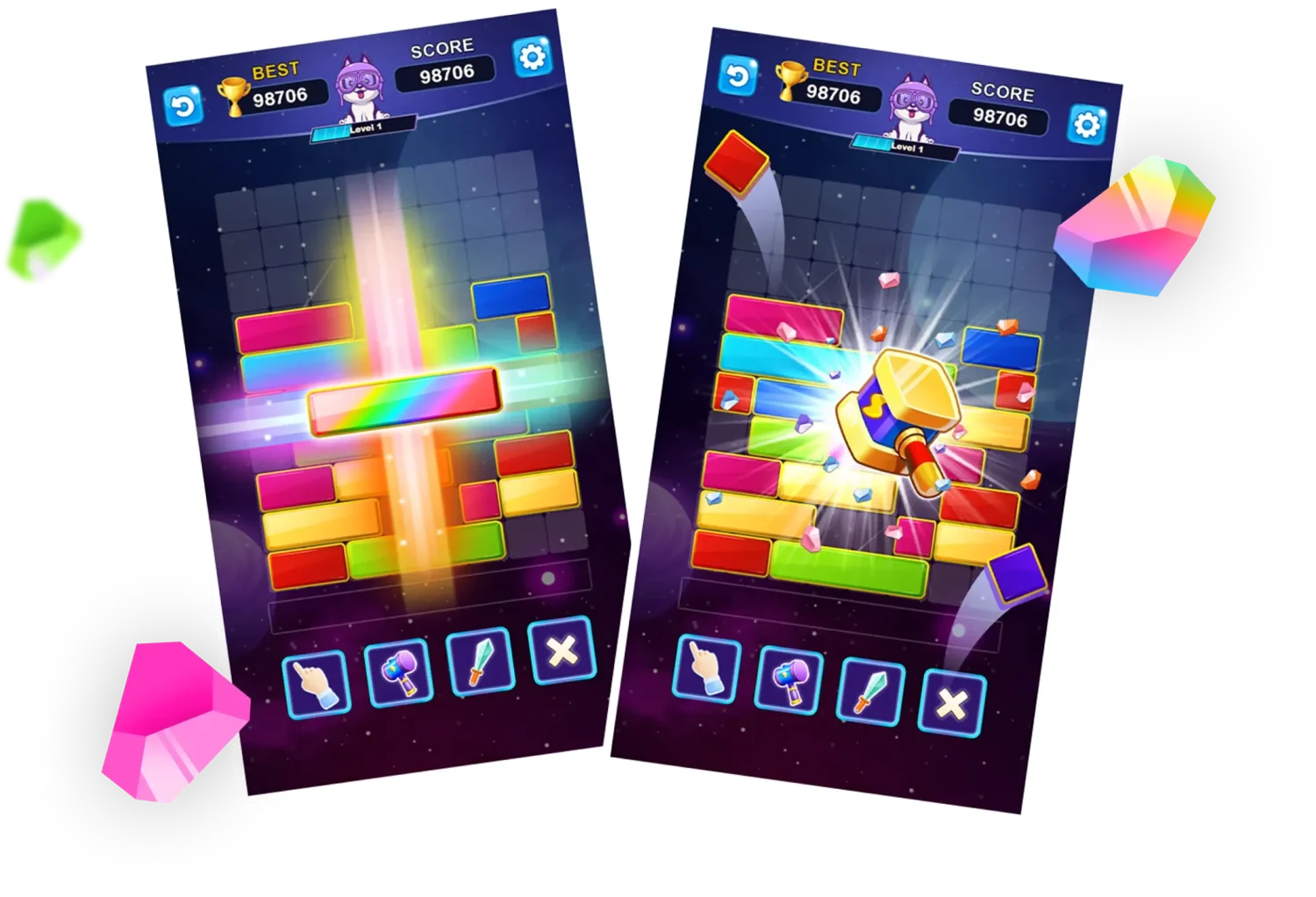
Drop Master
Horizontal block moves, line clears and visual feedback. The iPhone game is listed under Capermint Technologies Private Limited.
Search the native WordPress menu, then use the complete directory for every long-tail capability.
For US & Canadian founders, studios and publishers
Build your iOS and Android game with Capermint—from a playable prototype to a release-ready product. Bring your concept or existing build. We scope game design, 2D or 3D art, engineering, integrations and QA around your audience and first release.
Playable prototypesFull game productionCo-development & existing-game support
Explore the work
Review the product experience, artwork and case-study detail before choosing your development partner.
Casual puzzle
Horizontal block moves, line clears and visual feedback. The iPhone game is listed under Capermint Technologies Private Limited.
Endless runner
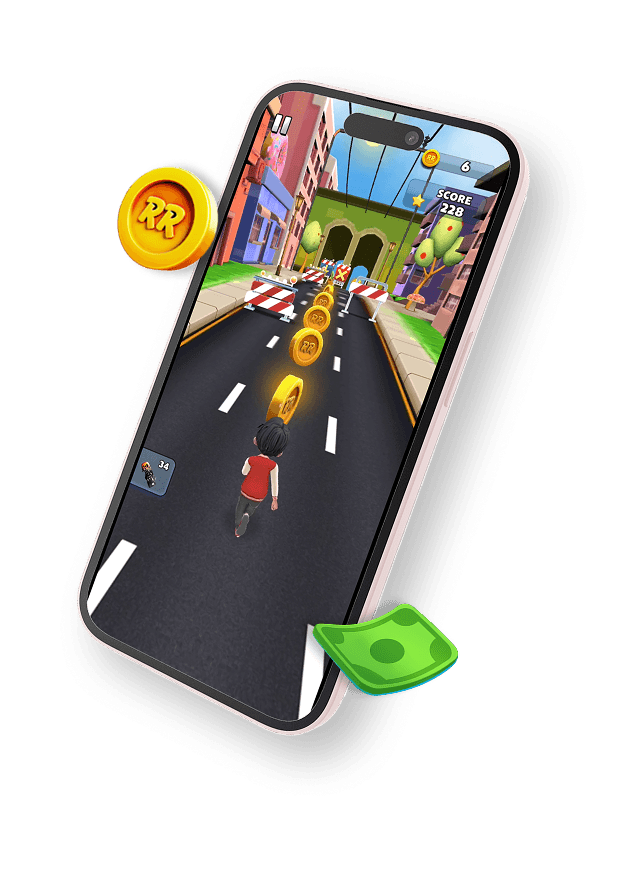
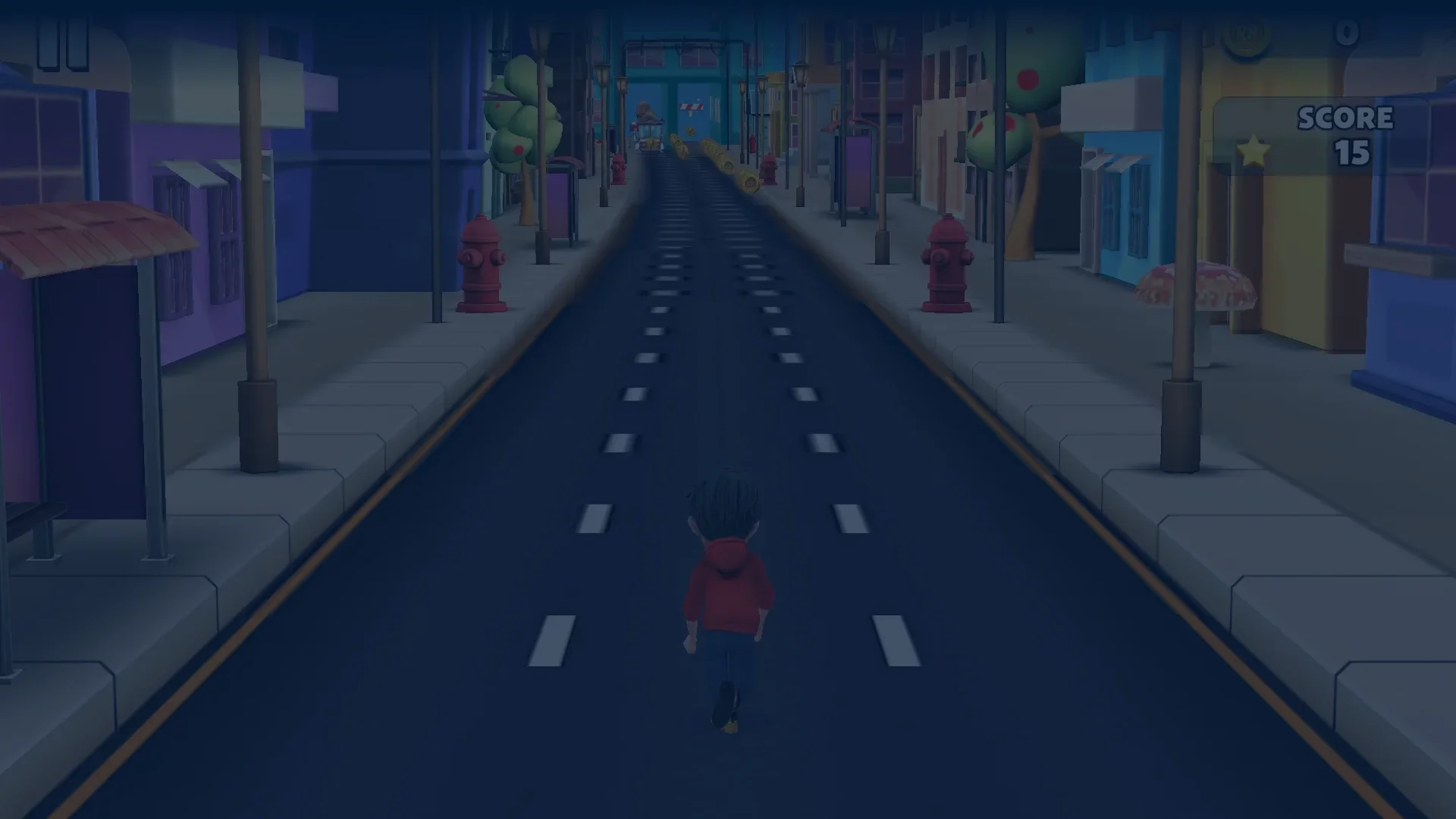
Obstacle reading, character identity and power-up decisions shape the running experience. Explore the product and design case study.
Multi-game platform
Casual games, competition and power-ups within a shared player experience. See how the platform and individual games are presented.
Client-reported delivery · Orlando, Florida
In an April 2024 Clutch review, Michael Prozer, founder and CEO of PlaySphere Studios, describes Capermint’s work on Runner Runner, from the client’s concept to mobile game development and backend admin functionality.
Scope summarized from the client’s account, published April 15, 2024.
Work described by the client
Start at the right stage
Test your core mechanic, controls and visual direction before funding full production. Define what the prototype must demonstrate, which assets it needs and how you will review it.
Scope game design, content, art, engineering, integrations and QA together. Agree a release plan around the initial audience, supported devices and store requirements.
Bring your build, code access and production gap. A technical review establishes the work for co-development, porting, new content, features or ongoing support.
Choose your game direction
Scope 2D or 3D gameplay, offline or connected play, and the content your first release needs. Explore a focused service or bring us a custom concept.
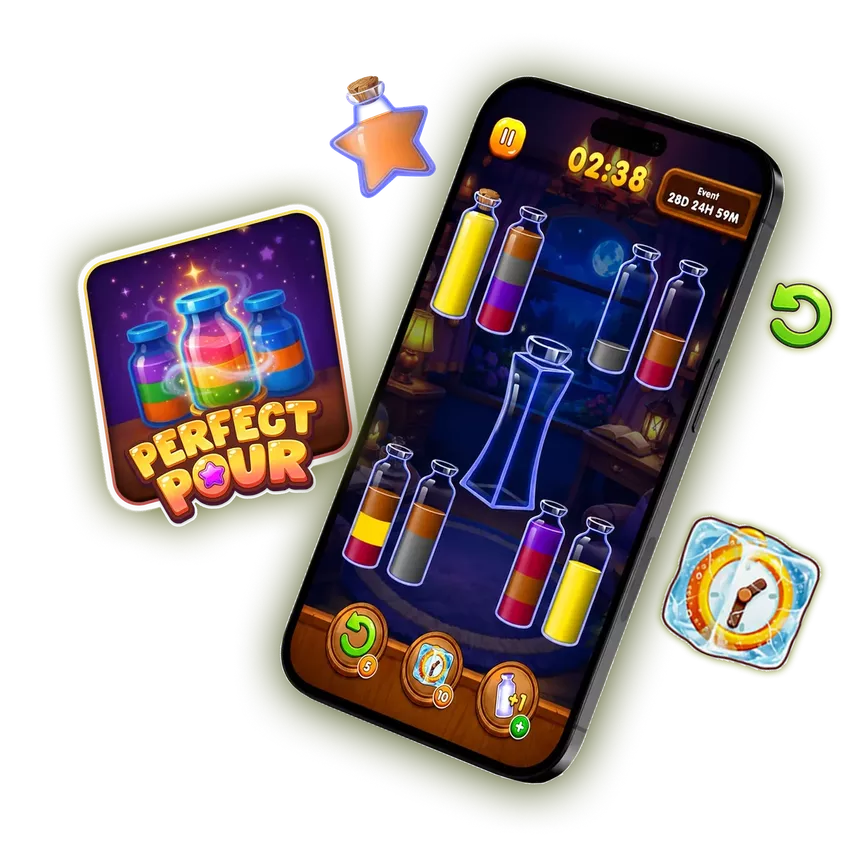
Mechanics, level progression, difficulty, boosters and satisfying feedback.
Puzzle game development ↗Readable controls, short sessions and progression beyond the first play.
Explore casual game scope ↗Rules, opponent behavior, shared tables and online modes where required.
Chess game development ↗Game feel, responsive input, character animation and replayable challenges.
Explore Runner Runner ↗Competitive or cooperative play, lobbies, sessions and reconnect journeys.
Multiplayer game development ↗Game discovery and multiple experiences within a shared player account.
Multigaming app development ↗Mobile game development services
A clear production scope connects creative decisions with engineering, testing and handover. Choose the work your product needs.
Core loop, rules, progression, difficulty, level structure and content workflows. Decide how players learn, advance and return.
2D or 3D assets, animation, UI and audio requirements. Review a coherent visual direction and touch-friendly layouts for target devices.
Game systems, saving and platform services. Scope accounts, multiplayer, purchases, ads, analytics or backend features where they belong in the product.
Functional testing, device coverage, performance targets and release builds. Assign store materials, account access and submission responsibilities.
Plan fixes, feature updates, events and content production separately. Agree support ownership, review cadence and the recurring budget.
Platform & technology decisions
Your player audience, visual goals, integrations and maintenance team shape the choice. Review the highest-risk gameplay on target devices before committing to full production.
Plan the iPhone and iPad experience around your target players and device coverage.
Include in the scopeApple integrations, device QA, signing, store materials and submission ownership.
Define supported phones and tablets, device tiers and the distribution plan.
Include in the scopeScreen layouts, memory and performance testing, platform services and release builds.
A shared codebase can support iOS and Android while keeping platform-specific work visible.
Include in the scopeSeparate integrations, device test coverage and release preparation for each platform.
Supports 2D and 3D mobile production for iOS and Android. Review gameplay systems, plugins, art workflow and the team’s ability to maintain the project.
Decision checkpointA playable device build that tests the mechanic, integration risks and performance targets.
Supports mobile game development with a dedicated mobile rendering path. Evaluate visual ambitions against the supported devices and production workflow.
Decision checkpointOn-device rendering and gameplay tests before expanding the art and content scope.
Engine references: Unity for mobile and Unreal Engine mobile rendering. For an existing game, assess the current build and migration costs first.
Beyond the playable build
The right scope makes release responsibilities and recurring costs clear. Choose the product work your game needs, with measurable acceptance criteria.
Align purchases, ads or premium access with progression. Define placements, reward rules and purchase failure or recovery journeys.
Review expected player concurrency, session behavior and geographic audience. Agree networking, hosting, access and operating responsibilities.
Test the agreed device matrix, including screen layouts, memory, loading, frame rate, saving and interruptions.
Define a limited release when it fits your plan. Use player evidence to prioritize updates, content and operational support.
A connected game may need player services, platform integrations and an operations plan. An offline game can use a much smaller scope. Define the systems your gameplay actually needs.
Gameplay, touch input, interface, progression, original art and device performance.
Design the player journey around the selected services.
Assign responsibility for backend behavior and operating costs.
Reviewable production
Use playable builds and agreed acceptance criteria to evaluate the work. Keep feedback, dependencies and scope changes visible throughout delivery.
Agree what each stage must demonstrate. Review the playable product and its supporting deliverables before committing to the next stage.
Define players, mechanics, first-release scope, platforms and technical dependencies.
Review outputPrioritized scope & proposalTest the core loop, touch controls and visual direction with a playable build.
Review outputPlayable mechanic & decisionsBuild content, art, progression, gameplay systems and agreed integrations.
Review outputMilestone builds & feedbackCheck devices, performance, saving, purchases and important player journeys.
Review outputQA report & release decisionsPrepare store builds and materials. Use a limited release if it fits the plan.
Review outputRelease package & launch checklistReview player behavior, prioritize fixes and plan the next content or feature update.
Review outputUpdate priorities & support planBudget & launch planning
A prototype, a content-rich first release and an online multiplayer game require different investments. Ask for an estimate that separates design, engineering, art, content, integrations, QA and release work.
The schedule follows that scope, review availability and external dependencies. Set milestone dates after discovery; platform review and approved changes can affect launch timing.
Choose the working arrangement
Commission a defined scope, add co-development capacity or plan ongoing support. Agree which team owns each workstream, how decisions are approved and what constitutes a completed milestone.
Put source code, project files, original assets, documentation and account handover in the agreement. Identify third-party licenses and pre-existing tools so future maintenance has a clear starting point.
Your US or Canadian launch
Share your target market, player profile and preferred meeting time zone. Include localization, target devices, planned distribution and monetization in the brief so they inform product scope.
Discuss your project through our Atlanta or Montréal contact point. Use the project form or view contact details.
United States contact point
6065 Roswell Rd, #450
Atlanta, GA 30328
Canada contact point
407 Boul St-Laurent #800
Montréal, QC H2Y 2Y5
Before you choose a partner
The estimate depends on gameplay complexity, content and art volume, platforms, integrations and testing coverage. Share your concept and budget range; the proposal should separate prototype, production, release and recurring costs.
A timeline follows the agreed scope, technical risks, content needs and review availability. Discovery establishes milestone dates and dependencies. Store review and scope changes can affect the launch date.
Yes. Agree the playable mechanic, assets and decisions the prototype must support. Use that review to decide the next production scope.
Both platforms can be included. A shared codebase still needs platform-specific integrations, supported-device testing and release work.
Choose against gameplay, visual goals, integrations and target devices. Test the important risks on-device. Existing-game work also needs a review of the current engine, plugins and maintenance team.
Original 2D or 3D art, animation and interface work can be scoped with the game. Define ads, purchases, economy rules and test cases explicitly in the integration plan.
Share your modes, session requirements and player audience. For an existing game, include the current build, engine, code access and production gap so we can assess dependencies before estimating.
Specify ownership, source-code delivery, original assets, documentation and account handover in the agreement. Identify third-party licenses, pre-existing tools and ongoing fees separately.
Agree the device matrix, QA criteria, store accounts, materials and submission responsibilities before release. Post-launch fixes, content, monitoring and support need defined ownership and scope.
Acquisition work must be included explicitly. Product development, store preparation and paid acquisition have separate deliverables and budgets. Agree launch measurement and commercial assumptions alongside the product plan.
From idea to a scoped next step
Bring a concept, reference game or existing build. Describe the first release you want to fund so the conversation can focus on scope, production priorities and a practical estimate.
Request a Mobile Game EstimateYour mobile game brief
Use the form below to share your concept, platforms, current stage and launch window. Include your budget range and US or Canadian target audience where relevant.
New game projects · worldwide
Share the idea, audience and ambition. We’ll reply with a practical view of scope, team shape, technology and the smartest first milestone.
01 / Scope
Clear assumptions, open questions and the right place to begin.
02 / Team
Full-cycle, co-development or dedicated specialists—built around ownership.
03 / Next move
Prototype, technical discovery or production planning—not a generic sales pitch.
Project brief / secure enquiry
Secure enquiry · NDA-first · No obligation