
Reach meaningful decisions sooner
Build the product identity around the part of chess where a small number of moves can change the outcome.
Search the native WordPress menu, then use the complete directory for every long-tail capability.
START WHERE EVERY MOVE MATTERS.
Less opening theory. More decisive play.
A focused chess format that starts with fewer pieces and puts endgame decisions at the centre of short, repeatable matches.
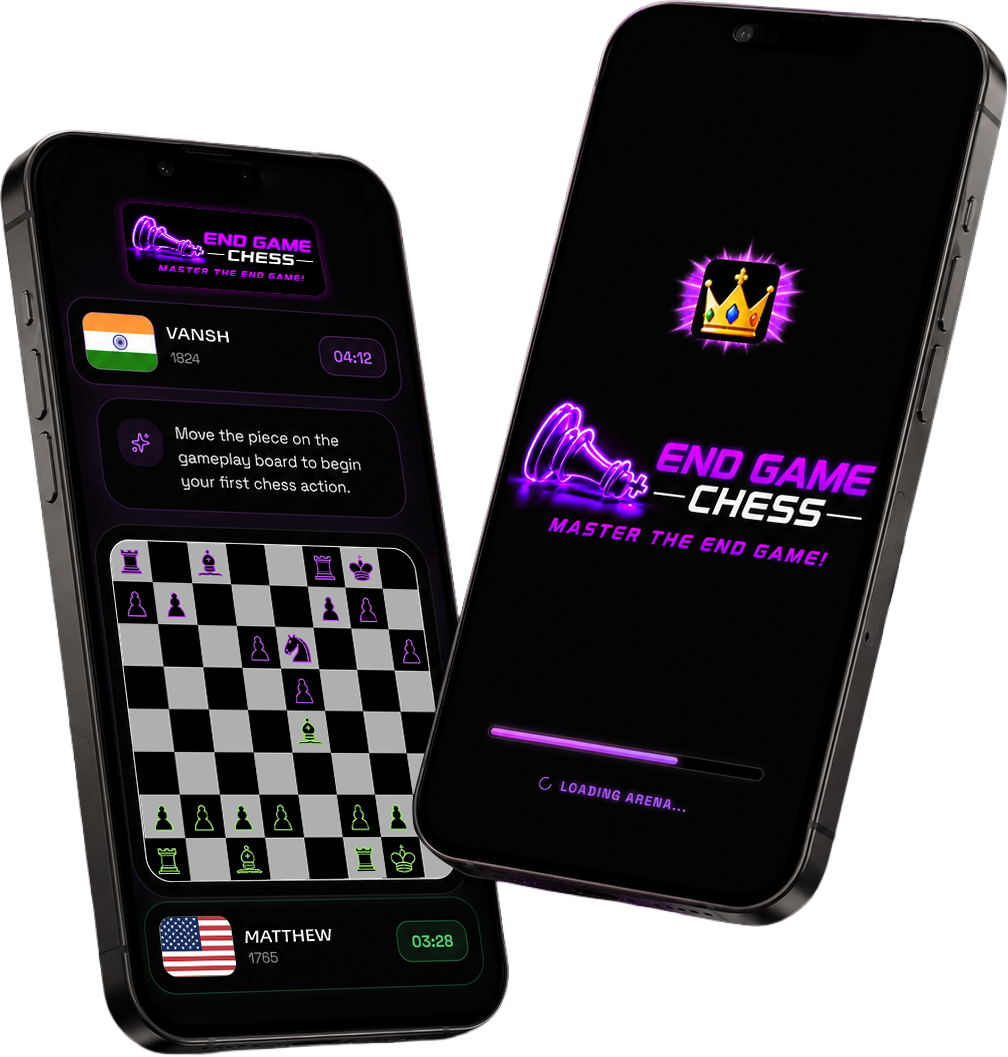
SCREENSHOTS & GAME SCREENS
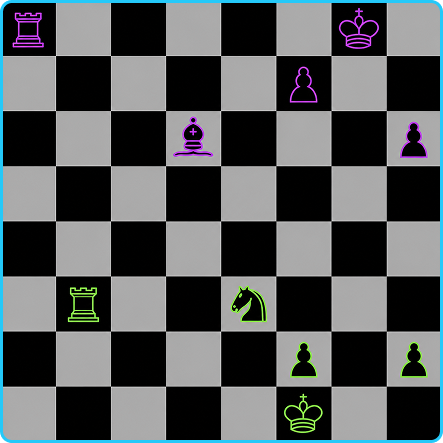
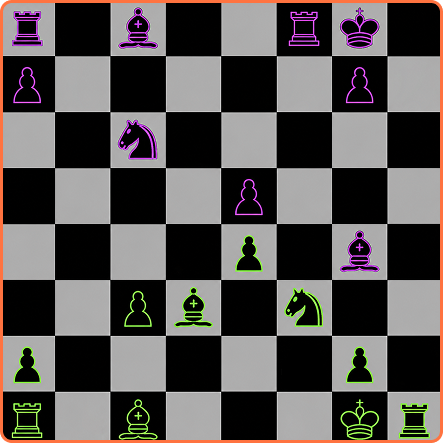
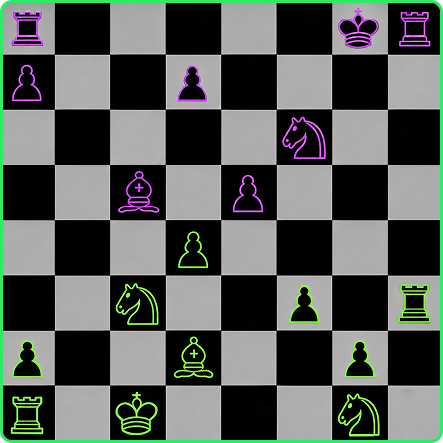
Original game-screen designs from the official website. These are scenario references, not verified App Store screenshots. Select an image to enlarge it.
THE PROJECT
End Game Chess changes the starting point of a familiar game. Rather than asking players to move through an opening and middlegame before reaching a reduced board, its public concept begins with limited pieces and puts the endgame first.
The official website describes short matches, matching material for both players, curated starting scenarios, and a progression from Rookie to End Game Chess Master. These are the publisher’s product descriptions, not independently measured session or balance results.
The design problem is to preserve the depth of chess while reducing the time needed to reach meaningful decisions. For a mobile experience, that also means making the board, turn state, and outcome easy to understand.
Build the product identity around the part of chess where a small number of moves can change the outcome.
Make the current position and player actions legible without burying the board under progression elements.
Connect repeated matches with skill tiers and achievements that help players recognise their progress.
THE PLAYER EXPERIENCE
The published concept makes the opening position itself the invitation to play. The player arrives at a tactical situation and starts making consequential choices.
Begin from a curated position with a reduced set of pieces.
Identify threats, opportunities, and the consequences of each candidate move.
Resolve the position through the match’s rules and turn sequence.
Return to another scenario while following the product’s progression and achievements.
CHALLENGES & SOLUTIONS
Design analysis connects each product challenge with the response visible in the references. Proposed engineering measures are identified separately.
THE CHALLENGE
Players recognise chess, but may expect the usual full board. An unexplained reduced position can feel incomplete.
PRODUCT RESPONSE
The website makes the endgame-first premise central and shows example starting boards beside the explanation.
Why it matters The unusual setup becomes the product’s purpose rather than a surprise.
THE CHALLENGE
Equal material is easy to describe, but material alone does not guarantee equal chances in every position.
PRODUCT RESPONSE & BALANCE REVIEW
The product describes matching material and a curated scenario collection. A recommended balance review would also examine piece placement, turn order, and position evaluation.
Why it matters A credible scenario format needs more than identical piece counts.
THE CHALLENGE
A short format can feel shallow if speed replaces decision quality. The challenge is to remove setup while preserving meaningful choices.
PRODUCT RESPONSE
The format concentrates on endgame positions, where fewer pieces still create tactical and strategic decisions.
Why it matters Shorter entry time can coexist with depth in the position.
THE CHALLENGE
Ranks and achievements can motivate players, but excessive visual emphasis can compete with the active match.
PRODUCT RESPONSE
The public presentation separates scenarios, skill tiers, and achievements into distinct parts of the experience.
Why it matters The board remains the immediate task; progression supplies a longer horizon.
THE CHALLENGE
Chess depends on exact rules. Move validation, terminal positions, and interrupted sessions need consistent treatment.
PROPOSED ENGINEERING RESPONSE
A recommended implementation would use a single validated rules model and persist the confirmed move sequence for recovery.
Why it matters The result should follow the position and rules, not a device-specific interpretation.
THE CHALLENGE
Small screens and interrupted sessions create a need for clear state. A returning player must quickly know whose turn it is.
PROPOSED ENGINEERING RESPONSE
A recommended recovery flow would restore the last confirmed position, active side, and match status before accepting another move.
Why it matters Resuming a match should not introduce uncertainty about the board.
ART DIRECTION & UX
The supplied references combine dark interfaces, bright achievement artwork, and recognisable chess pieces. The board’s readability should remain the organising principle.
Pieces, squares, selected moves, and turn information need stronger clarity than decorative effects.
Achievement artwork can give progress personality outside the main decision area. It should not obscure a move or result.
Showing a reduced starting board communicates the endgame-first idea more directly than a long introduction.
The supplied Chess Ui Design_NEW file contains Page 1, Web, and Icons pages. The selected reference shows bright purple chess-themed achievement artwork, supporting a distinct visual language for progression alongside the board experience.
PRODUCT FEATURES
Matches begin with a limited number of pieces instead of the traditional opening setup.
The website advertises 50 starting scenarios. This is a published product count, not an audited content inventory.
The format is described as giving both players matching material at the start.
The website presents a 5–10 minute play format; individual sessions may differ.
The public progression moves from Rookie through increasingly advanced levels to Master.
Named badges and the King’s Crown give progression a recognisable visual identity.
DEVELOPMENT APPROACH
The production challenge is not only drawing a chessboard. The scenario library, rule handling, match state, and progression need to agree on what happened in a game.
The approach below is a proposed delivery framework for this product. It is not a record of unverified production milestones or technology choices.
Specify the starting-material rules, turn order, match endings, and how scenarios are selected.
Check every position for legal setup, terminal states, and potential starting-side advantages.
Make selection, move feedback, promotion choices, and invalid actions clear on touchscreens.
Resolve results from the confirmed game record and define how each result affects rank or achievements.
Test interruptions, reconnection, app restarts, and different screen sizes before release.
QUALITY & RELEASE READINESS
These recommended checks address the precision a chess product needs. The supplied materials do not include a completed engine audit or balance report.
PROGRESSION & THE BUSINESS MODEL
Skill tiers and achievements give repeated matches a broader context. The board supplies the immediate problem; the surrounding progression makes the player’s longer journey visible.
The website positions the game as free to download and describes both iOS and Android experiences. Its store buttons currently point to page anchors, so this study does not treat them as verified store availability.
The supplied references do not confirm a monetisation model. Advertising, subscriptions, paid entry, and in-app purchases are therefore not presented as implemented features.
OUTCOMES & NEXT STEPS
The visible outcome is a clearly communicated chess format and supporting design work. Release availability and commercial performance need their own evidence.
The official site explains a coherent alternative to playing through a conventional full game.
Scenario imagery, progression artwork, and the supplied design file describe the intended experience.
Scenario balance, match completion, recovery success, and repeat sessions would provide meaningful validation.
*Session length, scenario count, and skill-tier count are claims from the official website. Live app-store availability, launch date, installs, revenue, and measured learning outcomes have not been verified.
LESSONS FROM THE PRODUCT
The reduced setup is valuable because it brings the desired kind of decision forward.
Position quality and side-to-move advantages still deserve explicit review.
Recognition works best when it adds meaning around play without competing with the board.
PROJECT QUESTIONS
Its published concept begins with limited pieces and focuses on endgame positions instead of starting from the standard full board.
The official website describes 5–10 minute sessions. This is product positioning, not a measured average supplied for this study.
No. Piece placement and turn order can matter as much as the material count, so scenario evaluation remains important.
The website advertises 50 curated starting scenarios. The underlying scenario inventory has not been independently audited.
The site describes iOS and Android, but the inspected download buttons point to page anchors. Store release availability is not confirmed here.
No. The references establish the product concept and design direction, not the internal engine, backend, or completed QA results.
YOUR NEXT GAME STARTS WITH A CLEAR IDEA.