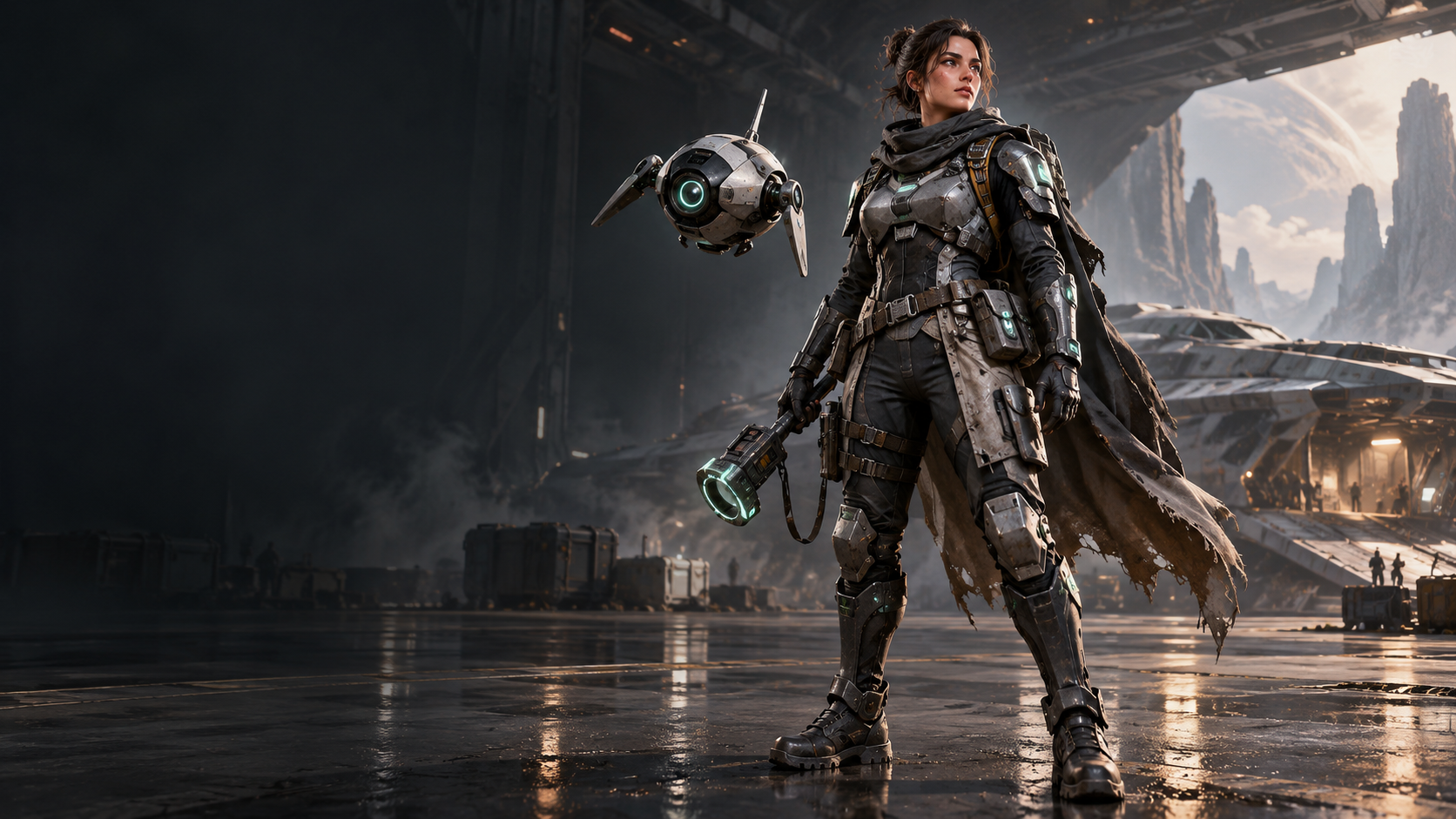
Original cinematic science-fiction environment with monumental architecture and atmospheric lighting

Unity game production / 2D & 3D

Unity Game Development Company

Build the game.
Bring the world to life.

Capermint is a Unity game development company for 2D and 3D games. Connect game design, art, engineering and release across PC, console, mobile and web.

Full production, co-development or a focused workstream for your existing game.

Unity game development services

Unity game development, from art to engineering.

Bring together the gameplay, visual craft and engineering your production needs. Define the complete game or commission a workstream that connects with your team.

Original character-production concept: armored explorer and reconnaissance drone
Character design. Animation. Gameplay.

Explore your production scope

Gameplay & character production

Game design & gameplay engineering

Translate mechanics into C# gameplay systems: interactions, progression, inventory, abilities, saves and game states. Prototypes and vertical slices test the highest-risk parts before content production expands.

Characters, animation & combat

Scope movement, camera behavior, animation integration, character abilities and combat feedback around the intended feel. Connect models, rigs, state changes, effects and player input in representative encounters.

Worlds, AI & simulation

3D worlds, environments & levels

Build the visual and interactive space: environment assets, level layouts, terrain, lighting, materials and scene organization. Plan content density, navigation and loading against the target hardware.

AI, physics & simulation

Define AI behaviors, navigation, interactions, collision and physics requirements. Vehicles, opponents and simulation rules need repeatable test scenarios and a clear balance between fidelity, game feel and runtime cost.

Multiplayer, 2D & integrations

Multiplayer & connected systems

Plan authority, synchronization, matchmaking, reconnection and persistence before choosing netcode and services. Scope hosting regions, player scale, monitoring and operating costs alongside the online gameplay.

2D production, UI & integrations

Create distinctive 2D gameplay, animation and interfaces. Integrate purchases, platform services, analytics or ads with clear data responsibilities, SDK compatibility and transaction testing.

Optimization, ports & release

Optimization, ports & release

Profile actual builds, adapt input and presentation for each platform, resolve measured bottlenecks and prepare release candidates. Plan continued content and support as defined production workstreams.

Worlds, characters & player systems

A world to explore.
A game worth playing.

Visual ambition and gameplay have to work together. Shape the production around the experience, from a detailed 3D environment to the response of a character, vehicle or opponent.

Original expansive 3D environment with layered terrain, architectural detail and atmospheric light

Environment & visual production

Give the world its identity.

Set the art direction, environment language and level structure together. Connect characters, props, textures, animation, shaders and VFX through a content pipeline the team can maintain.

For high-fidelity 3D, assess lighting, shadows, post-processing and material complexity in representative scenes. Use LODs, visibility, scene loading and content budgets where appropriate to keep the intended experience within platform limits.

Original cinematic racing scene with an unbranded sports car, wet alpine road and coastal landscape

Gameplay & genre systems

Make every interaction count.

Action and adventure need responsive movement, camera and combat. RPG and simulation projects introduce progression, inventory, agents or interconnected rules. Racing and sports bring vehicle behavior, timing, opponents and competitive feedback.

Choose the systems the game needs, then test how they feel together. Animation, AI, physics, audio and effects should support the player’s decisions as well as the visual presentation.

Unity across platforms

PC. Console. Mobile.
Built for the player.

Choose the platforms around the audience and the game. Shared Unity source connects production; controls, graphics, services, publishing and acceptance still need platform-specific work.

Original fantasy world concept used to illustrate a large-screen presentation

Large-screen worlds

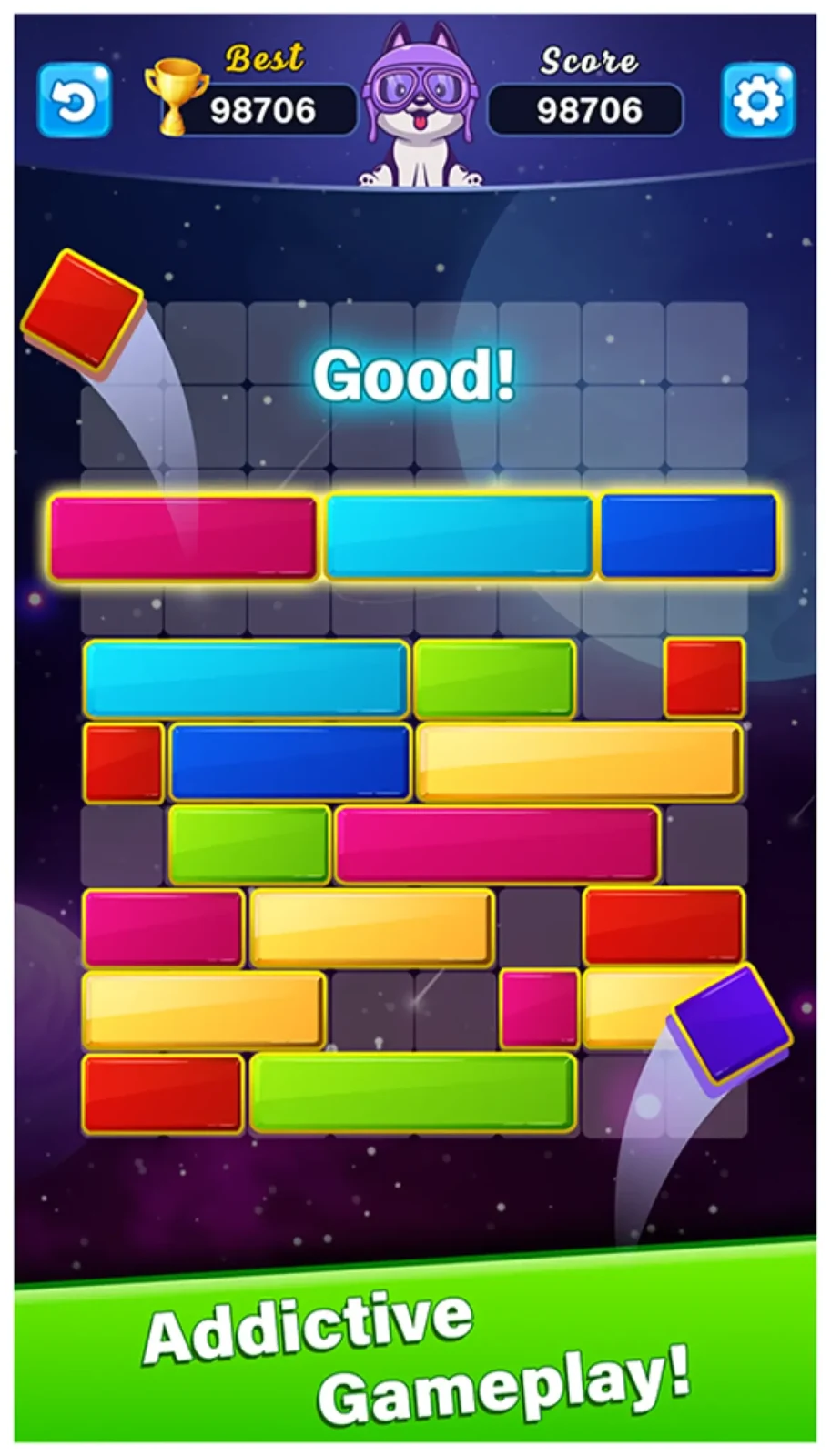
Drop Master puzzle gameplay
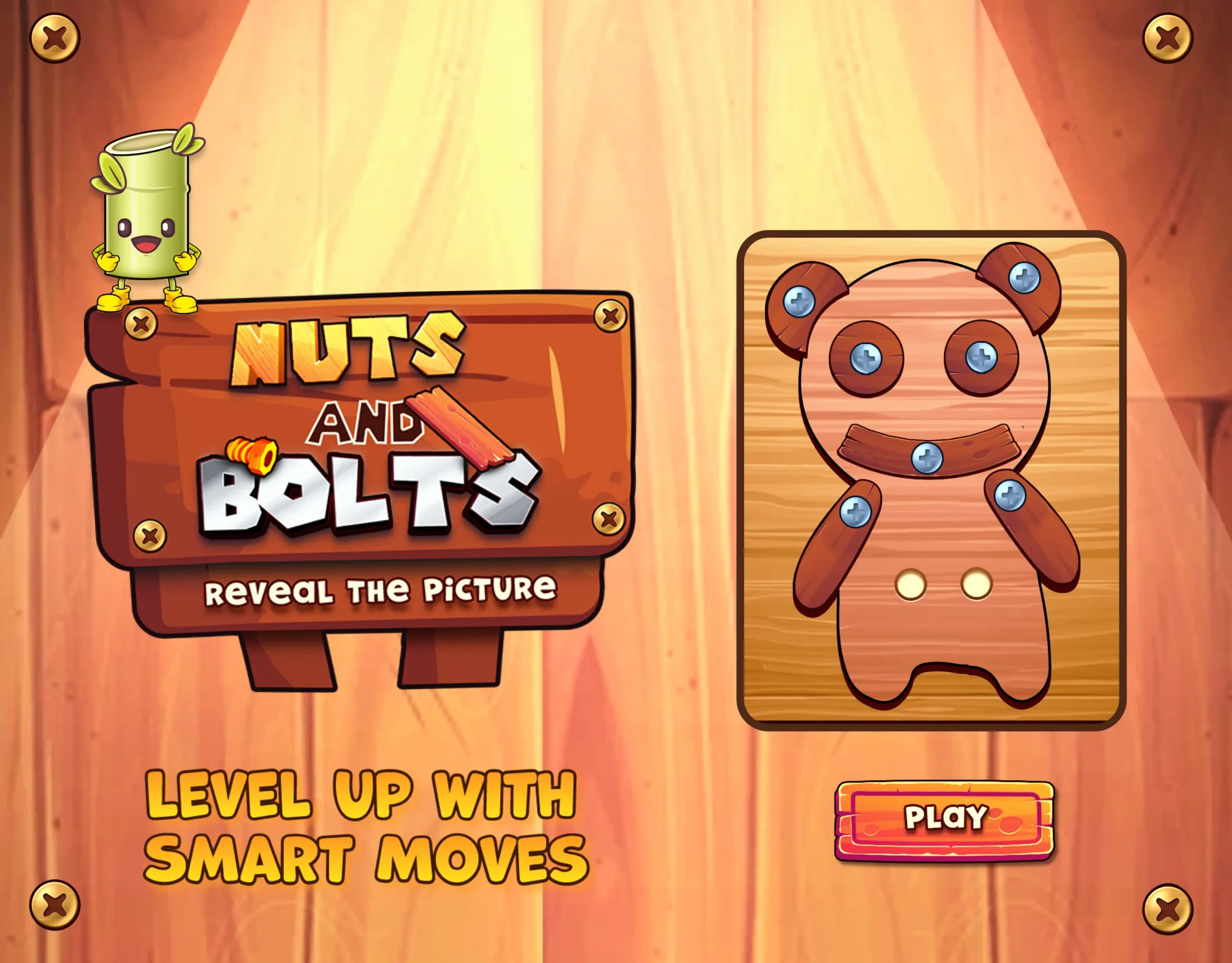
Wood Nuts and Bolts puzzle artwork

One production. Target-specific decisions.

Design for the way
players actually play.

Input, screen, rendering and release requirements shape each build.

Platform decisions for the production brief
Target Scope the experience Prepare to review
PC Operating systems, graphics tiers, controls, display settings, installation and distribution. Representative hardware, input and graphics options, save behavior and release builds.
Console Platform access, hardware, supported tooling, controls and platform-holder requirements. Requires relevant platform approvals, developer access and supported tooling; agree target-hardware testing and certification/release responsibilities.
iOS & Android Touch controls, screen layouts, device tiers, native SDKs, purchases and store services. Physical-device builds, sustained-play checks and platform release responsibilities.
Web Supported browsers, loading/memory limits, input, networking and integration compatibility. Hosted playable builds, browser-specific behavior and realistic network conditions.
XR Named devices, tracking, interaction, comfort, frame pacing and deployment requirements. On-device sessions and acceptance against the intended physical play environment.

On smaller screens, scroll the table within this panel.

For device-specific delivery, explore our mobile game development, iOS and Android services. Platform accounts, approvals and required licenses remain part of project planning.

Choose your starting point

A production partner.
At the stage you need.

Start a complete game, connect with an established team or advance an existing Unity production. Agree the responsibilities and outputs that fit your project.

Original explorer character concept

01 / New Unity game

Build a new Unity game

Shape design, gameplay, visual production and release planning around the audience, game loop and target platforms.

  • Test the essential mechanic and visual direction.
  • Define gameplay, art, UI and online scope.
  • Agree the first release and review gates.

Bring: A concept, references, GDD or early prototype.

Plan a new game

Original racing gameplay concept

02 / Existing Unity build

Move the production forward

Assess an unfinished feature, unreliable build, performance issue or content bottleneck before expanding the commitment.

  • Review source, build health and dependencies.
  • Reproduce the issue and identify priorities.
  • Define the next deliverable and acceptance.

Bring: Repository access, a build and the current issue list.

Discuss your current build

Original expansive fantasy world concept

03 / Port or upgrade

Expand with a clear baseline

Review a new target, editor upgrade or rendering change against existing gameplay, assets and platform requirements.

  • Check plugins, packages, licenses and tooling.
  • Scope input, UI and integration changes.
  • Preserve behavior, saves and a rollback path.

Bring: The current project, target platform and desired change.

Assess a port or upgrade

Choose delivery ownership. Unity game development outsourcing can give Capermint responsibility for a defined milestone or complete production. Co-development needs an agreed division of work. For specialists working within your roadmap and reviews, explore hiring Unity developers.

Selected Unity game production

Unity work.
Distinct game identities.

Explore Unity game production across a 3D runner and two distinct puzzle experiences. Follow the work, contribution and available store listings.

Drop Master jewel puzzle board with colorful blocks and line-clear effects

Sliding-block puzzle

Drop Master

A mobile puzzle developed in Unity around direct touch input, line clears and cascading feedback. Explore the interaction, visual effects and game presentation.

Wood Nuts and Bolts wooden bear puzzle artwork with screws and layered pieces

Screw puzzle

Wood Nuts & Bolts

Unity game design and development, art, interaction polish, testing and release preparation for a tactile puzzle experience.

“I hired capermint for unity 3d game development.”

A game consulting company’s director identifies the engagement as Unity 3D game development in an October 2021 Clutch review. The client describes a four-person team, Basecamp project coordination and satisfaction with the delivered output.

Anonymous director, game consulting company
Clutch review · October 2021
Read the client review

Rendering, tools & team production

Build the pipeline.
Scale the production.

Choose the rendering, asset and engineering workflow around the game’s visual goals, supported hardware and people maintaining it.

Original game-world concept illustrating the environment content pipeline
Art directionReusable contentPlayable scenesRelease builds

Rendering that fits the game

Assess URP, HDRP or an existing Built-in pipeline against platform support, art direction and asset compatibility. Plan lighting, shaders, materials and VFX around representative scenes. A pipeline change needs its own visual-production and compatibility scope.

Assets & world content

Define scenes, prefabs, naming, import settings and asset budgets. Use Addressables or other loading workflows where useful, with memory, caching, updates and failure behavior tested in the game.

Tools for the production team

Scope level tools, reusable gameplay components, data authoring and validation around recurring work. Document workflows so designers, artists and engineers can review changes together.

Compatible, reproducible builds

Record editor and package versions, dependencies, target toolchains and build instructions. Use version control, review and appropriate build automation; assess upgrades against a working baseline and rollback plan.

Comparing Unity with Unreal Engine? Review gameplay, visual requirements, platforms and team workflow. Moving from another engine can require rebuilding systems; it is different from porting a Unity project or changing its rendering pipeline.

Performance & acceptance

Visual ambition.
Measured performance.

Agree frame pacing, memory, loading and gameplay targets on representative hardware. Review results from the build being accepted, including demanding scenes and sustained play.

Original racing scene illustrating a demanding gameplay scenario
Test the experience in motion.Gameplay · Frame pacing · Memory · Loading · Network behavior

Profile CPU, GPU, allocations, memory and loading on target builds, then prioritize the measured bottlenecks. For CPU-heavy systems, assess Jobs, Burst or ECS when the workload supports that choice. Compare fixes under the same gameplay and hardware conditions.

Test character, AI, physics and content systems together. Online sessions need latency, packet-loss, disconnect and rejoin scenarios; purchases need platform-specific fulfillment and entitlement checks.

From visual target to release evidence
  1. Representative sceneChoose gameplay, content and hardware that expose the real production risks.
  2. Playable buildProfile frame time, memory, loading and network behavior in context.
  3. Acceptance recordReview agreed targets, remaining issues and the release decision together.
Agree the target. Record the evidence.
Area Agree before implementation Review with the build
Gameplay & content Rules, input, level progression, save compatibility and expected failure behavior. Playable scenarios, regression checks, completed scope and open issues.
Performance Device/session coverage and budgets for frame pacing, memory and loading. Profiler captures, test conditions and results against the agreed targets.
Online & commerce Authority, reconnection, purchases, service dependencies and data responsibilities. Network and transaction scenarios, relevant load checks and integration results.
Release Account/signing access, supported builds, SDK review and release owners. Release candidate, known-issue list, required materials and client decisions.

Scroll the table within this panel on a narrow screen.

Unity documents target-device profiling and platform requirements. Use the documentation for the project’s actual editor and package versions when planning implementation.

How delivery moves forward

From production plan
to release candidate.

Connect discovery, production and release through reviewable outputs and a named owner for each decision.

  1. Original character concept for production direction
    01

    Frame the scope

    Review the concept or build, target platforms, dependencies and delivery gap.

    Agree

    Responsibilities, assumptions, acceptance and the first milestone.

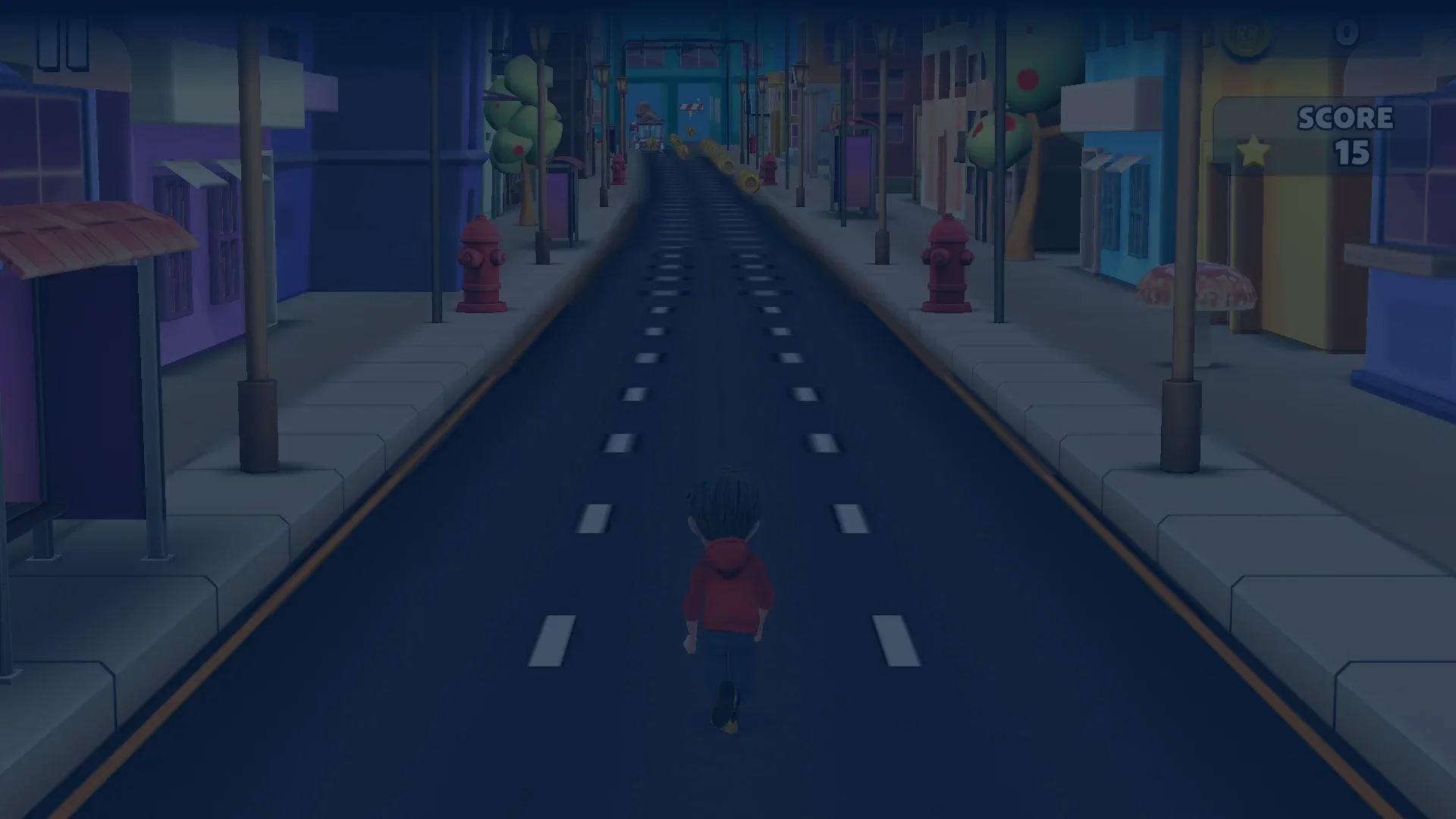
  2. Runner Runner portfolio game scene
    02

    Validate the direction

    Validate representative gameplay, visual direction and the highest-priority technical risks.

    Review

    A playable prototype, assessment or focused implementation.

  3. Original game-world production concept
    03

    Build & integrate

    Produce the agreed systems and content with code review and QA.

    Inspect

    Playable milestones, completed work and decisions for the next cycle.

  4. Original racing scene for representative gameplay testing
    04

    Prepare the release

    Complete target checks, regression and the agreed submission materials.

    Accept

    Release candidate, test records, known issues and client approvals.

  5. Wood Nuts and Bolts portfolio artwork
    05

    Hand over & continue

    Transfer the agreed project outputs and establish ongoing responsibilities.

    Maintain

    Build instructions, access, dependencies and a defined support plan.

Runner Runner city scene from the Capermint portfolio
A practical delivery packageSource. Content.
Your next build.
Versioned project · Editable assets · Build instructions

Ownership & handover

Your next release
needs continuity.

Agree what your team receives and how it can keep building.

Put commissioned-code and asset rights in the agreement. Identify third-party restrictions separately, including editor seats, Asset Store assets and middleware.

Your business should control the relevant repository, publishing and service accounts. Document access roles, signing and environment responsibilities so a change of team does not leave the release dependent on missing credentials or configuration.

The delivery package

Make the handover practical.

  1. Project & contentAgreed source, scenes, prefabs, configurations and editable commissioned assets.
  2. Build instructionsEditor/package versions, toolchains, build settings and required access.
  3. Dependencies & rightsPackages, external services, license responsibilities and continuing costs.
  4. QA & release recordsTest coverage, profiling, known issues and release decisions.
  5. Service continuityAccount roles, backend documentation and support ownership.

Review Unity Asset Store terms for the actual assets and procurement arrangement.

One project. A team that can keep building.
Your Unity projectSource · content · configuration
Build againVersions, packages and build instructions
Release againSigning, publishing and QA records
Operate againService roles, dependencies and support

Unity game cost & planning

Turn your game brief into a production plan.

Send the concept or current build, platforms, content needs, integrations, budget context and launch constraints. A useful estimate makes assumptions and exclusions visible.

Runner Runner game world from the Capermint portfolio
Gameplay & world scope
Drop Master jewel puzzle gameplay
Rules & systems
Wood Nuts and Bolts bear puzzle artwork
Art & content

Different games. Different production needs.

Your production brief

What are we building?

The experience
Core loop, reference games and target players
The release
Platforms, launch markets and first playable scope
The production
Content, team responsibilities and technical dependencies
The commitment
Budget context, review gates and launch constraints
Production effort

Mechanics, content volume, art, UI, backend and current source quality determine the work. Additional platforms and services add implementation and review dependencies.

Continuing costs

Separate development from engine plans, licensed assets, hosting, service usage, platform charges and ongoing updates. Define who procures and operates each dependency.

Unity buyer questions

Clear answers.
A better starting point.

Decisions about the game, current project, target platforms and the team that will maintain it.

Original explorer character and drone concept artwork
Can you build high-fidelity or AAA-style games in Unity?

Unity supports sophisticated 3D production, but an AAA-style reference is a quality target to define. Review the art, worlds, character systems, multiplayer, hardware and content scale. We scope the relevant production workstreams and acceptance tests around that brief; a particular visual or performance result requires the corresponding budget, team and testing.

Can we start with a concept or prototype?

Yes. Bring the core idea, reference games and intended audience. A first milestone can test the central interaction, visual direction or a technical risk in a playable prototype. Decide which question it must answer before expanding the content and production budget.

Can you take over an existing Unity project?

Start with the repository, a current build, known issues and the editor/package versions. Review whether the project builds reliably, which dependencies it needs and what is blocking progress. That assessment helps separate immediate fixes from larger architectural or content work.

What determines Unity game development cost?

Gameplay, content volume, art, target platforms, source quality, multiplayer, integrations and test coverage drive the estimate. A useful proposal connects each workstream to deliverables and assumptions. Keep engine plans, licensed assets, hosting, external services and ongoing updates visible in the budget.

How long does a Unity game take to develop?

The schedule depends on the playable scope, team, content pipeline, existing code and review dependencies. Prototype, production and release are different milestones. A scoped plan should show client approvals, external access, test coverage and change decisions before committing to a delivery date.

Which platforms can a Unity project target?

Assess mobile, PC, web, console or XR against the actual game, engine packages, rendering and platform requirements. Shared source can reduce repeated work, while controls, UI, SDKs, memory limits and publishing still need target-specific implementation and testing. Console access requires the relevant platform approvals.

Can you port a game or move it from another engine?

A Unity port adapts an existing project for another target. Moving from another engine can require rebuilding gameplay code, integrations and parts of the asset workflow. Review the source, licenses and intended behavior first; changing the render pipeline is another separate compatibility and art task.

Which Unity version and render pipeline should we use?

Choose a supported editor and package set around target hardware, art requirements, dependencies and future maintenance. Compare the current pipeline with the proposed change using representative scenes. A new editor or rendering pipeline should earn its place through compatibility checks and playable review builds.

Can you improve frame rate, memory use or loading?

Reproduce the problem on agreed hardware, then profile representative gameplay. Identify CPU, GPU, allocation, content or loading bottlenecks before choosing fixes. Compare results under the same conditions, including longer sessions where relevant, and record remaining issues against the acceptance plan.

How do you scope Unity multiplayer?

Define players per session, state authority, matchmaking, reconnection, persistence and launch regions. Then choose netcode, player services, backend and hosting to fit the game. Plan adverse-network and load testing, service costs, monitoring and incident ownership alongside the gameplay implementation.

How does your team work with our production team?

Agree ownership of the backlog, repository, design decisions, code review, testing and releases. Managed delivery gives Capermint an agreed output to own. Co-development divides responsibilities across teams. Set review cadence and working-hour overlap around your production lead and decision makers.

Can we hire Unity developers for our existing team?

Yes. If your team owns the roadmap and wants additional specialist capacity, explore our Unity developer hiring options. Define the required role, current stack, onboarding access, code-review process and expected collaboration before choosing the engagement.

What are the stages of Unity game development?

A practical sequence is discovery, a first playable, production milestones, release-candidate testing and handover. Each stage needs reviewable outputs and acceptance decisions. Existing projects may begin with a build assessment; upgrades and ports also need a baseline and rollback plan.

Can you customize the game and its integrations?

Scope mechanics, character or combat systems, AI, physics, visual style and content tools around your requirements. Purchases, ads, analytics, native features or account systems introduce their own SDK, data and testing dependencies. A technical assessment should confirm feasibility and ownership before those integrations become delivery commitments.

Can you add levels, features and live content?

Plan new levels around the existing rules, difficulty curve, art pipeline and save compatibility. New modes and live events may also need backend, economy and analytics changes. Separate content production from defect support, and agree rollout, testing and approval responsibilities for each update.

Who owns the source code, assets and accounts?

Put commissioned-code and art ownership in the agreement, alongside repository access and the handover checklist. Third-party engines, packages and assets retain their own license terms. Your business should control the relevant publishing and service accounts, with roles and transition responsibilities documented.

Are Unity licenses and hosting included in the quote?

The proposal should identify the applicable editor seats, asset or middleware licenses, cloud services and platform charges, and who purchases them. Some are recurring operating costs. Review the actual project requirements and current supplier terms; a development fee does not automatically include every external subscription.

What support continues after launch?

Define the defect-support period, supported builds and response arrangements in the agreement. Platform or SDK updates, monitoring, new features and LiveOps can be separate workstreams. Confirm who maintains repositories, publishing access and running services, and how future changes are estimated and approved.