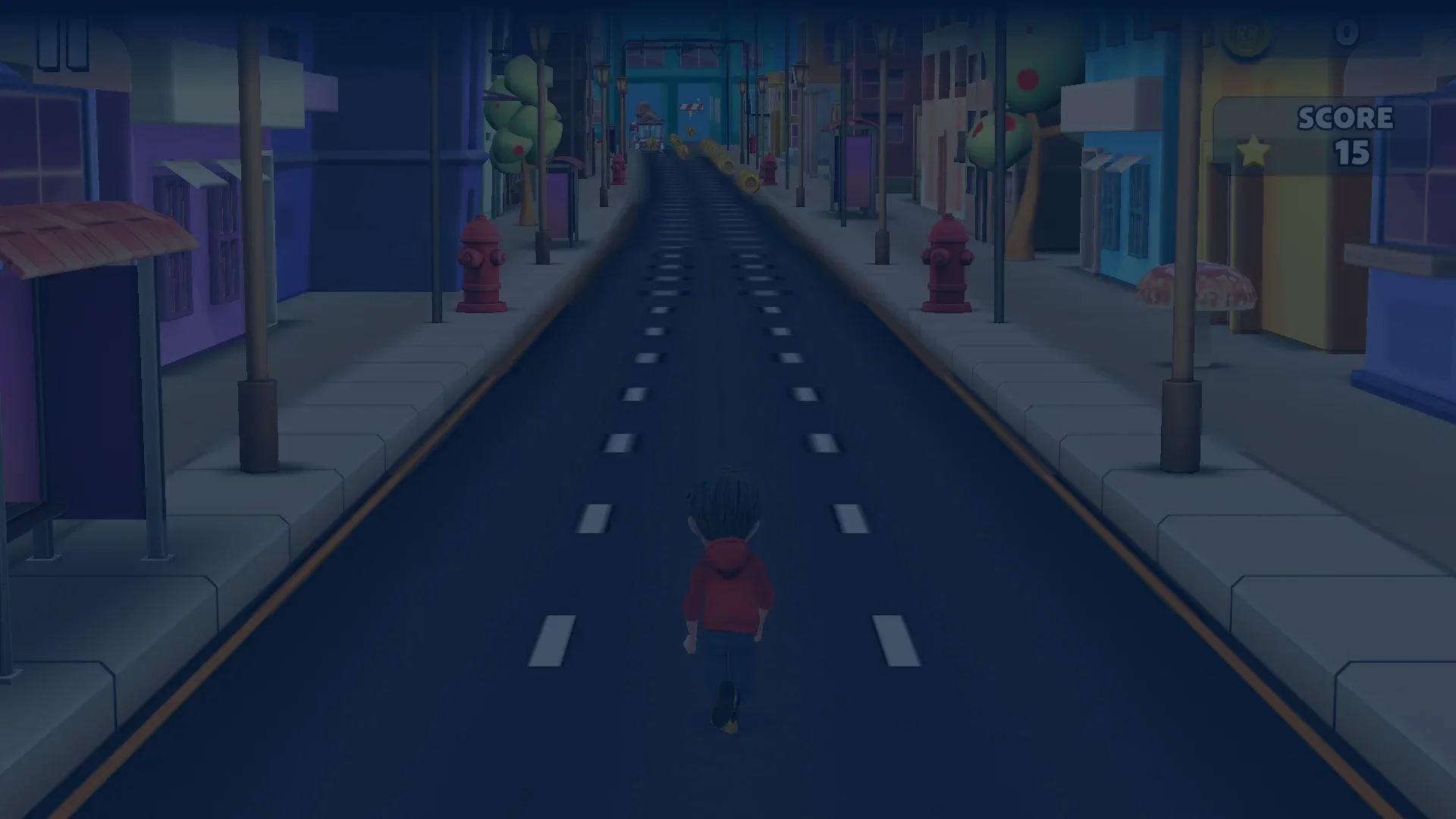
Runner Runner city gameplay environment with a character, traffic obstacles and coin route

Capermint / Android game production

Android Game Development Company

Designed for play.
Built for Android.

Capermint creates 2D and 3D Android games, connecting gameplay, art, online systems and Google Play delivery around your target devices.

Runner RunnerExplore the project

Selected Android games

See the game.
Understand our role.

Explore two Android games, from layered screw puzzles to a fast-moving runner. Visit the case studies for our production work and the store pages for the games.

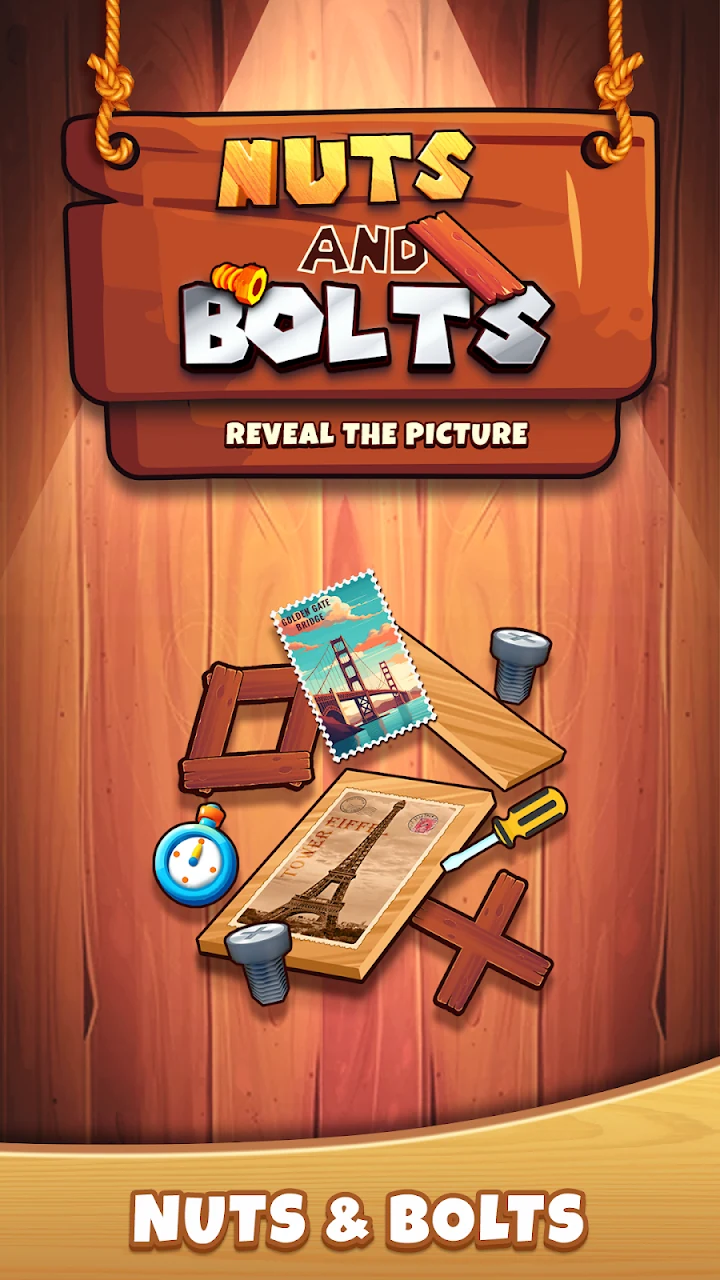
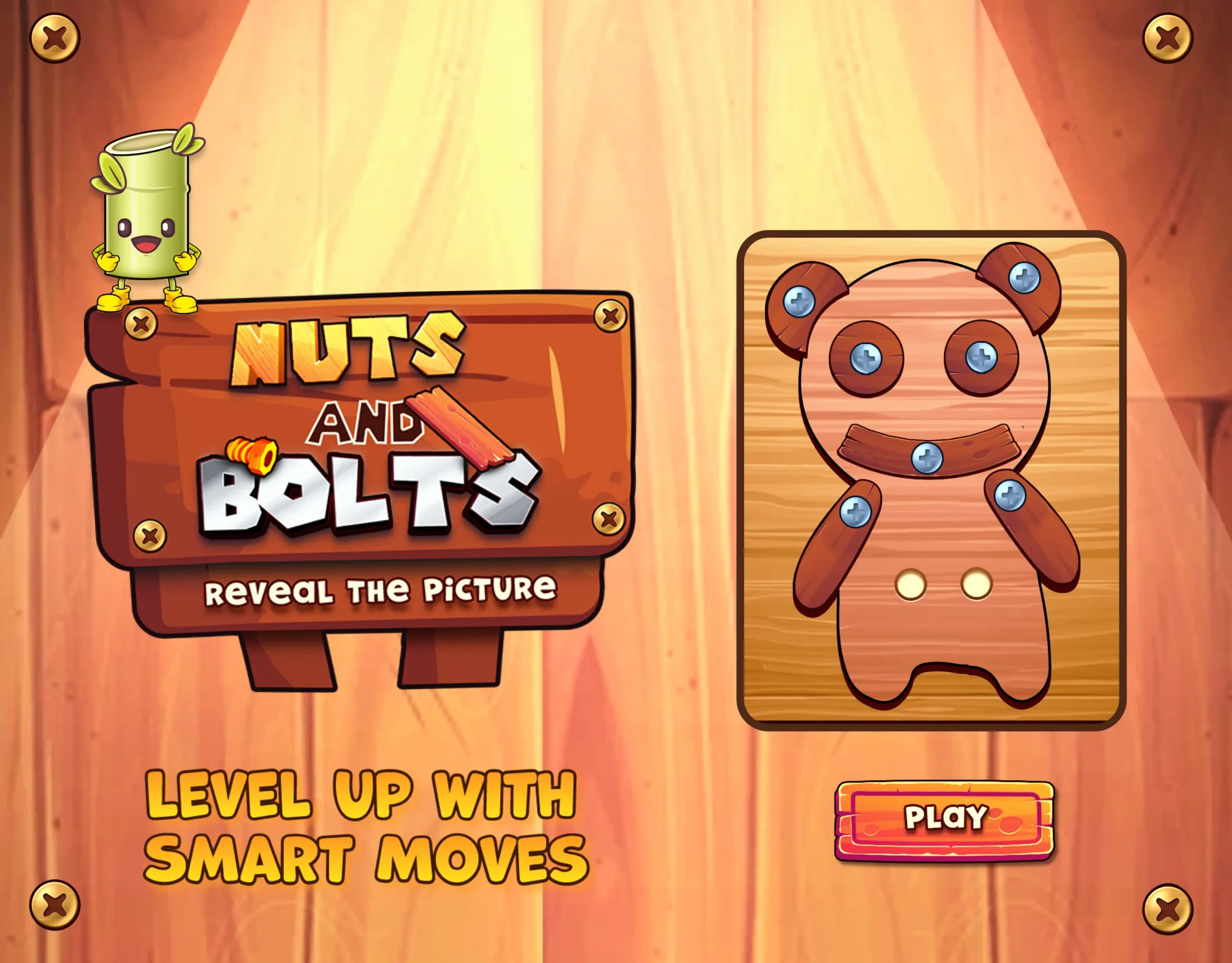
Wood Nuts and Bolts puzzle artwork with a wooden bear, screws and layered pieces

Puzzle / design and development

Wood Nuts & Bolts

Our work on this screw puzzle covers design, development, art and interaction polish, testing and store preparation.

Available on Google Play as Nuts and Bolts: Reveal Picture from Zen Gamer Studios Inc.
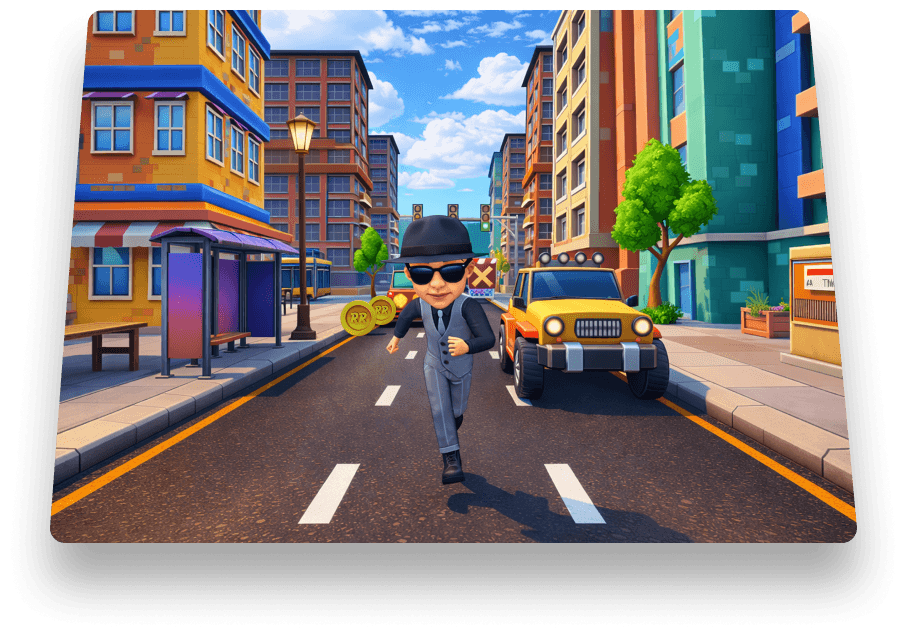
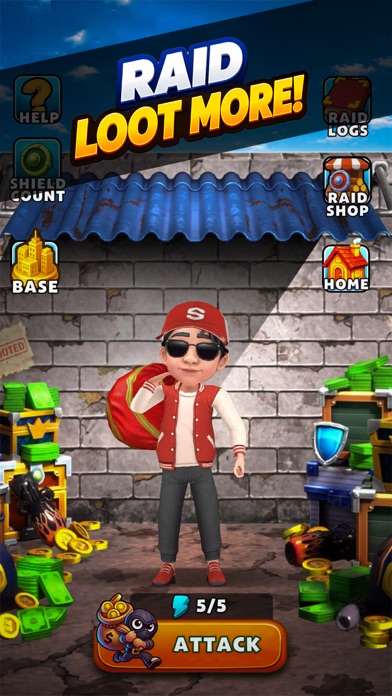
Runner Runner illustration with a suited runner, city street and taxi

Runner / 3D mobile game

Runner Runner

PlaySphere Studios’ review covers our consultation, design and UI, 3D art and animation, mobile development and backend work.

Available on Google Play from XA Interactive Inc.

Android game development services

Build the game.
Connect the experience.

Combine the workstreams your production needs, with clear owners for the interfaces between them.

Runner Runner city world artwork showing traffic obstacles, a character and the coin route
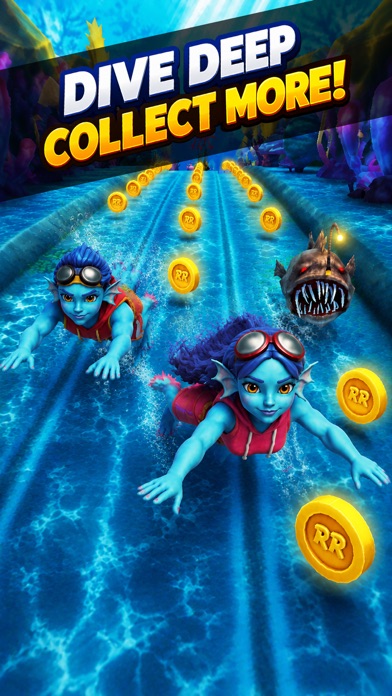
Runner Runner promotional game image showing characters running along a city street
TOUCH & INPUTSCREEN & LAYOUTASSET BUDGET
Runner RunnerWorld & gameplay production ↗

Design the play. Fit the device.

From the game world
to the player’s hands.

Design, 2D / 3D art & UI

Core loop, progression, levels, characters, animation and effects. Set asset budgets and touch layouts so the visual direction fits the intended hardware.

Gameplay & platform integration

Controls, game systems, save behavior and Android services. Review native plugins and SDK dependencies where the engine connects to the platform.

Backend & multiplayer

Accounts, progression, matchmaking and online play. Define authority, latency expectations, reconnection, security boundaries and ongoing hosting responsibilities.

Build the product around play

Progression to purchases.
Testing to the next update.

Monetization & product analytics

Purchases, rewarded ads or subscriptions where appropriate. Agree the economy, transaction tests, event definitions and service accounts needed for product decisions.

QA, profiling & release support

Gameplay, compatibility and performance checks on the agreed matrix. Combine representative manual play with suitable automated reports and test loops.

Maintenance & LiveOps

Compatibility fixes, SDK updates, events, content and balance work. Define which are included in support and which require a continuing production scope.

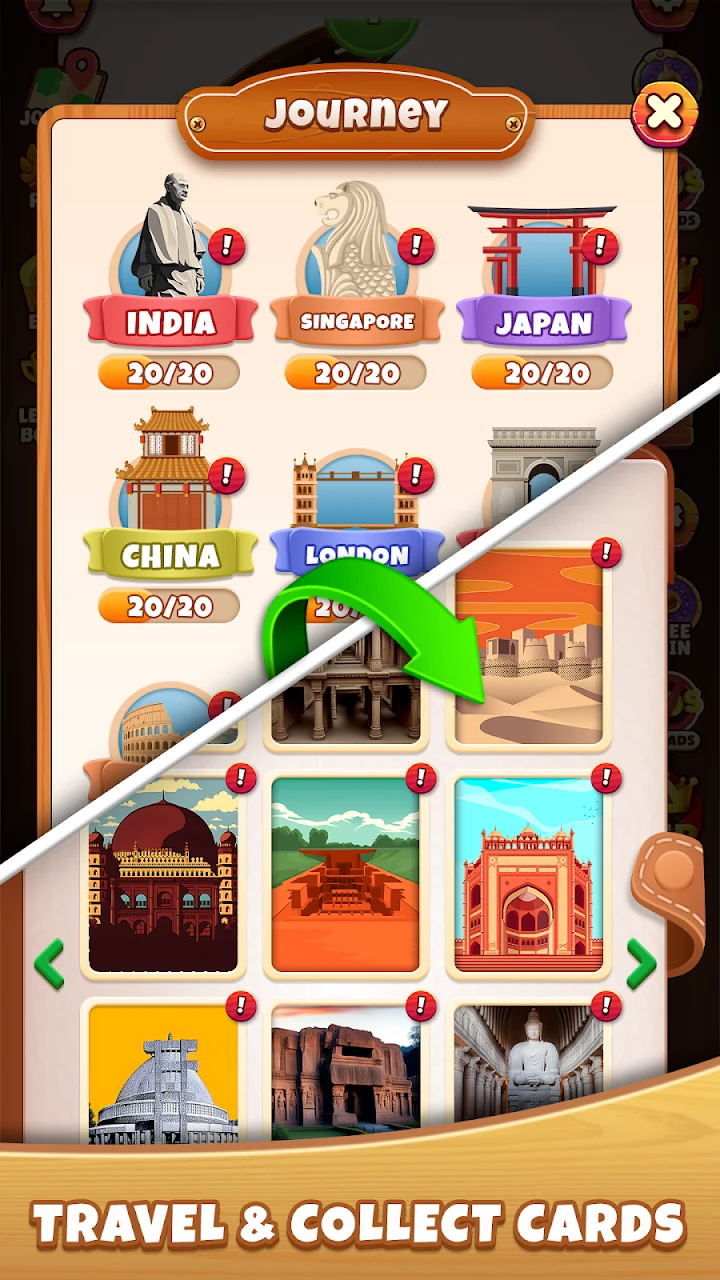
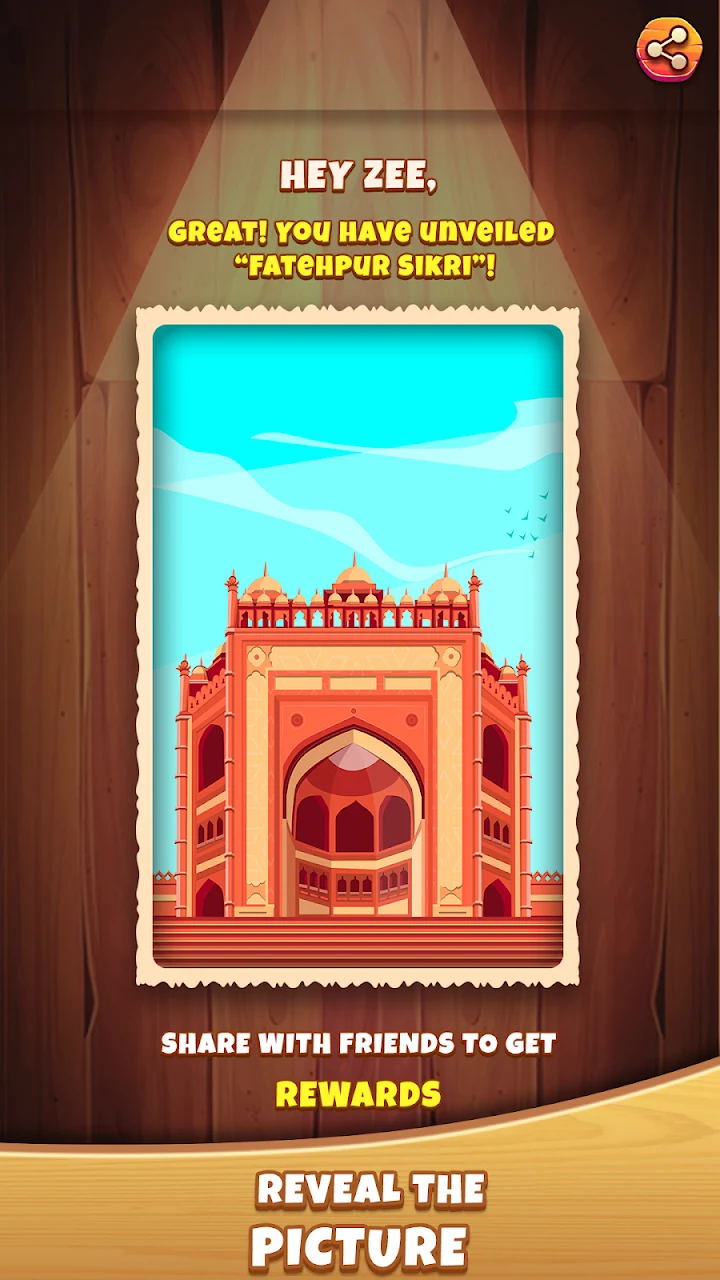
Wood Nuts and Bolts Google Play game image showing the journey and collectible destination cards
Wood Nuts & Bolts · progression & game UI

Engine choice

Keep the stack accountable to the game.

For an existing title, review the working pipeline before proposing a migration. Engine choice affects devices, content production, plugins and maintenance.

Unity for Android

Assess the 2D/3D workflow, rendering and asset delivery, engine version and plugin compatibility against the project’s device budgets.

Unity development

Existing builds & Android ports

Review source access, dependencies and a reproducible Unity build before committing to a port or improvement plan. Define what can be retained, what needs Android-specific work and who maintains the project after handover.

Assess your Android build

Native integration: Android-specific plugins or modules may be needed for platform APIs and external SDKs. Establish that need during technical review; an Android game does not automatically require a native-engine rewrite. For an iPhone or iPad release, explore iOS game development.

Device coverage & quality

One game.
Many Android devices.

Android varies by hardware, OS, screen and graphics capability. Define representative devices and test conditions early, then review results against those conditions.

Minimum supported Android and the target API required for release are different decisions. Tablets, foldables, controllers and additional form factors need explicit layout, input and test scope.

Choose the priority devices, gameplay scenarios and acceptance checks before development begins. Use that plan to review each build and the issues still to resolve.

Touch & screenMemory & loadingFrame pacing & heat
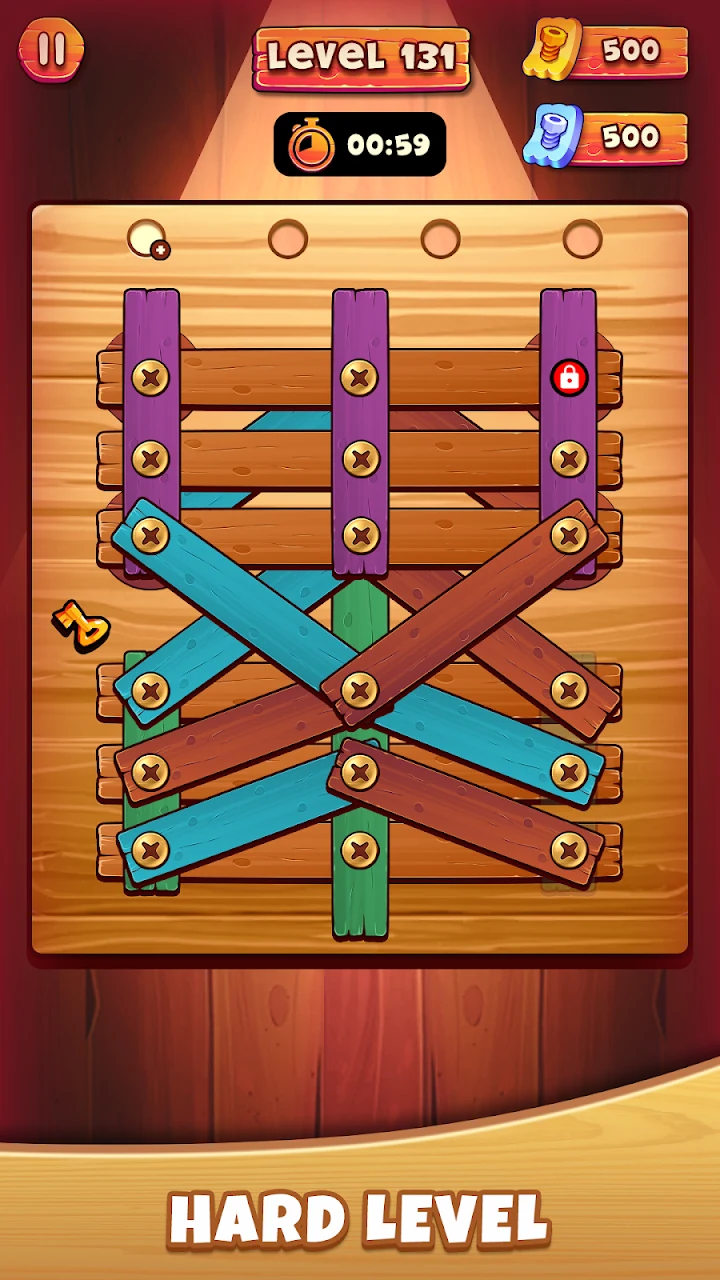
Nuts and Bolts Google Play promotional gameplay screen with layered planks and screws
Nuts and Bolts: Reveal Picture
Explore on Google Play

Gameplay meets the device plan

Keep the experience.
Plan for the hardware.

Connect the game’s art, input and systems to the phones your audience uses. Agree the coverage before the final release.

Screen & input
Touch targets, safe areas, aspect ratios and portrait or landscape layouts.
Memory & graphics
Device tiers, asset budgets, loading and representative visual scenes.
Real play sessions
Frame pacing, heat, interruptions, offline behavior and reconnection.
See the acceptance plan
Review the Android acceptance plan
Define your Android acceptance plan
AreaDefine before implementationEvidence to review
Supported devicesMinimum OS, RAM and GPU capability, screen layouts, input and agreed exclusions.A named device/capability matrix linked to the tested build and release configuration.
Sustained performanceFrame pacing, memory, loading and thermal expectations during representative play sessions.Profiling observations or traces, test conditions and unresolved issues per device tier.
Gameplay resiliencePause/resume, interruptions, offline behavior, network loss and saved-progress rules.Recorded test scenarios, defect priorities and milestone acceptance notes.
Purchases & SDKsPurchase states, entitlement handling, ads, analytics and external-service dependencies.Transaction tests, SDK inventory and agreed data/declaration inputs.
Release readinessBundle, signing and account responsibilities, testing tracks and release approval.Release candidate, QA report, known-issues log and client-approved submission materials.

On a phone, scroll this comparison within the panel.

Two ways to begin

Starting fresh?
Bringing a game over?

Choose a new Android production or a focused workstream for an existing title. A platform port and a build repair begin with different technical questions.

Runner Runner promotional game image from the project portfolio
Runner RunnerExplore the production ↗
01

Create a new Android game

Bring a concept, references or an early prototype. Define gameplay, art, content and online systems around the audience and intended Android devices.

  • Validate the core loop and visual direction.
  • Plan production builds, device checks and release milestones.
  • Agree the first deliverable before expanding the content commitment.
Scope a new game
02

Advance an existing game

Start with the source, working build, engine and dependency information. Establish what can be retained and where Android-specific work or technical repair is needed.

Bring a title to Android

Review plugins, code and licences. Adapt input, UI, assets and platform services, then agree feature parity and device coverage.

Assess an Android port

Repair or improve a build

Reproduce crashes, loading or performance issues on the relevant devices. Review logs and dependencies, prioritize fixes and identify rewrite risks.

Review the current build

Choose the delivery owner. Managed Android game development outsourcing gives a partner responsibility for an agreed workstream and its milestones. If your producer retains day-to-day delivery ownership, Android game developers can instead join your existing team. Agree the roles, code review, tools and working-hour overlap for that model.

Google Play delivery

A release needs
more than a build.

Account access, signing, dependencies, declarations and review all affect release readiness. Assign these responsibilities before the final milestone.

  1. 01

    Account & package identity

    Your business should control the Play Console account. Agree the package identity, production access and permissions needed by the delivery team.

    Clarify ownership

    Account owner, access roles and upload/signing arrangements.

  2. 02

    Build & dependencies

    Review current target API, engine, native libraries, billing and SDK requirements for the actual release.

    Review readiness

    Release bundle, reproducible build steps and dependency record.

  3. 03

    Payments & data practices

    Test purchases and entitlement behavior. Inventory SDK data practices and agree who approves privacy, content and Data safety declarations.

    Confirm inputs

    Transaction evidence and client-reviewed declaration materials.

  4. 04

    Testing & submission

    Complete the agreed test scope and required account testing steps. Pre-launch reports complement gameplay testing and have coverage limits.

    Approve the candidate

    QA results, known issues, store assets and submission responsibility.

  5. 05

    Rollout & observation

    Agree rollout stages, monitoring access, issue escalation and update ownership. Store review remains an external dependency.

    Plan continued operation

    Observation window, triage process and contracted support boundary.

Connect release to handover

A project your team can keep building.

  • Source & build instructions
  • Editable art & licence notes
  • Device tests & release records
  • Accounts & service access
Review the handover

Google documents app signing, pre-launch reports and developer data responsibilities. Check the current requirements for the release and account.

Milestones & handover

Know what
you will receive.

Agree the outputs, acceptance checks and handover before implementation begins.

Move through a scoped brief, playable core, production builds and release candidate. At each checkpoint, review the build, completed work, defects and decisions needed for the next stage.

The agreement should identify custom-code and asset rights, third-party licenses, source access and handover exclusions. Continued hosting, new content and operational support need their own responsibilities.

Runner Runner promotional game image from the portfolio
Runner Runner

Delivery and handover

Define the handover.

  1. Source & buildEngine project, build instructions and dependency versions.
  2. Art & contentAgreed source assets, formats and license notes.
  3. Device & QA evidenceCoverage, performance observations, defects and known issues.
  4. Release configurationBundle, package identity and documented account/signing responsibilities.
  5. Backend & operationsAgreed service documentation, access handover and support plan.

Final deliverables depend on the commissioned scope and third-party rights.

Budget & schedule

Estimate the work.
Expose the dependencies.

Share the concept or current build, device priorities, art/content scope, integrations, launch constraints and budget range. These inputs shape the proposed team and milestones.

Runner Runner promotional game image from the portfolio
Scope the play.Plan the production.
01

Production complexity

Mechanics, levels, visual quality, backend and online systems affect the build effort. Content-heavy games need a repeatable production pipeline.

02

Existing-code health

A port or takeover estimate depends on the engine, plugins, build reproducibility, licenses and technical debt revealed by review.

03

Device & release coverage

Hardware tiers, form factors, SDK changes, testing and store-account readiness affect effort and release dependencies.

04

Operating costs

Identify hosting, external services, licenses, user acquisition and ongoing support separately from the initial development scope.

Agree milestone approvals, working-hour overlap and change handling with your team. For projects serving the US, Canada, the UK, Europe or the GCC, agree language, audience and data requirements for the actual release markets. English, French or Arabic localization, including RTL layouts where relevant, needs scoped content, testing and client market review.

Android buyer questions

Settle the details
before production.

Direct answers about commissioning, improving and releasing an Android game.

What do your Android game development services cover?

The agreed scope can include design, art, gameplay, backend, testing, optimization and release support. You can commission a complete production or a defined workstream such as an Android port, feature or build assessment. Confirm the outputs and responsibilities in the proposal.

What determines Android game development cost?

Mechanics, art and content volume, online systems, device coverage and release scope determine effort. For existing titles, code and dependency health also matter. Separate the development estimate from hosting, licenses, third-party services, marketing and continuing operations.

How long does Android game development take?

The schedule follows the scope, starting assets, technical risks, device testing and review dependencies. Agree prototype, production and release milestones after assessment. Account access, required testing and store review can affect launch timing; a development finish date is not automatically a publication date.

What do you need to assess our project?

Share the concept or design document, reference games, existing build or codebase, desired Android devices, feature priorities and budget context. Identify the store account owner and external services. We can use an early assessment to clarify missing information and scope assumptions.

Which Android phones and form factors will be supported?

Agree minimum OS and a representative device/capability matrix, including screens, RAM, graphics and input. Tablets, foldables, TV or other form factors need separate scope and testing. Supported coverage should be connected to the release build and recorded test results.

Can you port a game or improve a slow existing build?

Yes, these are distinct assessment routes. A port starts with engine, code, plugins, assets and licensing. Optimization starts with reproducible issues and profiling on relevant devices. That review helps define retained work, targeted fixes and any justified rewrite requirements.

Can the game include multiplayer and online features?

Multiplayer can be scoped around the session model and player experience. Define matchmaking, authority, synchronization, reconnects and backend responsibilities early. Hosting, expected traffic, target regions and monitoring influence both the architecture and ongoing operating cost.

Can you integrate purchases, ads and subscriptions?

These can be included where they fit the product. Agree the economy, catalog, SDKs, entitlement and transaction tests, analytics and server responsibilities. Review current payment rules for the distribution channel and market; monetization integration does not guarantee revenue.

How will security and player data be handled?

Define data collection, SDK behavior, permissions, access controls and backend boundaries during scoping. Account creation may add deletion and retention requirements. Technical checks and client-approved declarations support the release; legal requirements depend on the product, audience and markets.

Can you help publish the game on Google Play?

Release support can include bundle preparation, signing configuration, testing tracks, listing assets and technical submission work. Agree the account owner and declaration approvals. Google controls its review and production-access decisions, so approval and a fixed publication date cannot be guaranteed.

Is Google Play the only distribution option?

Distribution can include Google Play or another agreed Android channel. Each channel may change packaging, services, payments and review responsibilities. A later iOS, PC or other-platform release is additional scope, even when the engine allows some code reuse.

Who should own the code, Play Console and signing access?

Your business should control its publishing account. Agree custom-work ownership, licenses, repository access and handover contractually. Document package identity and the distinct signing/upload arrangements, with the team receiving appropriate permissions rather than assuming ownership of your account.

Does development include marketing and player acquisition?

Define marketing separately in the proposal. Store artwork, listing preparation, launch coordination and analytics may support a release, while campaign strategy, creative testing, media spend and ongoing acquisition have their own scope. Neither publication nor development guarantees installs or commercial success.

Can we hire Android game developers for our existing team?

Yes, discuss the engine, skill gap, production stage and expected overlap. Your team can retain backlog and delivery ownership while developers work within agreed repositories, code review and build pipelines. Define specialist responsibilities and onboarding before the engagement. Explore hiring game developers.

What support is available after launch?

Agree the support period, issue priorities and response expectations. Defect fixes, Android/SDK updates, new features and LiveOps are different workstreams. Define monitoring access and recurring costs, then decide how compatibility changes and future content will enter the roadmap.