

Runner / 3D mobile game
Runner Runner
PlaySphere Studios’ review covers our work across game design, 3D art, animation, mobile development and backend systems.
Available on iPhone and Android from XA Interactive Inc.
Search the native WordPress menu, then use the complete directory for every long-tail capability.
Mobile game production
Turn a game concept, playable prototype or existing build into your next production milestone.
Capermint brings game design, art and engineering into one mobile production scope. Plan the core loop, build the systems, test on real devices and define what happens after launch.
A new game, an existing team or a specific production gap. Start with the brief you have.
Selected mobile work
Explore the games and the work behind them, from runners and block puzzles to tactile screw puzzles.
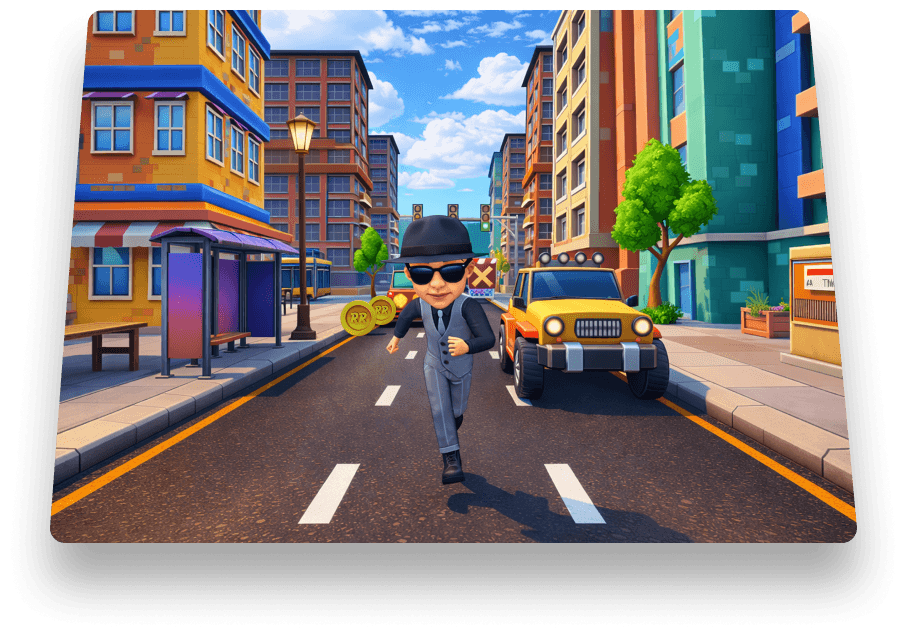
Runner / 3D mobile game
PlaySphere Studios’ review covers our work across game design, 3D art, animation, mobile development and backend systems.
Available on iPhone and Android from XA Interactive Inc.
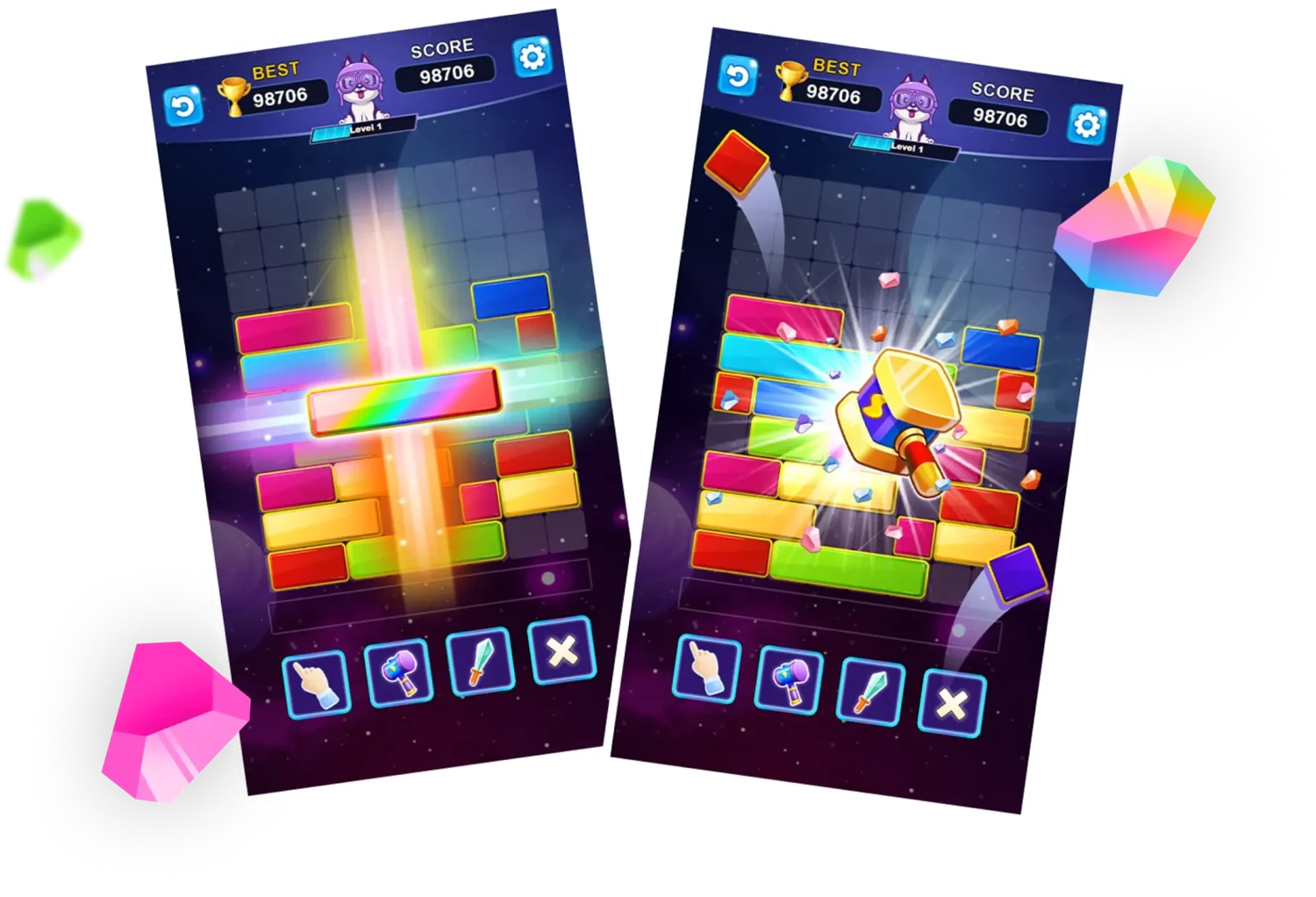
Block puzzle
A sliding-block puzzle built around readable boards, direct touch input and satisfying line clears. Explore the gameplay and product details.
Available for iPhone as Block Sliding – Drop Jewel, published by Capermint Technologies Private Limited.
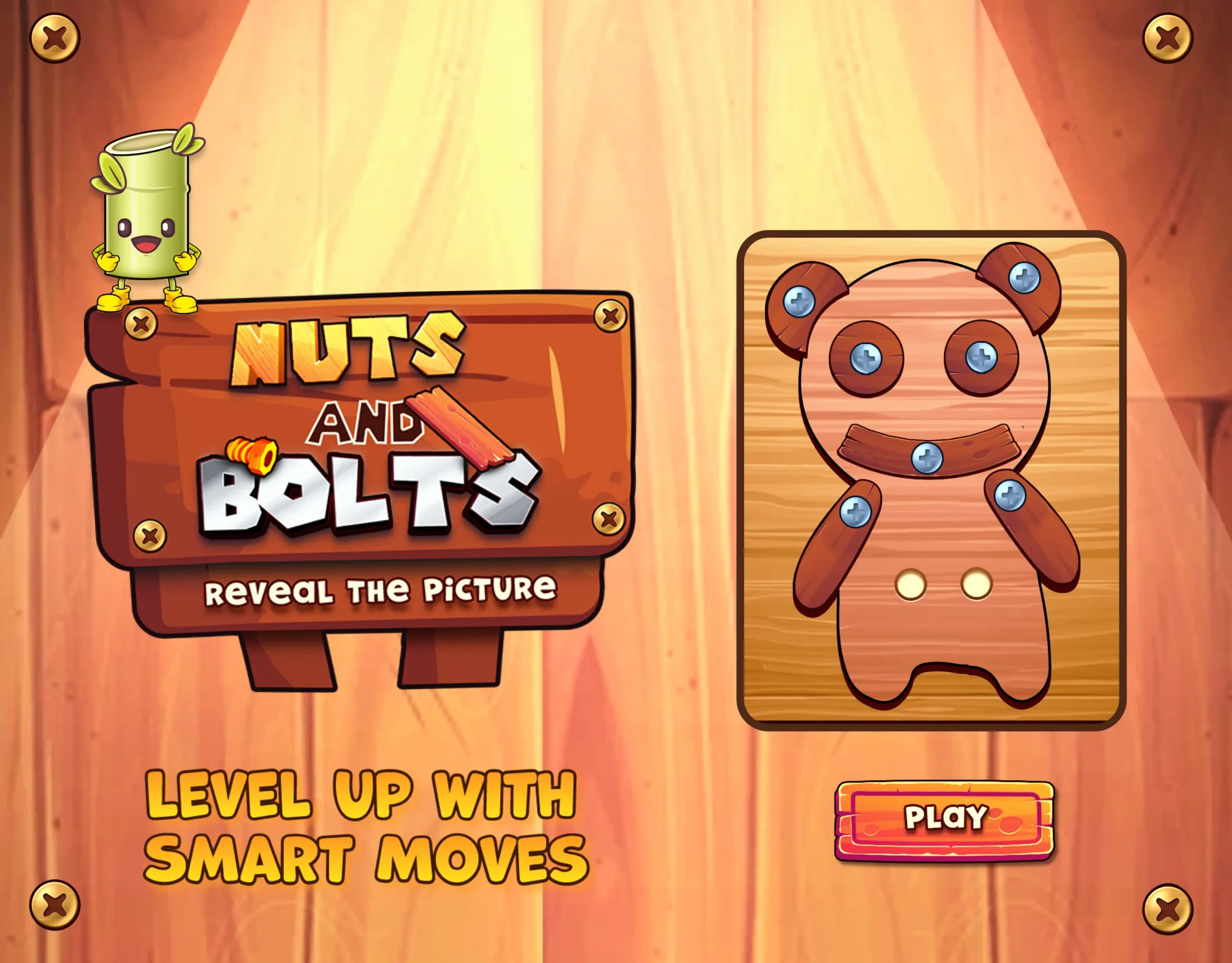
Screw puzzle
A tactile mobile puzzle about moving screws, releasing wooden pieces and revealing a picture. Explore our design and development work behind the game.
Available as Nuts and Bolts: Reveal Picture from Zen Gamer Studios.
Choose your starting point
Commission a defined outcome or add capacity to a production already in motion. The starting point determines the team, estimate and approval checkpoints.
You have a concept and need to find out whether its central interaction works.
Agree the output: A playable build, test questions and a recommended next scope.
Discuss a prototypeYou need a development partner to coordinate design, art, engineering and release work.
Agree the output: Defined release builds, supporting assets and handover requirements.
Scope a full gameYou have a build or internal team and need help with a specific bottleneck.
Agree the output: An owned workstream, integration plan and acceptance checks.
Review your existing buildNeed individuals under your own production lead? Explore hiring game developers. Team extension and managed production carry different responsibilities.
Mobile game development services
Choose the disciplines your game needs. We define the responsibilities, dependencies and deliverables around your production brief.
Core loops, controls, progression, level rules and game design documentation. Use a playable build to test the most consequential design assumptions.
Characters, environments, UI, animation and effects shaped around an agreed art direction and mobile asset budget.
Touch input, gameplay systems, device behavior and platform integrations. Plan build size, loading, memory and performance targets before content scales.
Accounts, saved progress, leaderboards and online features where needed. Define server authority, network behavior, hosting and operational ownership.
Specify progression, purchases, ads or subscriptions for the product model. Instrument agreed events so soft-launch decisions can use actual player behavior.
Functional, compatibility, performance and regression checks against an agreed device matrix. Make defects, build readiness and remaining risks visible.
Adapt controls, interface, assets and SDKs for the target platform. Define store submission tasks, account access and review responsibilities.
Plan updates, content, events, fixes and economy changes after launch. Set the support window, release cadence and operating costs in the agreement.
Platforms & technology
Platform decisions affect production and operating cost. Start with your players, device expectations and product model; then choose the technical approach.
Plan supported devices, touch layouts, memory use and Apple services. Define App Store preparation, purchase flows, privacy disclosures and review dependencies for the release.
Explore iOS game developmentChoose a realistic device and OS matrix. Budget for graphics variation, memory, thermal behavior and interruptions, alongside Google Play services and release requirements.
Explore Android game developmentA shared codebase can reduce duplicated work, while each platform still needs its own integration and testing. For an existing game, preserving a maintainable pipeline can matter more than changing engines.
| Approach | When to consider it | Decisions to settle |
|---|---|---|
| Unity | 2D or 3D mobile production, shared iOS/Android builds and established Unity projects. | Rendering, asset pipeline, SDKs, licensing, supported devices and maintainability. |
| Unreal Engine | Projects where 3D presentation and an existing Unreal production pipeline support the choice. | Target hardware, memory, thermal and build-size budgets, team fit and licensing. |
| Your existing stack | Feature development, optimization or a port where a rewrite needs a clear business case. | Code and dependency review, upgrade risks, build reproducibility and handover. |
On a phone, scroll the comparison within this panel.
Build around the play
A puzzle content pipeline and an online race have different production risks. Use relevant work to discuss the mechanics, systems and review criteria for your game.
Board readability, difficulty, level content and reward feedback. Drop Master and Wood Nuts & Bolts show two different approaches to puzzle interaction.
Puzzle game developmentResponsive controls, collision rules, animation and readable obstacles. Explore the design, art and engineering behind Runner Runner.
See Runner RunnerDefine session flow, matchmaking, authority, disconnects, progression and moderation needs. Validate the online architecture alongside the gameplay.
See the production checkpointsStart with the behavior or learning goal, intended age group and deployment context. Agree content review, accessibility and data requirements for the audience.
Educational game developmentDelivery checkpoints
Use these checkpoints to agree scope, responsibilities and approvals before production begins. Set the final milestones in your statement of work.
Review the audience, core loop, platforms, existing assets, business model and dependencies.
Scope, assumptions, responsibilities and a milestone estimate.
Build enough to assess the central interaction and technical risks before expanding content.
A playable prototype, feedback and a production go / revise decision.
Develop gameplay, art, interface and agreed backend features with integrated review builds.
Milestone builds, completed work, defects and scope changes.
Validate the supported devices, performance budgets, integrations and release candidate.
QA evidence, unresolved risks and agreed store-submission materials.
Complete the contracted handover and agree how fixes, content and future releases will be handled.
Code, assets, documentation and access listed in the handover agreement.
Cost & timeline
The budget and delivery plan follow the work: the core mechanics, content volume, visual quality, online systems, platform coverage and release responsibilities.
A focused prototype, a complete game and a feature on an existing build need different estimates. Third-party fees, hosting, store accounts, user acquisition and ongoing operations should be identified separately.
Share your scopeWhat helps us assess the work
The proposal should make assumptions, exclusions, dependencies and change handling visible, alongside the estimate.
How the engagement works
For teams across the US, Canada, the UK, Europe and the GCC, a useful delivery agreement makes collaboration and operating responsibilities explicit.
Define custom-work ownership, source access, documentation and handover in the contract. Identify third-party assets, plugins and licenses so their rights and renewal costs are clear.
Agree supported devices, performance budgets, test scope and defect priorities. Release approval should use build evidence and known issues, with clear responsibilities for review.
Set working-hour overlap, review cadence, tools and decision owners. Evaluate changes against the budget, schedule and release scope before adding them to production.
Separate submission support, defect fixes, new features and LiveOps. Agree account ownership, hosting, monitoring, support hours and response expectations for the scope you commission.
Player data, SDK permissions, store declarations and localization requirements need a defined owner. Review these requirements for the intended audience and launch markets during scoping.
Before you commission
Useful answers for choosing a mobile game development partner and preparing the production brief.
A mobile game development company turns a game brief into playable iOS or Android software. Depending on the agreed scope, the work can include game design, art, gameplay engineering, backend systems, testing, release preparation and ongoing updates. Confirm which disciplines and operating responsibilities your proposal includes.
Cost depends on the mechanics, art and content volume, multiplayer or backend requirements, platform coverage, starting codebase and postlaunch scope. A useful estimate separates the build from third-party licenses, hosting, store accounts and marketing. Read the mobile game budget guide, then share the project inputs for a scoped proposal.
The schedule follows the scope, team availability, content pipeline, integrations and review dependencies. Start by defining the playable prototype, production and release milestones. Store review and third-party approvals may affect launch timing. Agree the dates, assumptions and approval dependencies in the project plan.
Choose around the intended players, device coverage, product model and budget. A shared engine can support both platforms, but purchase flows, platform services, privacy declarations, testing and release work remain platform-specific. A staged release can help validate assumptions before expanding coverage.
Compare the gameplay, visual requirements, target hardware, team skills, SDKs and licensing. Unity and Unreal support different production choices; an existing project’s code quality and pipeline also matter. Review the current build before committing to an engine migration or rewrite.
Yes, they can form part of the agreed production scope. Define the art direction, asset list, animation requirements, UI, source files, review rounds and mobile performance budgets. If you already have an art team, agree where its deliverables connect to engineering and QA.
Existing-build and co-development work starts with access to the relevant build, code, documentation and pipeline. A review identifies what can be retained, the production risks and the workstream to own. Agree integration rules, code review, acceptance and communication with your internal lead before implementation.
Ownership and handover terms belong in the agreement before work begins. List the custom code and assets to be transferred, repository and build access, documentation, credentials and any exclusions. Third-party engines, plugins, licensed art and services retain their own license terms.
These can be scoped around the game’s needs. Define session behavior and server authority for multiplayer, transaction and restoration flows for purchases, and the events needed for product decisions. Hosting, external services, privacy requirements and ongoing operating responsibilities must be included in the plan.
Postlaunch work may include defect fixes, platform updates, new content, events, economy tuning and analytics reviews. These are different from one another. Agree the support period, covered work, response expectations, operating access and commercial model; new features and third-party fees should be explicit.
Discuss the overlap, review windows, decision owners and communication tools your team needs. The audience and launch markets also affect language, cultural adaptation, supported devices, SDKs and data handling. These requirements should be part of the production brief for teams in North America, the UK, Europe or the GCC.
Make the next decision
New game projects · worldwide
Share the idea, audience and ambition. We’ll reply with a practical view of scope, team shape, technology and the smartest first milestone.
01 / Scope
Clear assumptions, open questions and the right place to begin.
02 / Team
Full-cycle, co-development or dedicated specialists—built around ownership.
03 / Next move
Prototype, technical discovery or production planning—not a generic sales pitch.
Project brief / secure enquiry
Secure enquiry · NDA-first · No obligation