
Keep the table readable
Give cards, player positions and game state a clear place on the landscape screen.
Search the native WordPress menu, then use the complete directory for every long-tail capability.
CAPERMINT / MULTIPLAYER CARD GAME
A familiar card table. More ways to connect.
A digital Call Break experience built around strategic card play, online competition, friend invitations and a recognizable shared table.
The original presentation shows Android and iOS badges, but supplies no working store destinations. A matching listing has not been verified.
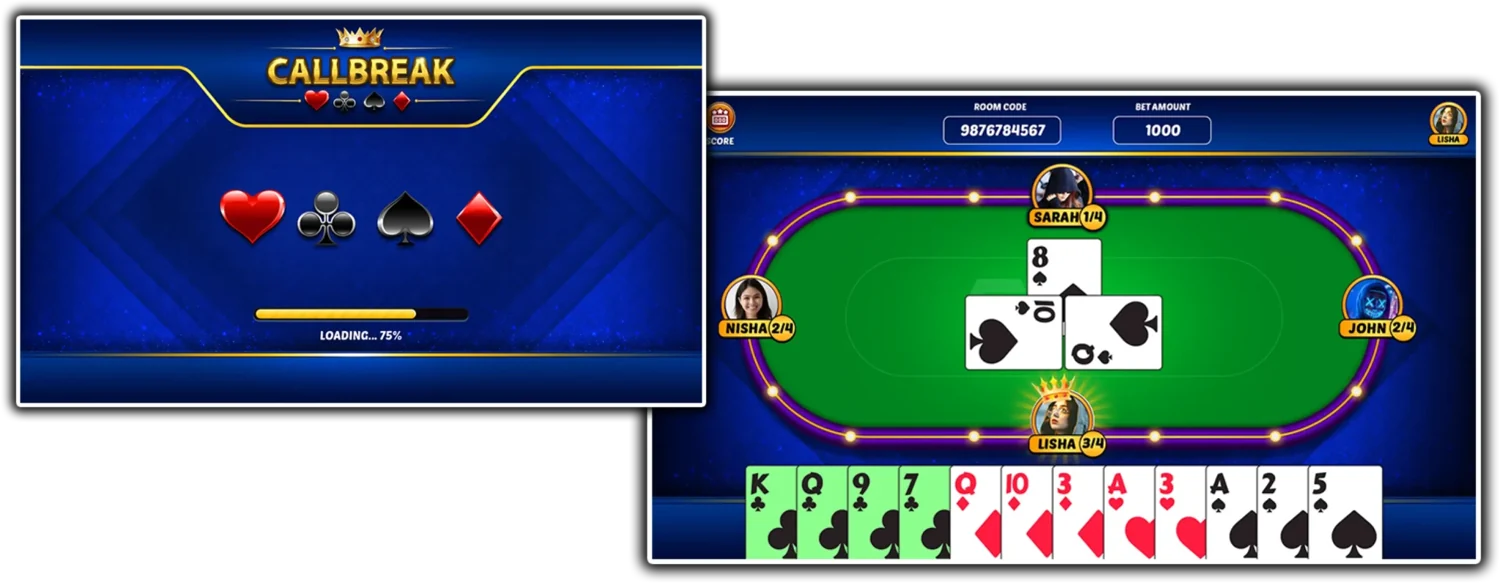
THE PROJECT
Call Break translates a familiar trick-taking card game into a landscape mobile experience. The original project uses a standard deck and describes online multiplayer, friend play, local turn-by-turn sessions and computer opponents.
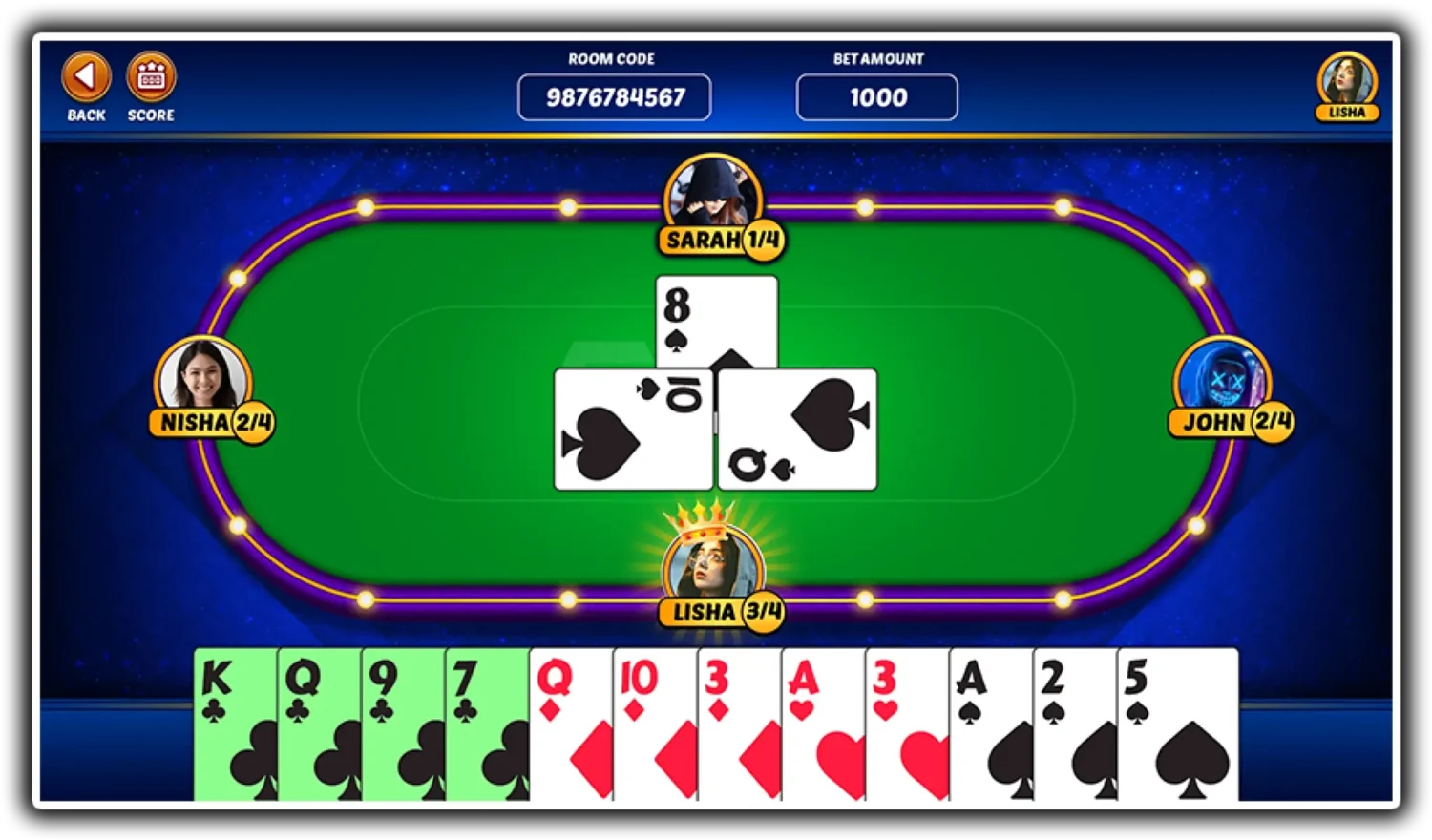
The central design task is clarity. Players need to read their hand, identify the active player and follow the cards on the table without losing the social atmosphere of a shared game. Capermint’s artwork places the green table at the center, with the hand and player information around its edges.
The public presentation also describes a wider feature scope including guest access, buddy invitations, daily bonuses, table themes and tournaments. It does not publish a release-by-release feature audit.
Give cards, player positions and game state a clear place on the landscape screen.
Describe a path for online opponents, invited friends, local play and computer practice.
Use themed tables, player identities and social features to frame the core card game.
PRODUCT VISUALS
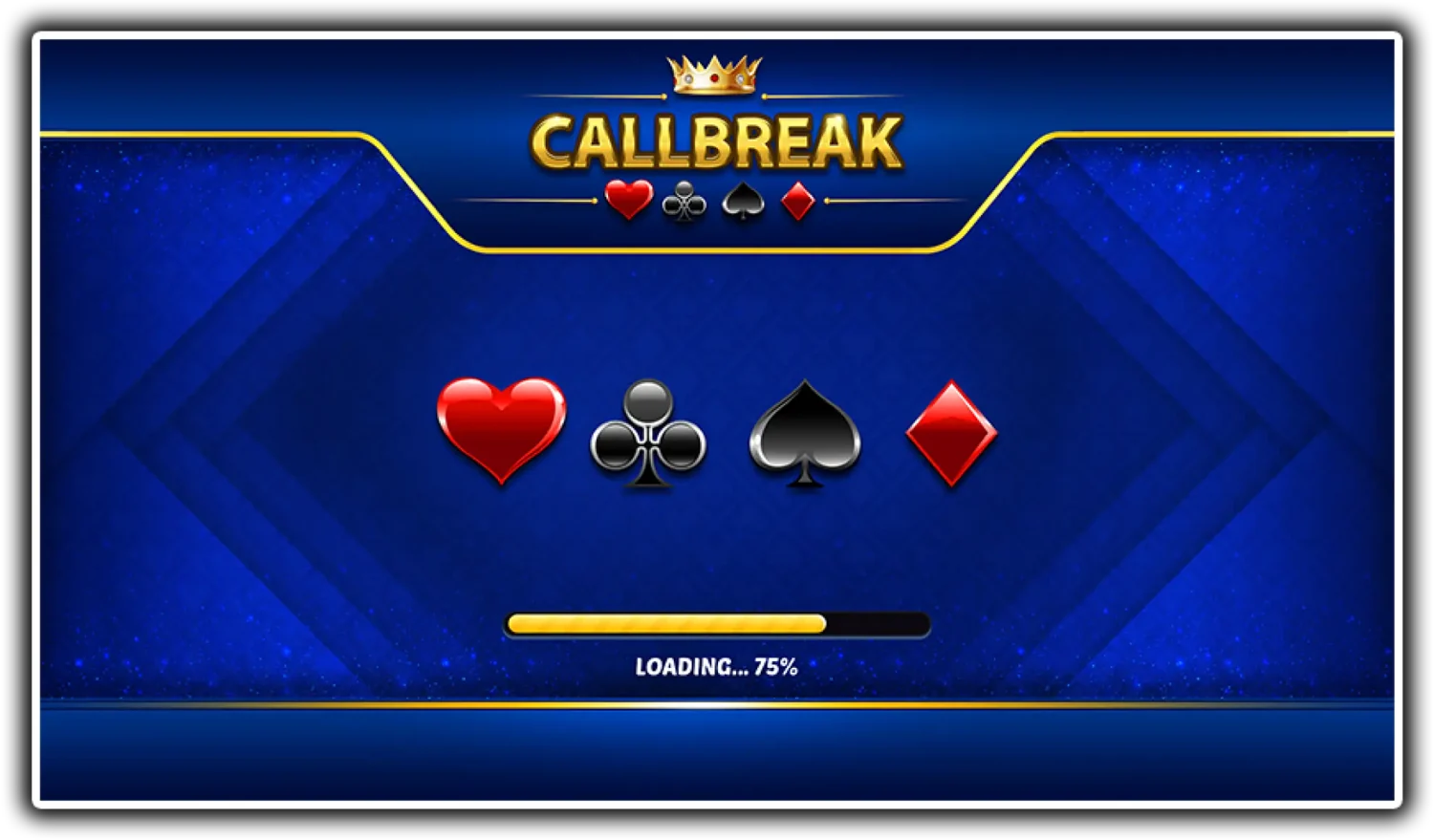
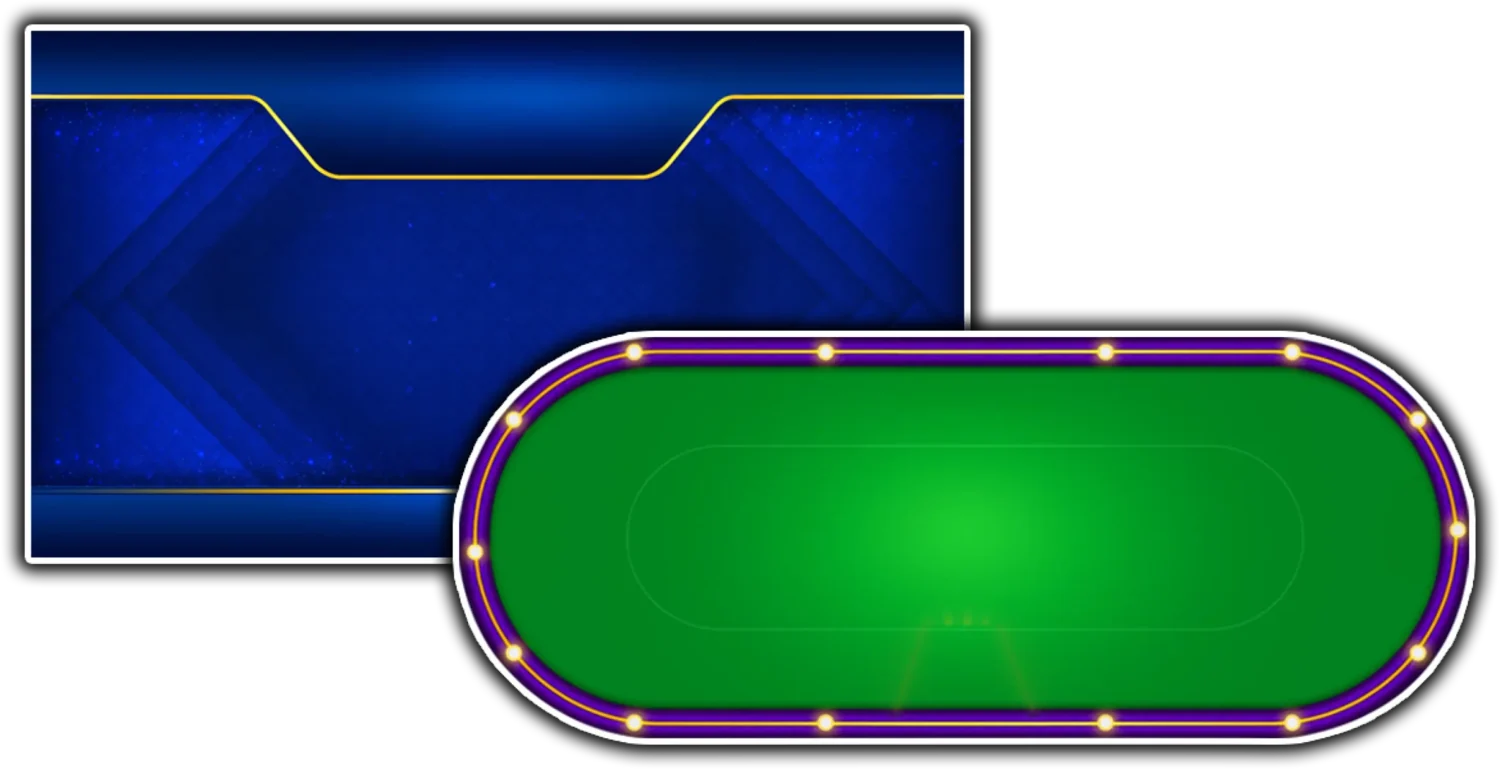
Original Call Break game screens and interface artwork from the published project. These are project visuals, not recreated screenshots.
THE EXPERIENCE
The published play modes support different contexts while keeping the card game at the heart of the experience.
Select the type of session: online, friends, local turn-by-turn play or a computer opponent.
The buddy list and invitation concept help players connect with familiar opponents.
The landscape table keeps the player’s cards close to the lower edge and opponents around the board.
Bonuses, themes and tournament options form part of the wider published feature scope.
CHALLENGES & SOLUTIONS
The design challenges below are an analysis of the published features and interface, rather than a record of undocumented production incidents.
THE CHALLENGE
A multiplayer table must show a hand, opponents, played cards and game information at the same time.
THE RESPONSE
The published screens give the table a large central area and arrange the player’s hand along the bottom edge.
Why it mattersThe layout supports rapid scanning during a turn.
THE CHALLENGE
Players may want a public match, a familiar opponent or time to learn.
THE RESPONSE
The project describes online, friend, local and computer modes as separate play contexts.
Why it mattersThe same card-game concept can fit social sessions and individual practice.
THE CHALLENGE
Account creation can interrupt a player who simply wants to try the game.
THE RESPONSE
Guest play appears in the published feature scope, alongside the fuller account experience.
Why it mattersPlayers have a proposed route into the game before committing to registration.
THE CHALLENGE
Themes and rewards can compete with the information players need to make a move.
THE RESPONSE
The art direction separates the blue interface frame from the green playing surface and high-contrast cards.
Why it mattersVisual personality surrounds the game while its essential objects remain distinct.
PRODUCT FEATURES
The source describes a four-player online Call Break format.
A buddy list shows friends and supports invitations to play.
Computer opponents are part of the documented mode selection.
Turn-by-turn play on a shared device is described in the original case.
The feature presentation includes access without creating an account.
Table skins, daily bonus coins, notifications and tournaments appear in the broader product scope.
PRODUCT APPROACH
The interface separates the core card game from the services that help players enter, connect and return. These observations describe the product design rather than unverified engineering choices.
Keep the card table and the player’s hand in consistent positions.
Make the different play contexts understandable before the match begins.
Connect the game with invitations and a visible buddy list.
Use a common visual frame across branded entry screens and the table itself.
DESIGN & USABILITY
Deep blue framing and green felt create a familiar card-room atmosphere.
The wider canvas makes room for the table, player positions and the full hand.
White cards and clear suit symbols stand apart from the green playing surface.
Gold accents and blue panels connect loading screens, controls and gameplay.
OUTCOMES & IMPACT
The published work presents both the core gameplay screen and the surrounding product concept.
The card table remains the primary visual and interaction focus.
Friend and multiplayer features give the game a shared setting.
The described modes cover online, local and practice use cases.
The outcomes describe the published product scope. No independently verified revenue, retention or conversion figures were supplied.
PROJECT QUESTIONS
Gamer Guruji – Call Break is a trick-taking card-game project using a standard deck and a four-player table.
The source names online play, friend play, local turn-by-turn play and a computer mode. Some original captions are mismatched; this page uses the mode names and coherent descriptions together.
The published scope includes a buddy list, online status and invitations.
Yes. The table, loading screen and interface artwork come from Capermint’s published project presentation.
The original page has platform badges without store URLs. No matching public store listing was verified for this case study.