
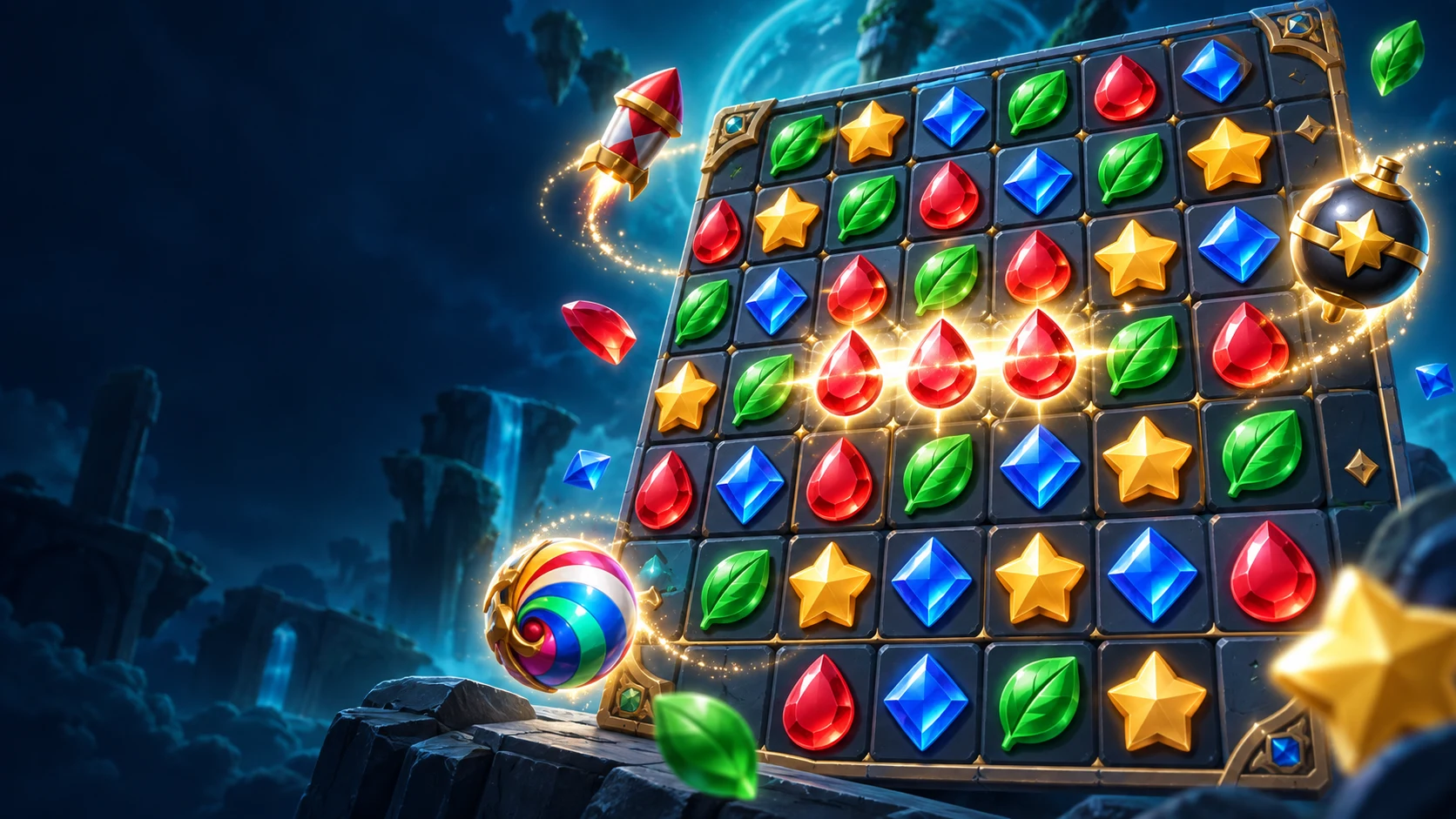
Your idea. Your world. Your game.
Match 3 Game
Development
Company
Your Match 3 game.
A partner from concept to launch.
Capermint helps founders, brands and game businesses turn a Match 3 concept into a custom mobile game. Bring together game design, original art, level production, development and release planning around one agreed scope for your iOS and Android launch.
Made for your launch
Build the game you want to put your name on.
You may be launching your first game, extending a brand into mobile play or building a new product for an existing business. Start with the experience you want players to have. We can then map the matching mechanics, visual direction, content needs and launch requirements into a production plan.
You do not need a finished design document to begin. Bring a concept, a few references and a view of the business you want to build. The first discussion should clarify the product and the decisions needed to price it responsibly.
Explore a real Match 3 project
 Empire Match 3
From the Capermint portfolio
Match tiles.
Build an empire.
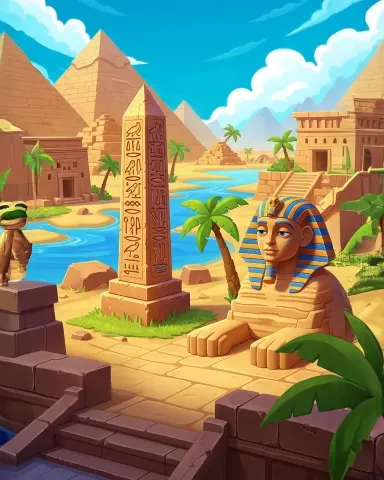
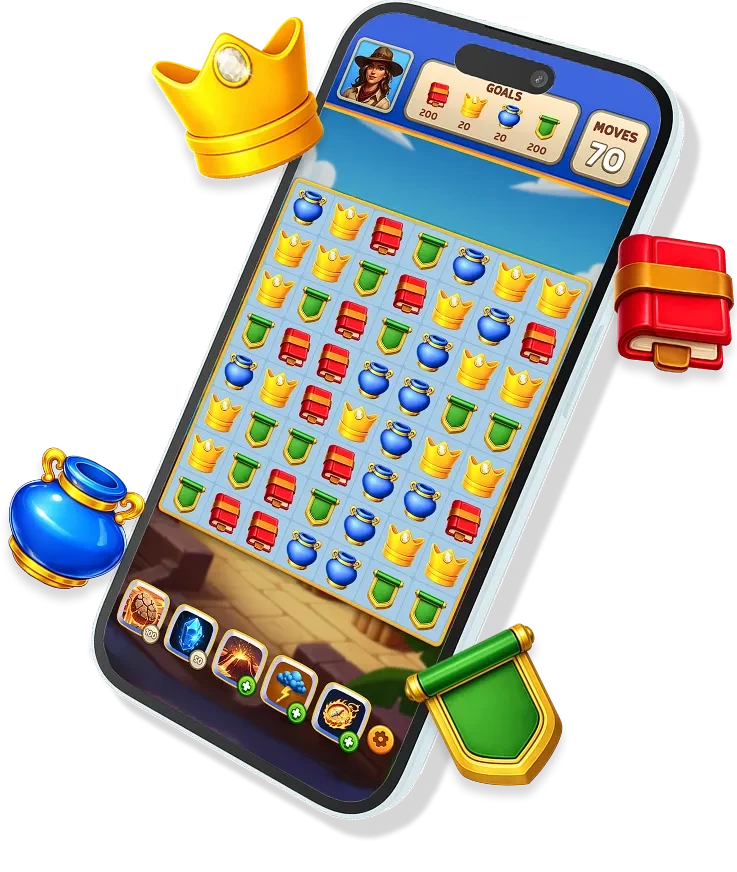
Empire Match 3 combines tile-matching puzzles with historical world progression. Players complete boards, use power-ups and earn resources to rebuild their empire. Its board, boosters and world presentation offer a concrete example to explore when discussing the direction of your own game.
Explore the published game to see its puzzle presentation and world direction. Use it as a starting point for a conversation about your own theme, features and launch scope.
Visit the game website ↗Empire Match 3 product artwork and gameplay visual from the official game website.
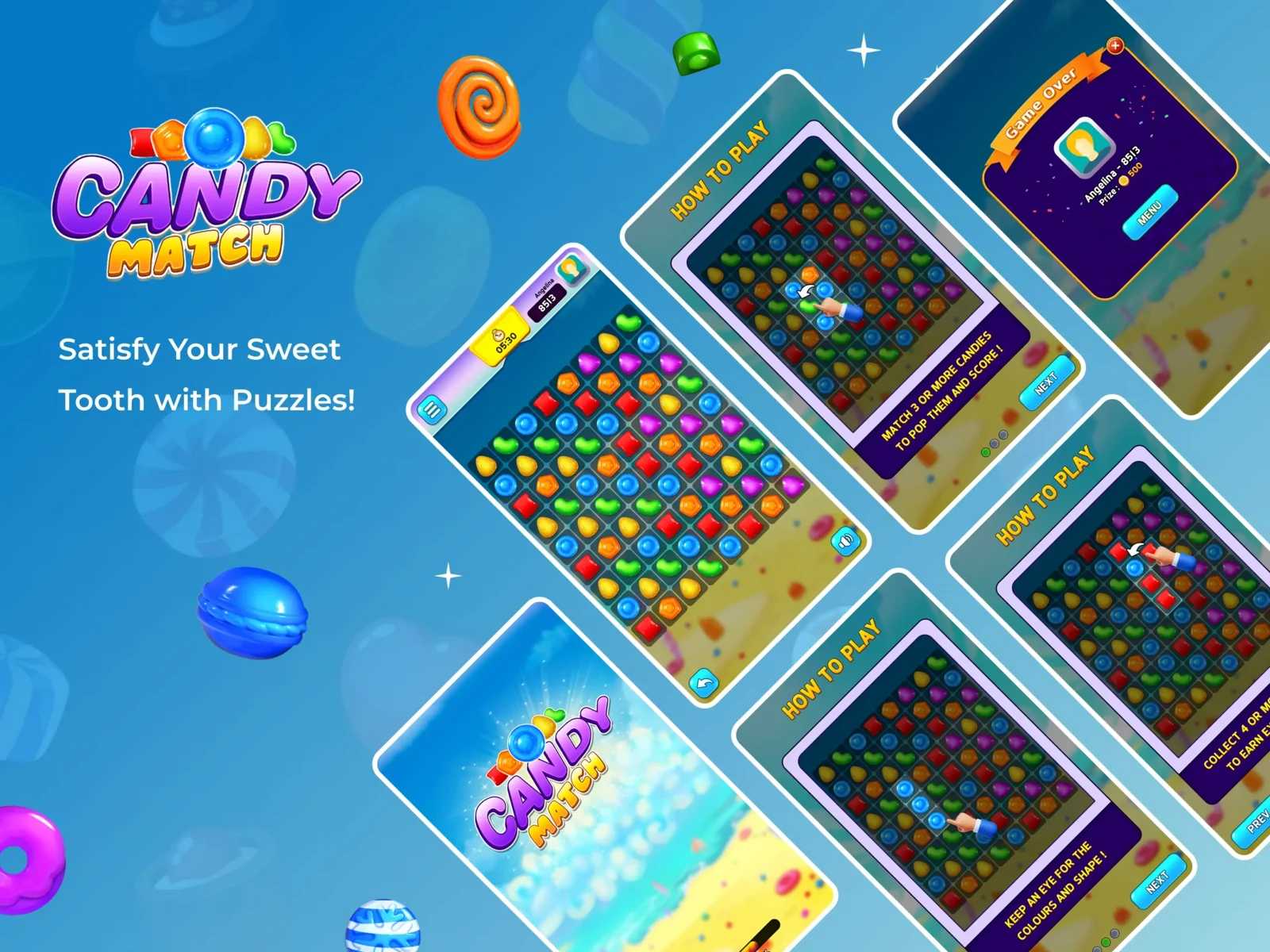
More visual work: Candy Match
Candy Match artwork from Capermint’s portfolio shows a colorful matching board and instructional screens. Explore the original artwork as a visual reference for tile treatment and game presentation.
View original artwork ↗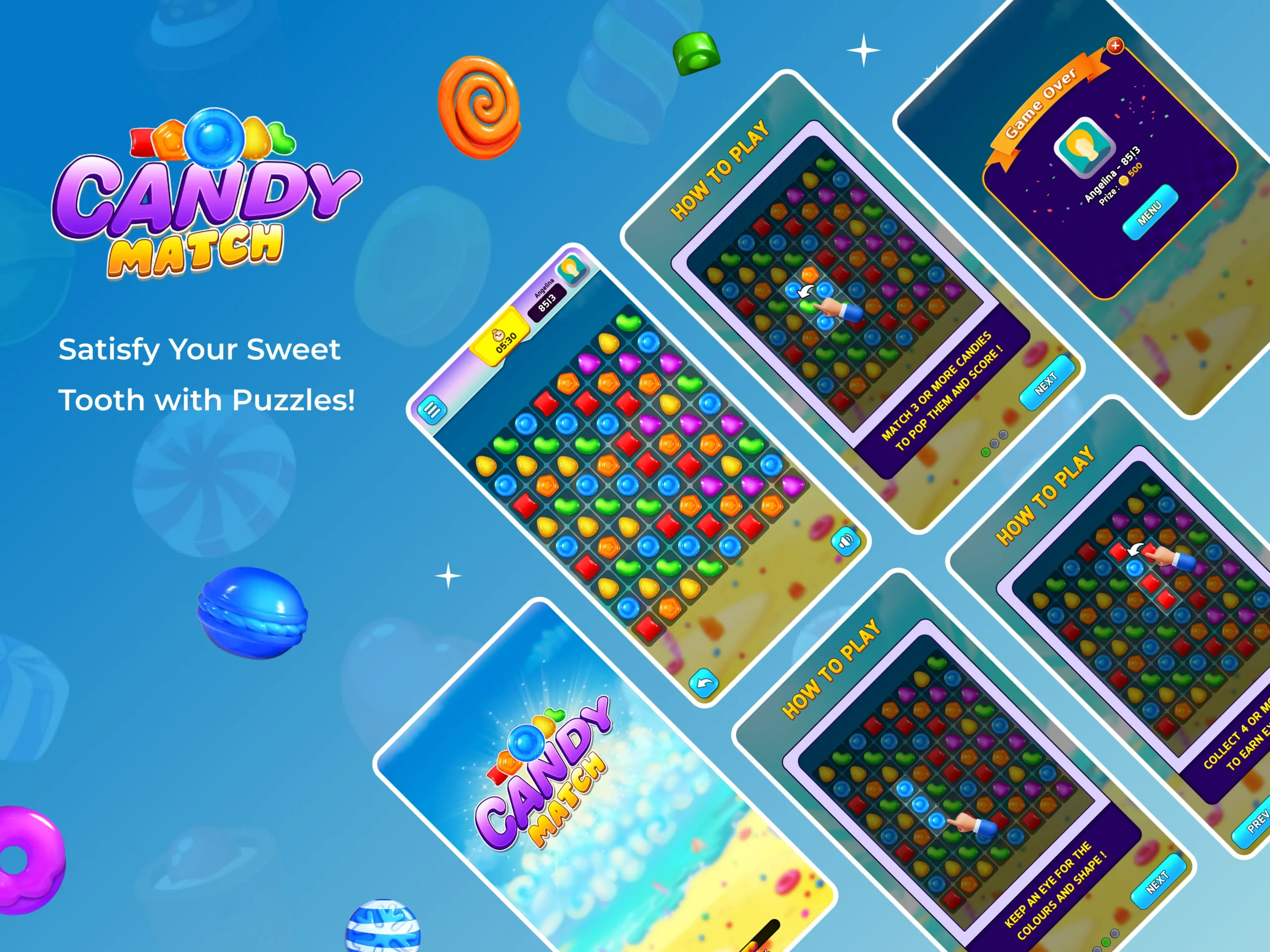
Custom game development
What goes into your
Match 3 game?
Agree the full experience: the board players touch, the world they progress through and the systems you need to run it.
The core matching game
Build the rules that define your game: tile swaps, matches, cascades, objectives, move limits and board recovery when no moves remain. Agree how blockers, special tiles and booster combinations behave before expanding the content.
Levels and difficulty
Plan a progression from the first tutorial to more demanding boards. Level layouts, objectives, blocker placement and move budgets need a repeatable production process. Include level configuration and playtesting in the scope so new content can be created and reviewed consistently.
Art, animation and interface
Give your game an original visual identity through tiles, backgrounds, characters, menus and effects. Board readability comes first: players should recognize objectives and distinguish tile types quickly. Animation, sound and feedback should make each action understandable.
A world beyond the board
Connect puzzle sessions to a reason to return. Your concept might use renovation, a story map, collection, character progression or world building. Define the reward economy and content requirements alongside the puzzle mechanics; the metagame changes both production scope and ongoing workload.
Purchases, rewards and player data
Scope lives, currencies, rewarded ads or in-app purchases around the intended experience. Define save data, account needs, analytics events and backend services early. Purchase restoration, interrupted transactions and consent flows belong in testing, alongside the gameplay.
Release and continued development
Plan device testing, performance checks, store submission assets and release support. For a soft launch, agree the events and questions to measure. After release, additional levels, events, fixes and economy changes can be covered by a separately defined support or production plan.



Power-up artwork from Empire Match 3 · included here as product examples.
Start with the right scope
Choose the right first step
for your launch.
Explore the concept
For a founder with an idea to validate.
A focused prototype can test the matching rules, board feel and visual direction. Agree what the prototype must demonstrate and which systems it deliberately leaves for production.
Decision: is the core experience ready for a larger production commitment?
Build the first release
For a team ready to fund a launch.
Define a complete initial experience: gameplay, a scoped level set, art, progression, required integrations, testing and release preparation. Agree the content target and target devices before pricing the build.
Decision: what belongs in the first release, and what belongs on the later roadmap?
Plan an evolving game
For an owner planning continued operations.
Add a sustainable content process, analytics, backend requirements and a plan for events or updates. Separate the initial build from recurring content, infrastructure, support and acquisition budgets.
Decision: who will operate the game and approve new content after launch?
Your development partnership
From your idea
to a release plan.
A clear development partnership gives you visibility into what is being built, what needs your input and what each milestone delivers.
Define your game
We start with your audience, theme, reference games, platforms, budget context and release goals. The brief should identify the distinguishing idea and the assumptions that need testing.
You review: A shared brief, feature priorities and open questions.
Agree the production scope
Turn the brief into a feature list, art and content requirements, milestones and acceptance criteria. Identify third-party services, account responsibilities and dependencies that could affect delivery.
You review: A proposal with deliverables, exclusions, schedule assumptions and payment milestones.
Review a playable direction
Use a prototype or early playable build to review input, board readability, matching feedback and the first levels. Resolve important gameplay decisions before multiplying them across a large content set.
You review: A reviewed gameplay direction and a recorded change list.
Produce and test
Develop the agreed systems while creating and testing content. Review playable builds against milestone criteria, with changes documented so their cost and schedule impact remain visible.
You review: Working builds, reviewed content and a tracked issue list.
Prepare launch and handover
Complete the agreed release checks, prepare the store materials and document the build and operational setup. If a soft launch is in scope, use its findings to prioritize the next iteration.
You review: Release deliverables, access handover and the agreed post-launch plan.
Plan the investment
What will your
Match 3 game cost?
The cost of a Match 3 game depends on what you want to launch. A focused puzzle game and a game with story chapters, world building, live events and backend services are different production commitments. The right starting point is a scoped estimate that shows what your investment covers.
Ask for an estimate that separates the initial build from recurring expenses. Hosting, third-party subscriptions, additional content, support and marketing may continue after release.
If the full idea exceeds the available budget, define a smaller first release with a clear expansion path.
Discuss my scope and budget ↗Know what you will receive.
Before production, agree the deliverables and how you will take control of your game. Your proposal and contract should cover:
- The feature list, initial content scope and acceptance criteria.
- Playable builds and the review process at each milestone.
- Source code, project files and documentation included in handover.
- Ownership of commissioned work and any third-party license limits.
- Store, analytics, backend and payment account responsibilities.
- Release assistance, any defect-resolution period and ongoing support terms.
Keep changes visible. If a new world, feature or content target is added during production, update the scope, estimate and schedule together.
Before you choose a partner
Your launch questions,
answered.
Can Capermint help me launch my own Match 3 game?
Yes. Share your concept, intended audience, preferred platforms and budget context. The project can cover game design, art, engineering, level production, testing and release support. The proposal defines which responsibilities Capermint handles and what your team supplies.
Do I need a complete game design document?
No. A short brief with your theme, audience, reference games and intended launch is enough to start a scope discussion. Discovery can turn those inputs into a more detailed game design and production plan before the full build is agreed.
How much does custom Match 3 game development cost?
Typical ranges in USD: a single-platform MVP costs $10K–$40K, a cross-platform launch build $40K–$120K, and a large custom or live-ops title $120K+. The final quote follows a scoping call, because a prototype, a first mobile release and a game with a substantial metagame require different amounts of work. The estimate should separate gameplay systems, art, level content, integrations, quality assurance and release support, with ongoing costs identified separately.
How long will development take?
Typical timelines: about 60–90 days for a single-platform MVP, about 12–20 weeks for a cross-platform launch build, and about 4–6 months or more for the first release of a large custom or live-ops title. The exact schedule depends on the feature set, level count, original art requirements, platforms and approval process. A useful proposal breaks delivery into milestones and identifies the assumptions behind each date. Store review and changes requested during development should be accounted for separately.
Can the game launch on both iOS and Android?
Both platforms can be included in the project scope. Unity is an option for shared mobile development, with platform-specific integration and testing still required. Agree supported devices, operating-system versions and store-account responsibilities at the start.
Will I own the game and receive the source code?
Ownership, source-code delivery and access should be written into your agreement before production starts. Specify the custom work being transferred, delivery milestones, third-party licenses and any pre-existing tools that remain separately licensed. Include the build instructions and account handover you will need to operate the game.
Can you build a game inspired by Royal Match or Candy Crush?
Reference games help communicate mechanics, pacing and production expectations. Your own game needs an original identity, artwork, content and an agreed design direction. The brief should describe the experience you want to create and what makes it distinct.
Can you add renovation, story or world-building features?
Yes, these can be scoped as part of the metagame. They affect art production, progression, the economy, saving and future content needs. Define the first chapter or world and the release requirements before estimating a larger roadmap.
Can you support new levels and updates after launch?
Post-launch work can be scoped for level production, events, fixes, analytics-led changes and platform updates. Agree the support period, responsibilities, response expectations and recurring budget separately from the initial development contract.
Does development include player acquisition or guaranteed revenue?
User acquisition is a separate workstream unless it is explicitly included in the proposal. Development delivers the agreed product and systems; revenue depends on factors including the game, audience, distribution and ongoing operations. Plan acquisition and operating budgets alongside the development budget.
Let’s talk about your game
Let’s plan your
Match 3 game.
Tell us what you want to launch, who it is for and where you are in the process. Share your preferred platforms, target timing and budget range so the first conversation can focus on a realistic production direction.
Discuss my Match 3 project ↗A useful first brief
- Your concept and intended players
- Company or project name and current stage
- iOS, Android or both
- Budget range and target launch window
- Country or time zone for the discussion
A reference game, a sketch or an existing design document is useful if you have one.